
A Wood-Burning Fireplace That Smokes, Sticks or Crumbles Is Telling You Which Part Failed
Smoke in the room, a damper that will not budge, cracked firebrick or a split hearth each point somewhere different. We find which one it is before we quote a repair.
Wood-burning fireplace repair in Lakewood, covering the firebox, damper, hearth, doors and the flue above them.
Dispatching from 12640 W Cedar Dr, Unit 7, Lakewood.
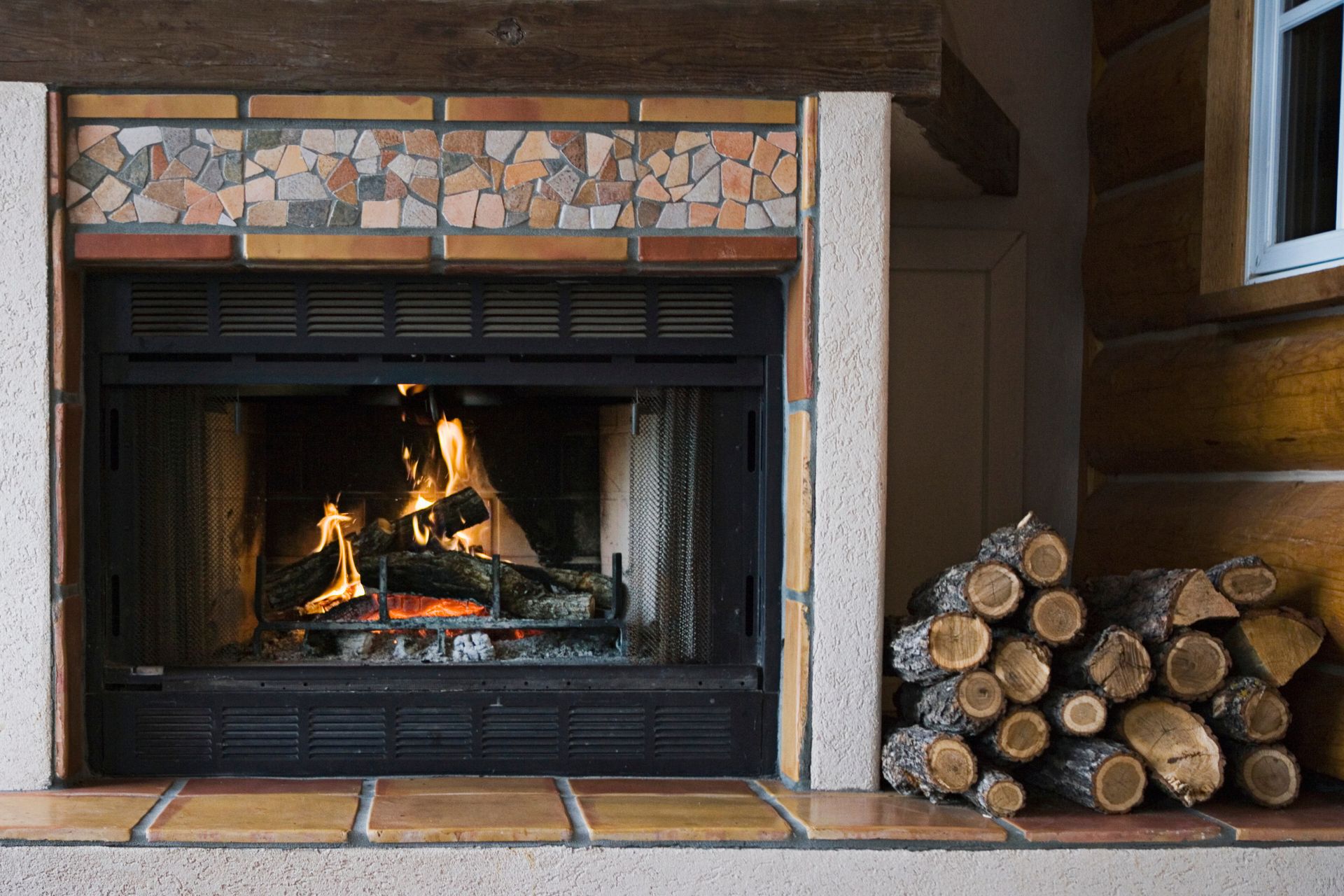
Checked on every repair visit
- Firebox brick, panels and mortar joints
- Damper plate, frame and linkage
- Hearth, surround and clearances
- Draft and flue condition above the fire
What wood-burning fireplace repair actually covers
A wood fire puts heat, smoke, acid and moisture through the same masonry every winter. Things loosen, crack and seize in a predictable order.
Inside the firebox, the firebrick and the thin refractory mortar joints between them take the direct heat. Joints open first, then brick faces spall and break away. Left alone, that exposes the brick and steel behind the firebox, which is not built to see flame. Prefab metal fireplaces have refractory panels instead of brick, and those crack across the back and floor.
Above the firebox sits the damper, the metal plate that closes the flue when the fireplace is cold. Rust, soot and a bent handle linkage are what usually stop one from moving. In front of the firebox is the hearth, the non-combustible floor that protects the structure underneath from heat and falling embers, along with the surround and any glass doors or screen.
The part homeowners least expect: a long list of fireplace complaints are not fireplace problems at all. Smoking, odor and poor burning often trace to the flue, a blockage, a creosote-narrowed passage or a damaged liner. We check both ends of the system on the same visit.
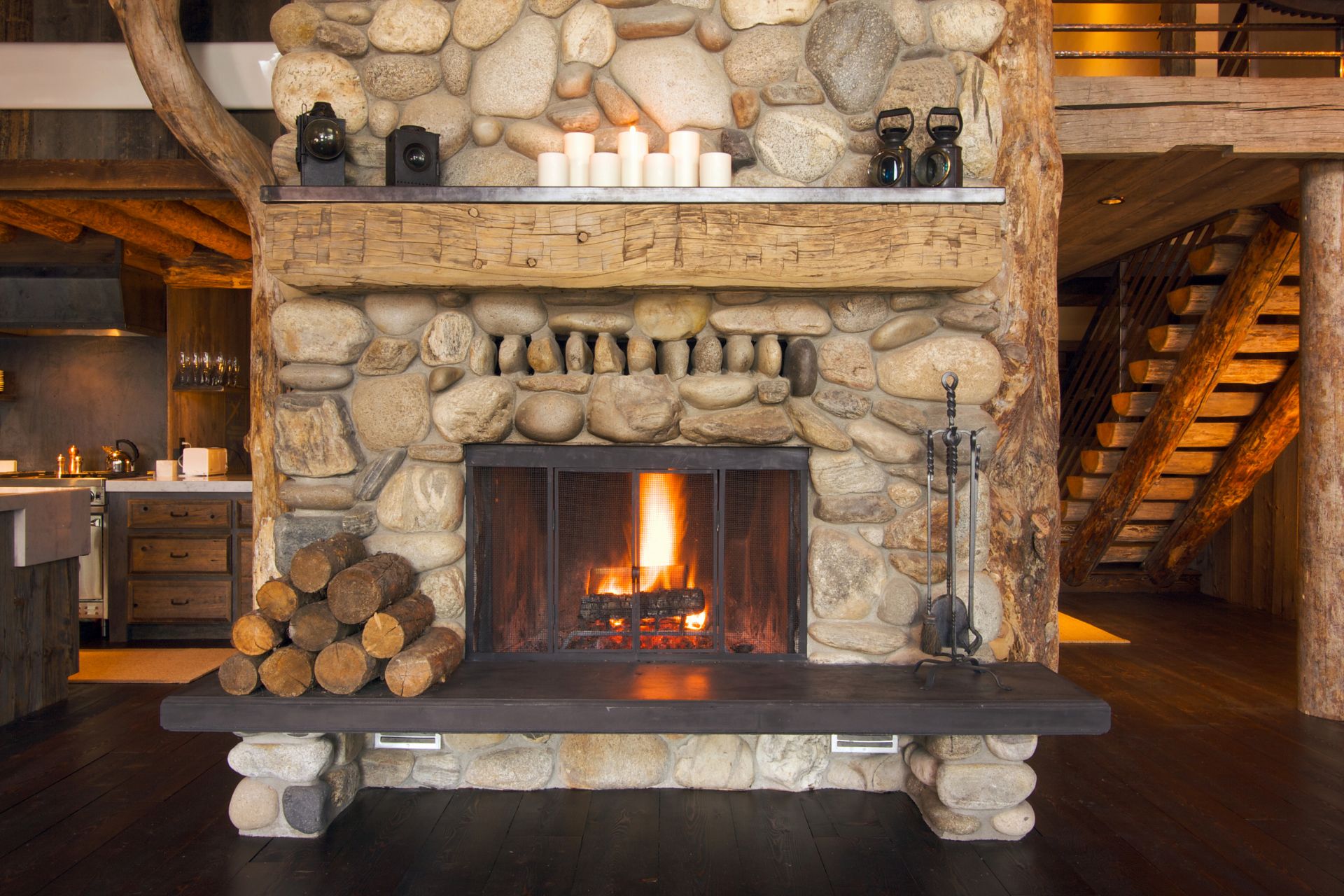
Lakewood fireplaces, Lakewood weather
AR Chimney Pros runs wood-burning fireplace calls across Lakewood and the wider Denver metro.
Front Range winters swing between warm sun and hard freezes, often in the same day. Water that soaks into masonry during a thaw expands when it refreezes overnight, and that cycle is what opens crown cracks, loosens crown and cap joints and pushes moisture down into the smoke chamber and firebox.
Damp masonry inside a firebox shows up as white staining, soft mortar and brick that crumbles under a thumbnail. Newer, tightly built homes add a second problem: with the house sealed up, there is not always enough replacement air for the fire to draw, so smoke takes the easy route back into the room.
Both patterns are common here, and both change how a repair should be done rather than just patched.
When the damper is not the problem
A smoking fireplace usually has more than one cause stacked on top of another.
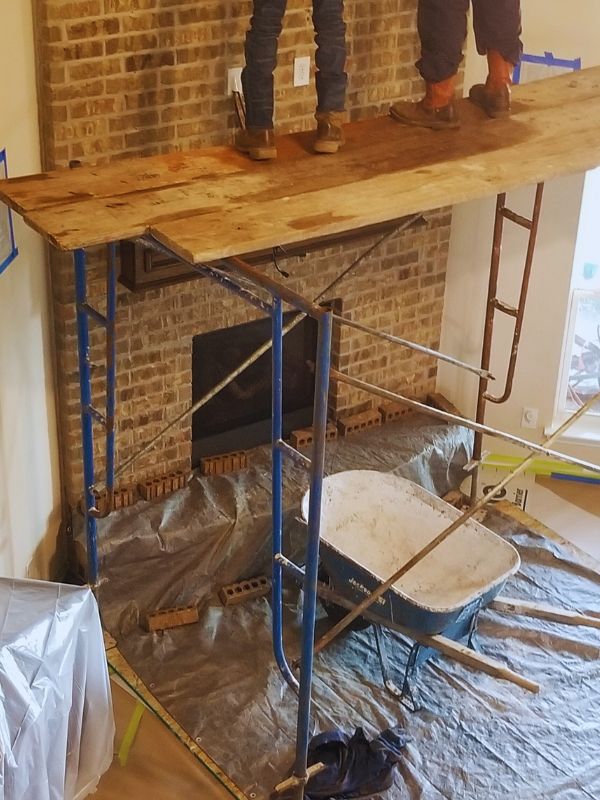
How a smoking fireplace call usually goes
The call almost always starts the same way: the fire smoked, the room filled, someone opened a window, and the family has not lit it since. Most people have already decided the damper is stuck.
Sometimes it is. A throat damper that has sat closed through a wet spring rusts at the hinge, and the handle moves while the plate barely lifts. You cannot tell from the living room floor, so we get a light and a mirror in there and watch the plate itself move through its full travel.
Just as often the damper opens fine and the flue is the restriction. Creosote glazing narrows the passage, a nest or leaf pack sits above the smoke shelf, or a liner joint has slipped and left a ledge for smoke to catch on. A camera run up the flue settles that in a few minutes.
Then there is the house. In a tight build with the furnace running and a kitchen fan on, the chimney can lose the pressure contest and pull air down instead of up. The fix there is not masonry, it is make-up air and sometimes a cap or height change at the top.
That is why the visit covers firebox, damper and flue together. Fixing one and leaving the other two means the room fills again on the next cold night.
AR Chimney Pros field technician, Lakewood service call
We diagnose the cause, not just the symptom
Homeowners describe what they see, smell or cannot move. Each symptom below points at a different part of the system, and every visit checks all of them no matter which one made you pick up the phone.
Smoke rolls into the room when you light a firePoints to: draft or blockage
The fire is making more smoke than the flue is carrying off. We confirm the damper is fully open, look for nests, soot buildup or a collapsed liner ledge in the flue, check the firebox opening against the flue size, and test how the house behaves with fans and furnace running.
How we check itThe damper will not open, will not close or rattles loosePoints to: damper
Rust, packed soot and a bent handle linkage seize most dampers. We watch the plate move, not just the handle, then free, clean and adjust it. A warped or cracked plate gets replaced, and on some older throats a top-sealing damper at the crown is the better answer.
How we check itCracked firebrick, open joints or crumbling mortar insidePoints to: firebox
Joints open before brick fails. We sound the walls, check how deep the cracking runs and whether the material behind the firebox is exposed. Open joints and surface cracks get repointed with refractory mortar; spalled or loose brick and cracked prefab panels get replaced.
How we check itCracked hearth tile, loose stone or a gapping surroundPoints to: hearth and surround
The hearth keeps heat and embers off the floor structure, so cracks and open joints at the firebox edge matter more than they look. We reset loose tile and stone, close joints and check that the hearth extension still covers the distance it should in front of and beside the opening.
How we check itGlass doors stick, sag or the screen is tornPoints to: doors and screens
Door frames loosen at their anchors, hinges drop, gaskets burn out and mesh screens tear or pull off their track. We tighten and realign the frame, replace gasket and hardware where parts are available, and tell you plainly when the assembly is past repair.
How we check itSmoky smell, slow burning or soot staining above the openingPoints to: liner
Staining above the lintel and a fire that never really catches often mean the flue is restricted or leaking. A camera run shows cracked tile, open joints and glazed creosote. Cleaning solves some of it; a damaged liner needs relining before the fireplace is used again.
How we check itHow the repair visit works
Three phases, in the same order, on every appointment.
-
Phase 1
Diagnosis
We start with what you told us on the phone, then check the rest.
Drop cloths down, firebox cleared enough to see the brick, damper worked through its travel by eye, smoke chamber and flue checked with light and camera, hearth and surround inspected for cracks and movement, doors and screen tested. Then we show you what we found and explain what is causing the symptom.
-
Phase 2
The repair
Smaller work is done the same visit when materials are on the truck.
Freeing and adjusting a damper, repointing firebox joints, resetting loose hearth tile, replacing door gasket and hardware and clearing a blocked flue are usually same-visit work. Firebox rebuilds, relining and masonry repairs are scheduled, with scope and cost agreed before anything starts.
-
Phase 3
Testing and cleanup
We confirm the fix before we pack up.
Damper opens and seals through full travel, draft pulls the right direction, doors close square, repaired masonry is cured or given a clear cure time before first fire. Work area vacuumed and cloths pulled. You get a plain explanation of what was done and anything still worth watching.
Areas we serve
AR Chimney Pros repairs wood-burning fireplaces across Lakewood, the Denver metro and the Front Range.
We work in Lakewood, Arvada, Denver, Westminster, Broomfield, Thornton, Littleton, Englewood, Aurora, Parker and Centennial, and travel north and south to Longmont, Loveland, Greeley and Colorado Springs. Not sure if your address is in range? Call and ask.
- Lakewood
- Arvada
- Denver
- Westminster
- Broomfield
- Thornton
- Littleton
- Englewood
- Aurora
- Parker
- Centennial
- Longmont
- Loveland
- Greeley
- Colorado Springs
Related services
A fireplace repair often pairs with work on the flue above it, or belongs on the gas side instead.
Frequently asked questions
Wood-burning fireplace questions we answer most often on the phone.
Why does my wood-burning fireplace smoke into the room?
Smoke rolling into the room means the fire is producing more exhaust than the flue is pulling away. Common causes are a damper that is not opening fully, a blocked or sooted flue, a firebox opening too large for the flue size, an obstruction at the chimney top, or negative pressure in the house pulling air back down. We check damper, firebox and flue in the same visit so the cause is identified rather than guessed at.
How much does wood-burning fireplace repair cost in Lakewood?
It depends on what is wrong. Freeing a damper, replacing a door gasket or repointing a few firebox joints are small jobs. Rebuilding firebox walls or relining a flue is a larger one. We diagnose first, explain what we found and what it takes to fix, then give you the number before any work starts. Call 720-608-7668 to book a visit.
Can a cracked firebox be repaired, or does it need rebuilding?
Both happen. Hairline cracks and open mortar joints between firebrick are usually repaired in place with refractory mortar. When brick is spalling, loose or burned back far enough that the material behind the firebox is exposed, those walls need rebuilding. We tell you which one you have and show you the area we are describing. See firebox repair for more.
My damper will not open or will not close. Repair or replacement?
Many dampers are seized by rust, soot and a bent handle linkage and can be freed, cleaned and adjusted on the spot. Plates that are warped, cracked or missing need replacing, and on some older throat dampers a top-sealing damper at the crown is the better fix. Details on our damper repair page.
Can a cracked hearth or loose surround wait until next season?
The hearth protects the floor structure under and in front of the fireplace from heat and falling embers, so loose tile, open joints or a gap at the firebox edge should be closed before the next fire. Cosmetic chips on a surround are less urgent. We will tell you which category yours falls into instead of lumping them together.
Do you work on the chimney too, or only the fireplace?
Both. Plenty of fireplace complaints turn out to be chimney problems: creosote narrowing the flue, a cracked liner, a missing cap letting rain and animals in, or water tracking down through the crown. Because we also handle cleaning, relining, caps, crowns and leak repair, the whole system gets looked at on one visit rather than handed off.
More questions about your system? Read the full FAQ.
Get the fireplace usable again before the next cold night
Tell us what it is doing, smoking, sticking, cracking or leaking, and we will come find out why.
Call AR Chimney Pros at 720-608-7668 or email info@archimneypros.com to book a wood-burning fireplace repair visit in Lakewood or anywhere across the Denver metro. We are open Sunday through Friday, 8am to 5pm.