
A Gas Fireplace That Won't Light in October Has Probably Been Failing Since Spring
Tightly sealed Colorado homes raise carbon monoxide risk from a gas appliance that isn't venting right. Inspection before heating season catches it.
Gas fireplace inspection and repair in Lakewood, with every component tested before we close out the job.
Dispatching from 12640 W Cedar Dr, Unit 7, Lakewood.
Tested every appointment
- Burner, pilot and thermocouple
- Millivolt output measured, not guessed
- Vent path and termination seal
- Full lit cycle before we sign off
A full component test, not a visual glance
A gas fireplace inspection is a dedicated appointment, not a visual check tacked onto a cleaning visit.
At AR Chimney Pros, a gas fireplace inspection means testing every system component for function before we close out the job. The thermocouple, a temperature sensing safety device that holds the gas valve open while the pilot flame is lit, is one of the most common failure points. When it degrades, the pilot goes out the moment you release the lighter.
The gas valve can fail through corrosion or internal debris. The burner orifice, a small precision opening that controls gas flow into the burner assembly, is especially prone to spider web and dust blockage during Colorado's dry, high dust off season.
Here is what most homeowners don't realize: a unit that worked fine last February may have been degrading all spring and summer while sitting idle. By October you flip the switch and nothing happens, but the failure started months earlier.
We know the building stock west of C-470
AR Chimney Pros runs gas fireplace calls throughout Lakewood and the surrounding Denver Metro.
We regularly service units in the Green Mountain, Applewood and Solterra neighborhoods. These are mostly mid 2000s to early 2010s builds, tight construction with modern vapor barriers and well sealed window and door assemblies.
That construction profile matters for gas appliances. A tightly sealed home can develop negative interior pressure that interferes with vent path performance. A vent seal integrity issue, meaning degraded gaskets or loose connections in the vent run, can let combustion gases migrate into wall cavities instead of exhausting cleanly outside.
We know the building types in this part of Lakewood. That context shapes how we approach every inspection.
A unit that had not been lit since 2022
What extended non-use does to a gas fireplace system in a modern Lakewood home.
From a Lakewood service call
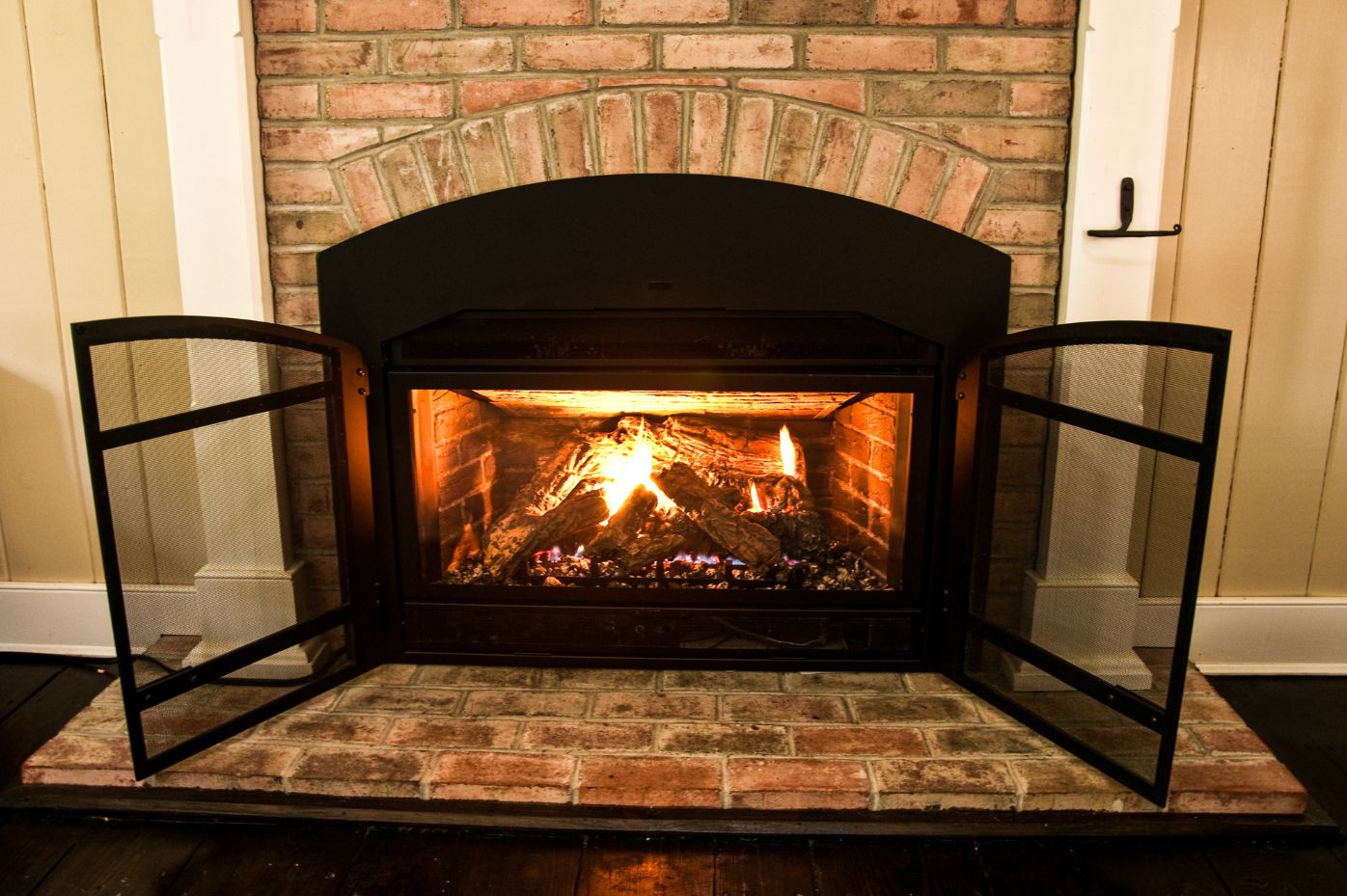
I pulled the log set out of a unit in Solterra last fall. The homeowner said it just stopped lighting, no drama, no smell, just nothing. She assumed it was an igniter battery. It wasn't.
The burner orifice was completely webbed over. Not unusual for a unit that had been dark for two heating seasons here, spider activity in the gas feed path is genuinely common in homes with attached garages and tight seals that push insects toward interior warmth. One pass with the probe cleared it, but that wasn't the end of the job.
The thermocouple read within range on the multimeter, but the millivolt system, a self contained ignition system that generates its own low voltage current from the pilot flame, was producing output at the low end of spec. Not failed. Not fully functional either. In a tightly sealed home, that marginal output is a real risk.
The vent seal integrity at the termination cap had also degraded. The gasket had dried and partly separated. That unit was not venting cleanly. Carbon monoxide backdraft, a condition where incomplete combustion gases get pushed back into the living space by a blocked vent or negative pressure, was a genuine possibility if the fireplace had run that winter without inspection.
We replaced the thermocouple, cleared the orifice and resealed the vent termination. The unit lit clean and held flame on the first test.
AR Chimney Pros field technician, Lakewood service call
We diagnose the cause, not just the symptom
Homeowners describe what they see or smell. Each symptom below points to a different part of the system, and every appointment tests all of them regardless of which one brought you to the phone.
Pilot goes out the second you release the lighterPoints to: thermocouple
The thermocouple holds the gas valve open while the pilot is lit. Once it degrades, the valve closes the instant you let go. We test output with a multimeter rather than guessing from how the flame looks.
See how we test itUnit won't ignite at all, pilot includedPoints to: gas valve
No ignition at all usually means the valve itself, or the millivolt circuit that signals it to open, isn't delivering current. We function test the valve and measure millivolt output against spec before replacing anything.
See how we test itFlame looks weak, yellow or lopsidedPoints to: burner orifice
An uneven or yellow flame is usually a partially blocked orifice, often spider webbing or dust built up over an idle season. We remove the log set, clear the orifice, and confirm flow before closing up.
See how we test itFaint gas smell near the fireboxPoints to: smoke chamber seal
A smell near the unit is a vent seal integrity concern until confirmed otherwise. We check the smoke chamber connection points for degraded gaskets before touching anything downstream.
See how we test itSmoke or odor rolls back into the roomPoints to: damper
A damper that isn't opening fully, or a draft fighting negative pressure in a tightly sealed home, pushes combustion byproducts back toward the room instead of up the flue. We confirm vent draw as part of every appointment.
See how we test itVisible soot or staining at the firebox floorPoints to: cleanout
Debris or moisture collecting at the base of the system points to the cleanout and the firebox floor below it. We inspect this last, after confirming the ignition and gas path above it are sound.
See how we test itOur gas fireplace inspection and repair process
Three phases, in the same order, on every appointment.
-
Phase 1
Diagnostics
We start with the pilot and ignition system.
The thermocouple is tested with a multimeter before anything else is disassembled, and millivolt output is logged. We then remove the log set to access the burner orifice and inspect the gas valve assembly. When a faint gas smell was reported, vent seal integrity is prioritized before we proceed.
-
Phase 2
Implementation
Repairs are completed the same visit when parts allow.
Thermocouple replacement, orifice clearing, vent gasket resealing and millivolt system calibration are all same-visit services. When the gas valve requires replacement, we communicate lead time clearly before closing out.
-
Phase 3
Post-service testing
The unit is lit and run through a full cycle before we leave.
We confirm pilot stability, burner flame pattern, vent draw and glass seal function under operating temperature. Anything outside acceptable range is addressed before sign off, not on a callback.
Areas we serve
AR Chimney Pros serves gas fireplace customers across Lakewood and the greater Denver Metro.
We cover Lakewood, Denver, Wheat Ridge, Arvada, Englewood, Littleton, Edgewater, Morrison, Golden, Westminster, Aurora, Thornton, Highlands Ranch, Centennial, Broomfield and Boulder. Outlying communities including Evergreen, Conifer, Castle Rock and Lone Tree are also within our service area.
- Lakewood
- Denver
- Wheat Ridge
- Arvada
- Englewood
- Littleton
- Edgewater
- Morrison
- Golden
- Westminster
- Aurora
- Thornton
- Highlands Ranch
- Centennial
- Broomfield
- Boulder
Related inspections
A gas fireplace rarely sits alone. These cover the wood-burning and whole-system side.
Frequently asked questions
Gas fireplace questions we answer most often on the phone.
How much does a gas fireplace inspection cost in Lakewood?
AR Chimney Pros covers the full system, burner, thermocouple, vent seal, millivolt output and glass seal, in a single dedicated appointment. Cost depends on what's found and whether parts are needed. Call 720-608-7668 for pricing before the heating season books out.
My gas fireplace lights fine, why would I still need an inspection?
Ignition and safe venting are two separate functions. A unit can light and still vent incompletely because of degraded vent seal gaskets or negative pressure in a tightly sealed home. Carbon monoxide backdraft is a specific risk in modern Colorado builds, and it doesn't announce itself with a visible flame problem. Function testing confirms the full system, not just the pilot.
How long does a gas fireplace inspection take?
Most appointments run 60 to 90 minutes. Thermocouple testing, orifice clearing, millivolt output measurement and vent seal inspection each take dedicated time. Same-visit repairs, including thermocouple replacement, orifice clearing and gasket resealing, are completed before we leave when parts are on hand. A gas valve replacement that needs an ordered part is communicated clearly before we close out.
What's the difference between this and what an HVAC tech does?
Our inspection focuses specifically on the fireplace system: burner assembly, pilot circuit, millivolt output, vent path and glass seal integrity. Each component is tested for function, not just checked by eye. The vent termination cap and seal condition are included, which affects backdraft risk in sealed Colorado homes.
Can a spider web actually stop my gas fireplace from working?
Yes. A webbed burner orifice is one of the most common reasons a gas fireplace fails after sitting unused through spring and summer. The orifice is a small precision opening, so even partial blockage disrupts gas flow to the burner. Colorado's dry, high dust environment makes this especially common. Clearing it during inspection restores flow without any part replacement needed.
Do you repair it the same visit, or is that a separate appointment?
Repairs are completed the same day when parts allow. Thermocouple replacement, orifice clearing, vent gasket resealing and millivolt system adjustments are all handled during the inspection appointment, and common components are carried on the truck. If the gas valve needs replacing, we confirm lead time and a follow-up schedule before leaving.
More questions about your system? Read the full FAQ.
Book your gas fireplace inspection before the cold hits
Get a full system test while scheduling is still open, ahead of the first cold night of the year.
Call AR Chimney Pros at 720-608-7668 or email info@archimneypros.com to schedule a dedicated gas fireplace appointment in Lakewood or anywhere across the Denver Metro. Our team tests, diagnoses and repairs your system completely.