
Flashing, Crown, Mortar, and Liner Repairs Matched to Confirmed Entry Points
No patch-all quotes. Each repair scope is built from the diagnostic findings.
Chimney leak repair in Lakewood, CO, that starts by finding the exact entry point, then fixes that component, nothing more.
Dispatching from 12640 W Cedar Dr, Unit 7, Lakewood.
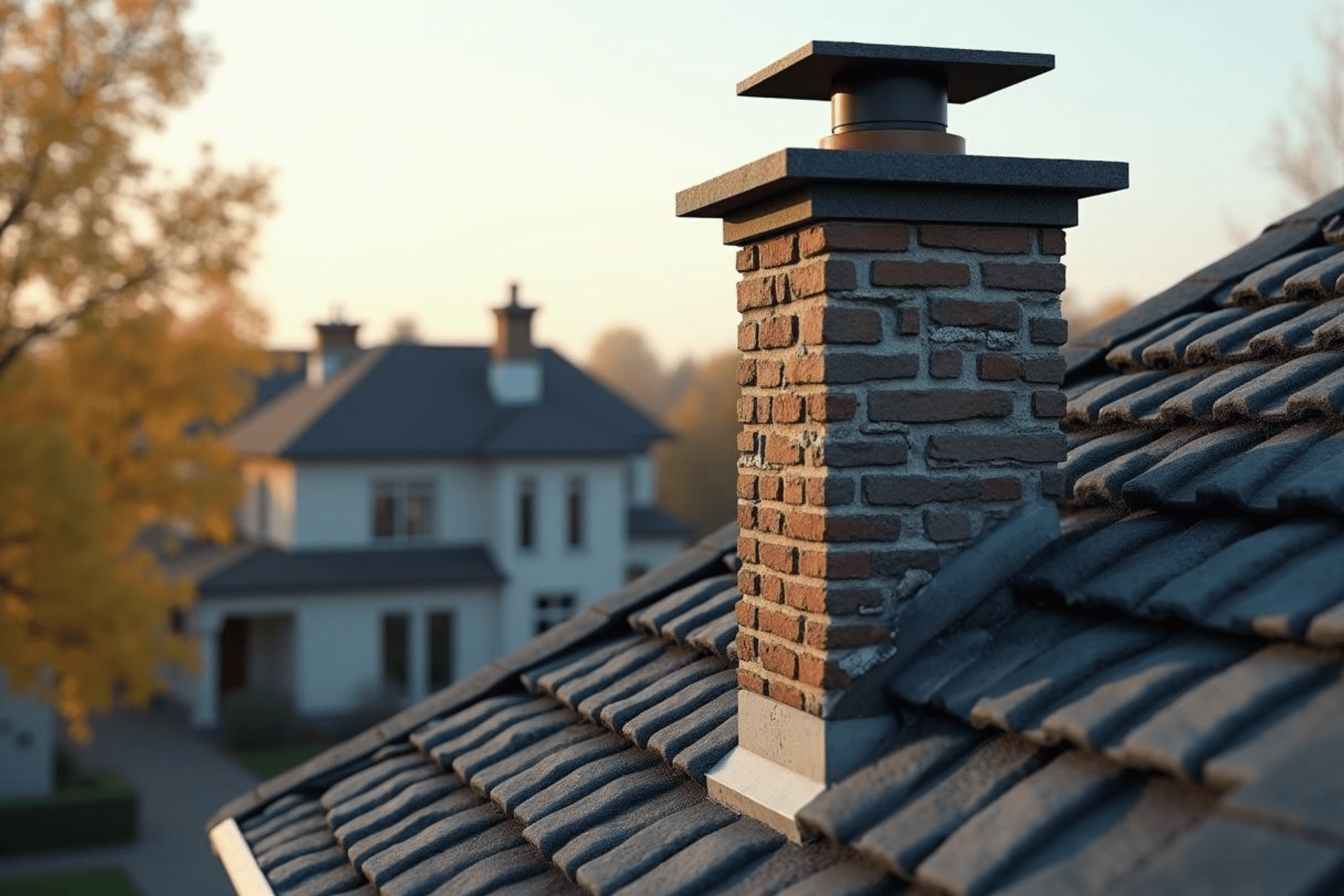
Where leaks usually start
- Step and counter flashing
- Cracked or eroded crown
- Open mortar joints
- Cracked flue liner
What chimney leak repair in Lakewood actually covers
Six symptoms, four possible sources. Open any symptom to see which part of the chimney we check first and what the fix involves.
Hairline cracks across the concrete capCrown
A cracked or eroded crown lets water sit directly on top of the flue and soak into the masonry below. We check for through cracks versus surface crazing, then fill and reseal or fully restore the surface.
See crown repairWater stain on the ceiling near the fireplaceFlashing
This is the most common entry point. Step and counter flashing separate from years of expansion and contraction, letting water run under the shingles and down into the framing. We reset and reseal at the separation points.
See flashing repairWhite mineral bloom on the exterior brickMortar joints
Efflorescence is salt left behind as water moves through open mortar joints and evaporates. It signals moisture is migrating through the masonry itself. We regrout affected joints to full depth with mortar matched to the brick.
See mortar repointingMusty odor from the firebox after rainFlue liner
A fractured flue liner lets water track down the inside of the chimney and migrate into the surrounding masonry, which can smell damp long before any visible stain appears. We patch with UL-listed material rated for the flue type.
See liner patchingDark staining partway down the firebox wallSmoke chamber
Water reaching the smoke chamber usually means it has already passed a failed liner or open joint higher up. We trace the path up the flue to confirm the actual source before sealing the chamber itself.
See full diagnosticWater pooling at the base after heavy rainFirebox
Standing water in the firebox means the entry point is high enough up the flue to run all the way down. It is almost always the last sign to appear, not the first. We check the full stack from cap to firebox before scoping a repair.
See full diagnostic
Why Lakewood's climate makes leaks compound quickly
Colorado's freeze and thaw cycle turns a small chimney crack into a major water intrusion problem within a single off-season.
Here is what most homeowners in Lakewood don't realize about chimney moisture repair. Water that enters through a hairline crack in fall doesn't stay put. It works into the chimney masonry, the brick, stone or block structure forming your chimney, and when temperatures drop below freezing, that water expands. The crack widens. Come spring, more water enters through the larger opening.
By the time a ceiling stain appears, this cycle has often run for more than one heating season. Lakewood and the surrounding western suburbs sit at about 5,500 feet elevation. That altitude means colder overnight lows and faster freeze and thaw cycling than metro-level Denver neighborhoods farther east. A chimney that looked fine last spring may have quietly lost another eighth of an inch of mortar joint depth over winter.
That's why the timing of chimney leak repair in Colorado matters as much as the repair itself.
How we confirmed a flashing failure that diagnostics missed
The most common misread in chimney water damage repair is assuming the crown is the source when the flashing is the culprit.
A homeowner in Sheridan had a water stain above a second floor fireplace for two seasons. The crown had been patched twice and said to hold. It wasn't the crown.
From our field team
- Chimney
- Brick colonial, double flue, two heating seasons of staining above the second floor fireplace.
- Ruled out
- Crown showed surface crazing but no through cracks. Not the source.
- Finding
- Step flashing had separated at three courses on the west-facing wall. Counter flashing had lifted at one corner, held only by caulk that had dried and shrunk away from the masonry. Water was running under the step flashing, along the underlayment, and through a low point in the framing above the ceiling.
- Fix
- Step flashing reset and resoldered at the separation points, counter flashing reset, masonry-compatible sealant applied at the reglet. The crown only needed a light surface reseal.
That's the method we use every time: find the actual breach first, then fix what's broken.
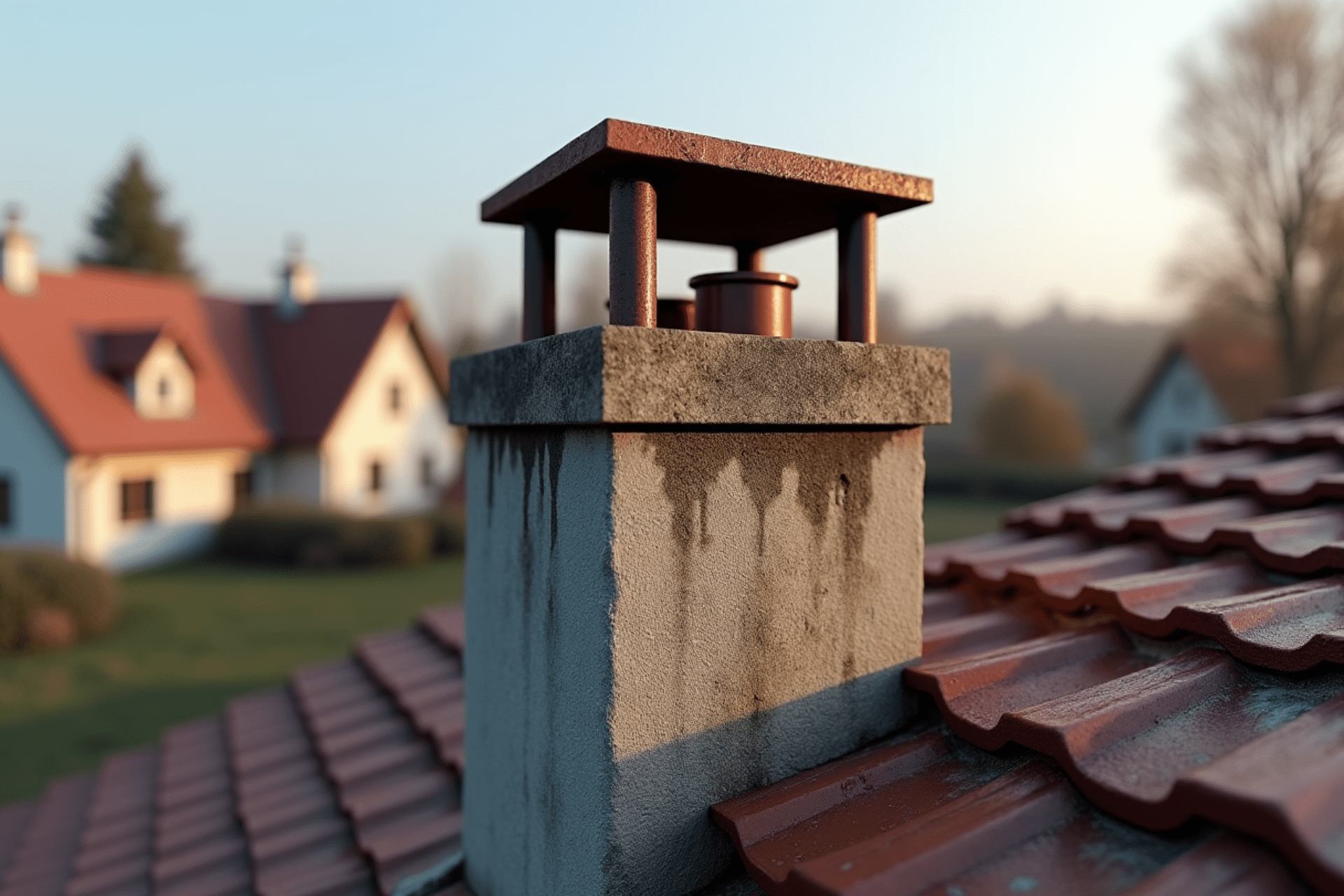
You don't have to replace what's still working
When a chimney component is structurally sound, we repair it, not replace it.
Chimney water intrusion repair in Lakewood can sometimes be oversold.
A sound liner, a solid crown, or properly lapped flashing that just needs resealing doesn't need to be torn out and rebuilt.
Here is how we handle scope at AR Chimney Pros. After diagnostics, we separate every confirmed entry point into its own repair category. Flashing repairs are quoted separately from crown restoration. Mortar joint repointing, the process of grinding out and repacking deteriorated mortar, is scoped on its own if that's the source. A liner crack, a fracture in the flue liner that lets water migrate into surrounding masonry, is addressed as its own item.
Nothing gets bundled in just to increase the ticket. If the liner is intact, it stays intact.
Our standards for chimney moisture repair
Every chimney flashing leak repair and crown restoration we complete meets these standards.
- Flashing matched to the climateRepairs use masonry-compatible metal and sealant rated for Colorado's temperature range.
- Crown restoration done rightSurface prep, crack filling, and a penetrating crown sealer, not just caulk over the damage.
- Mortar matched to the brickMortar joint repointing uses mortar matched to the original mix hardness. Harder mortar in a soft brick chimney causes new cracks.
- Liner patching that fits the flueUL-listed repair materials appropriate for the flue type.
- Documented before and afterEvery repair is documented with before and after photos provided directly to the homeowner.
- Scope matched to what's actually failingA targeted fix for one isolated entry point when all other components are confirmed sound, or a full remediation scope when multiple failure points are found.
How we execute chimney leak repair
Three stages, in the same order, on every leak repair we run.
-
1
Starting with a full roof-to-firebox diagnostic
We start on the roof and work down. Flashing is checked at all transition points: base flashing, step flashing, and counter flashing. The chimney crown is inspected for through cracks and surface erosion. Mortar joints are assessed by course for soft spots and voids. If the interior firebox shows staining or odor, we look for liner cracks and smoke chamber mortar failure. Every entry point gets logged before any repair discussion begins.
-
2
Sequencing repairs to prevent rework
Repairs are completed in a logical sequence, roof-level repairs first, masonry work second, interior sealing last. This prevents rework. Flashing is reset and soldered or sealed, not just caulked over. Crown restoration includes grinding loose material before applying resurfacer. Mortar repointing is done to full joint depth. Liner patching is completed with proper cure time before the flue is returned to service.
-
3
Verifying the seal before we leave
After repairs, we perform a water test at the confirmed entry points to verify seal integrity before leaving the property. You receive a written summary of what was repaired, what was tested, and the condition of components that were inspected but not repaired. That document helps you track chimney health over future seasons without guessing.
Related repair services
If the diagnostic turns up damage beyond a single entry point, these are the next steps.
Areas we serve
AR Chimney Pros dispatches directly from our office on West Cedar Drive in Lakewood. No central Denver routing.
We serve Lakewood, Denver, Englewood, Sheridan, Wheat Ridge, Arvada, Morrison, Golden, Edgewater, Littleton, Highlands Ranch, Centennial, and communities across the Greater Denver Metro Area. Crews reach western suburbs faster because we're already here.
- Lakewood
- Denver
- Englewood
- Sheridan
- Wheat Ridge
- Arvada
- Morrison
- Golden
- Edgewater
- Littleton
- Highlands Ranch
- Centennial
Frequently asked questions
Leak repair questions we answer most often on the phone.
How much does chimney leak repair cost in Lakewood, CO?
Chimney leak repair cost depends on which component failed. Flashing reseals run less than full crown restorations. Mortar repointing is scoped by the number of courses needing work. At AR Chimney Pros, each entry point gets its own repair line, you pay for what's actually broken. A diagnostic visit confirms the scope before any repair pricing is given.
How long does a chimney leak repair take from diagnostic to finished work?
Most single entry point repairs, flashing reset, crown reseal, or mortar repointing, are completed in one visit after the diagnostic. Multi point repairs with both roof-level and masonry work may require two visits. Liner patching needs cure time before the flue returns to service. Your technician will give you a realistic timeline on-site, not an estimate made before seeing the chimney.
Can you repair just the flashing without replacing the whole chimney crown?
Yes. Each component is scoped and priced separately. If the crown is structurally sound, it stays. Flashing repair is its own scope: step flashing, counter flashing, and sealant at the reglet are addressed without touching unrelated components. Replacing a functional crown adds cost and does nothing to stop a flashing-sourced leak.
What's the difference between a patch repair and a full remediation scope?
Partial repair targets one confirmed entry point when all other components are inspected and found sound. Full remediation addresses every active water entry point found during the diagnostic. Both are valid, the right choice depends on what the inspection reveals. AR Chimney Pros never upgrades a partial repair to full remediation unless multiple failure points are confirmed.
Will the repaired areas hold through a Colorado winter?
Repairs use masonry-compatible materials rated for Colorado's temperature range. Crown restoration includes surface prep and a penetrating sealer, not caulk applied over damage. Mortar repointing uses mix hardness matched to the original brick. Each repair is water-tested before the crew leaves. Call 720-608-7668 if you want to go over the specific materials for your chimney.
How do I know the leak is fully fixed before the next rain hits?
Every confirmed entry point is water-tested on-site before the job closes. You receive a written summary listing what was repaired, what was tested, and the condition of inspected components that needed no work. That document lets you track chimney health across future seasons without guessing what was done or when.
More questions about your chimney? Read the full FAQ.
Ready to fix the leak at its source?
Chimney leak repair in Lakewood starts with a diagnostic, not a quote for parts you may not need.
Call AR Chimney Pros at 720-608-7668 or send a message to info@archimneypros.com. Tell us where you're seeing moisture and we'll schedule a roof-to-firebox assessment at your home.