
Furnace and Water Heater Flue Cleaning in Lakewood, CO
Appliance flue cleaning booked as its own appointment, not an add-on to a fireplace visit.
We confirm your appliance type, flue configuration and venting path before we choose a brush diameter, so the right equipment shows up the first time.
Dispatching from 12640 W Cedar Dr, Unit 7, Lakewood.
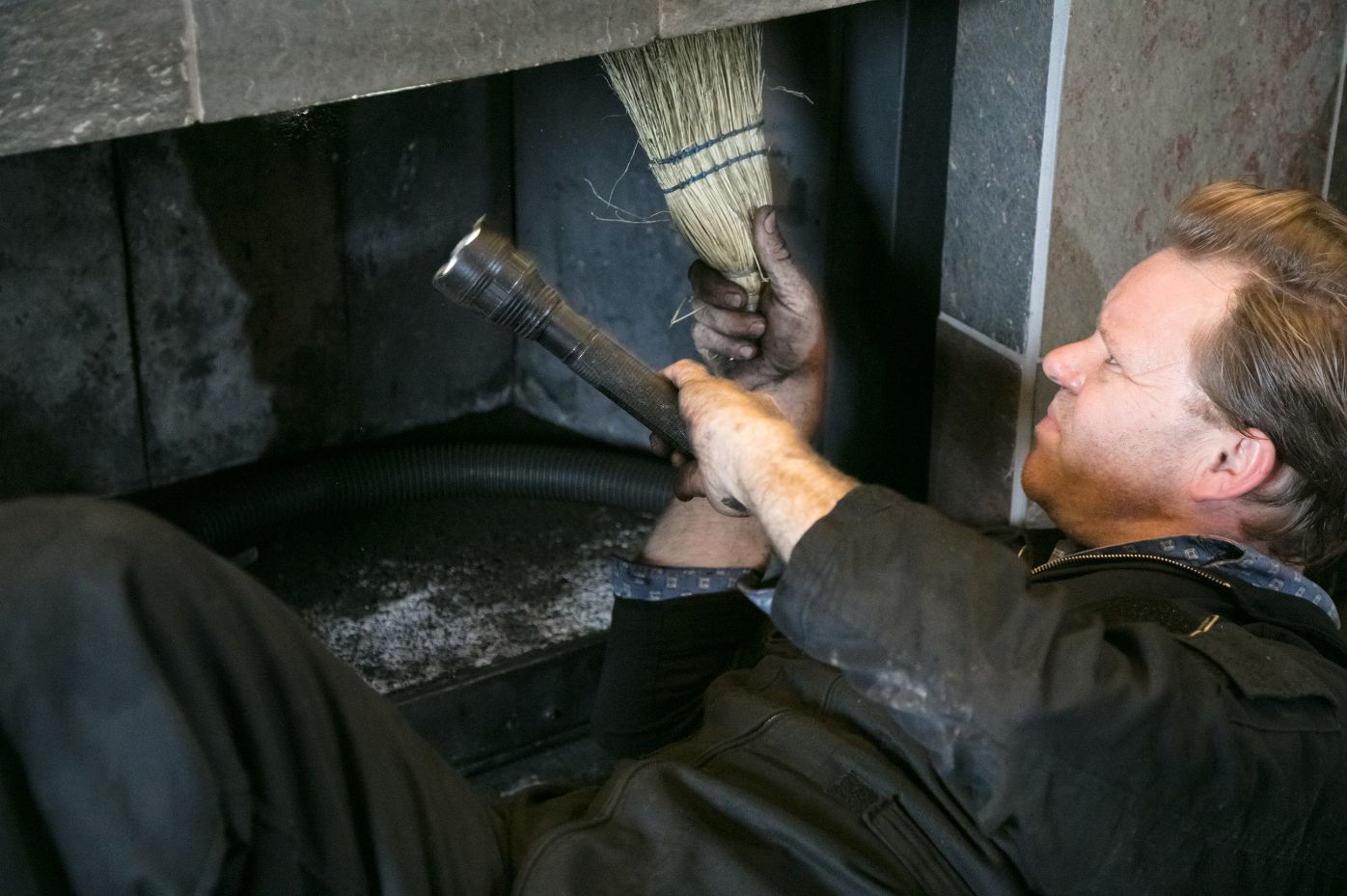
Included every visit
- Appliance type and flue path confirmed first
- Full-length rod, collar to termination
- Termination cap cleared of nesting or debris
- Carbon monoxide check at the appliance
Your home has two flues. One gets cleaned.
The fireplace flue is visible from the living room, so you notice when it needs attention. The appliance flue runs through a wall or chase you never see, and most Lakewood homes have never had it serviced.
What homeowners notice first
Water stain spreading on the ceilingPoints to: flashing
Flashing seals the joint where the chimney meets the roofline. When it lifts or corrodes, water tracks down the chase and shows up as a ceiling stain nowhere near the firebox.
Furnace cycles off and won't restartPoints to: flue liner
A restricted liner triggers a safety lockout before it ever triggers an alarm. This is the symptom this flue cleaning service exists to resolve.
See flue cleaningSmoke rolls back into the roomPoints to: smoke chamber
The smoke chamber funnels combustion gases from the firebox into the flue. Creosote buildup here narrows the throat and pushes smoke back toward the room.
See creosote removalDamper won't seal fullyPoints to: damper
Debris or corrosion at the damper plate stops it from closing flush, which lets conditioned air escape up the flue year-round.
Musty smell from the fireplace in summerPoints to: firebox
Creosote in the firebox and lower flue off-gasses in humid weather. A standing odor with no fire lit usually traces back here.
See fireplace cleaningAsh and debris at the base after a stormPoints to: cleanout
A full cleanout means nesting material and debris from higher in the flue has nowhere left to settle. It's often the first visible sign of a blockage above.
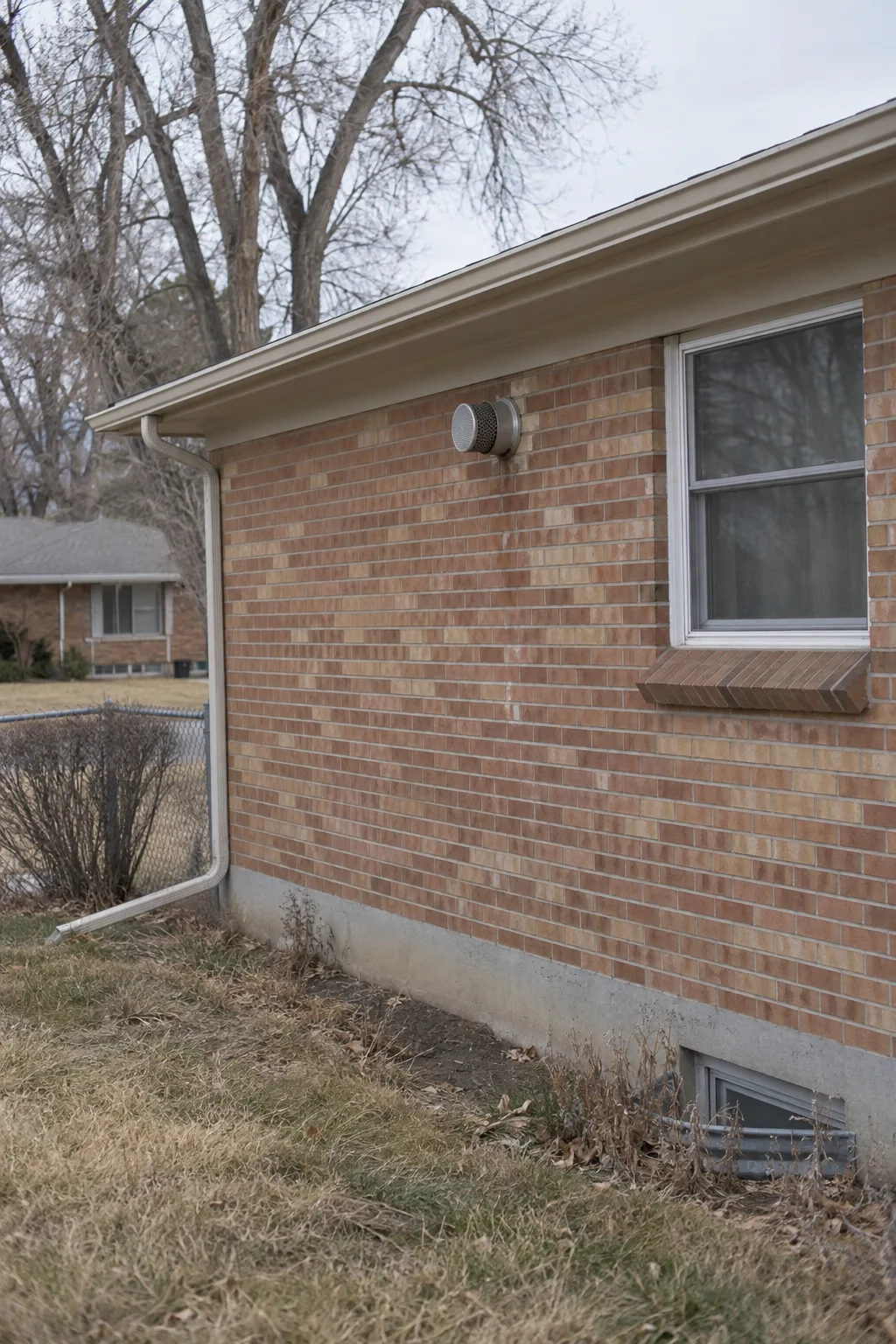
Highway 285 ranch homes carry a specific flue risk
The Jefferson County corridor is dense with 1960s and 1970s ranch homes that have never had their appliance flue serviced.
AR Chimney Pros runs appointments through the Highway 285 corridor regularly: Lakewood, Edgewater, Sheridan and into Englewood. These neighborhoods are full of single-story homes built when combined furnace and water heater flues were standard practice.
A shared flue, a single venting channel used by two appliances at once, was common in pre-1990 Denver Metro construction. That configuration has specific sizing and maintenance requirements. When two appliances push combustion byproducts through one channel that hasn't been serviced in decades, restriction builds gradually. Lint drift from nearby laundry runs, calcium deposits from the water heater, and wasp nesting at the termination cap all contribute.
Our team knows how these homes were built, where the flues run and where they terminate. That matters before we ever pick up a brush.
What a backed-up flue actually looks like in the field
A safety lockout is often the first sign a homeowner has a shared flue at all.
From the Lakewood crew
One of our technicians ran a call near Bear Creek last winter. The homeowner's furnace kept cycling off. An HVAC tech had already been out and cleared the furnace itself, no mechanical fault found.
On site, we asked about the flue configuration. The homeowner didn't know they had a shared flue. The furnace and water heater were both venting through one liner into a single exterior termination, a setup typical for homes built in that neighborhood's era.
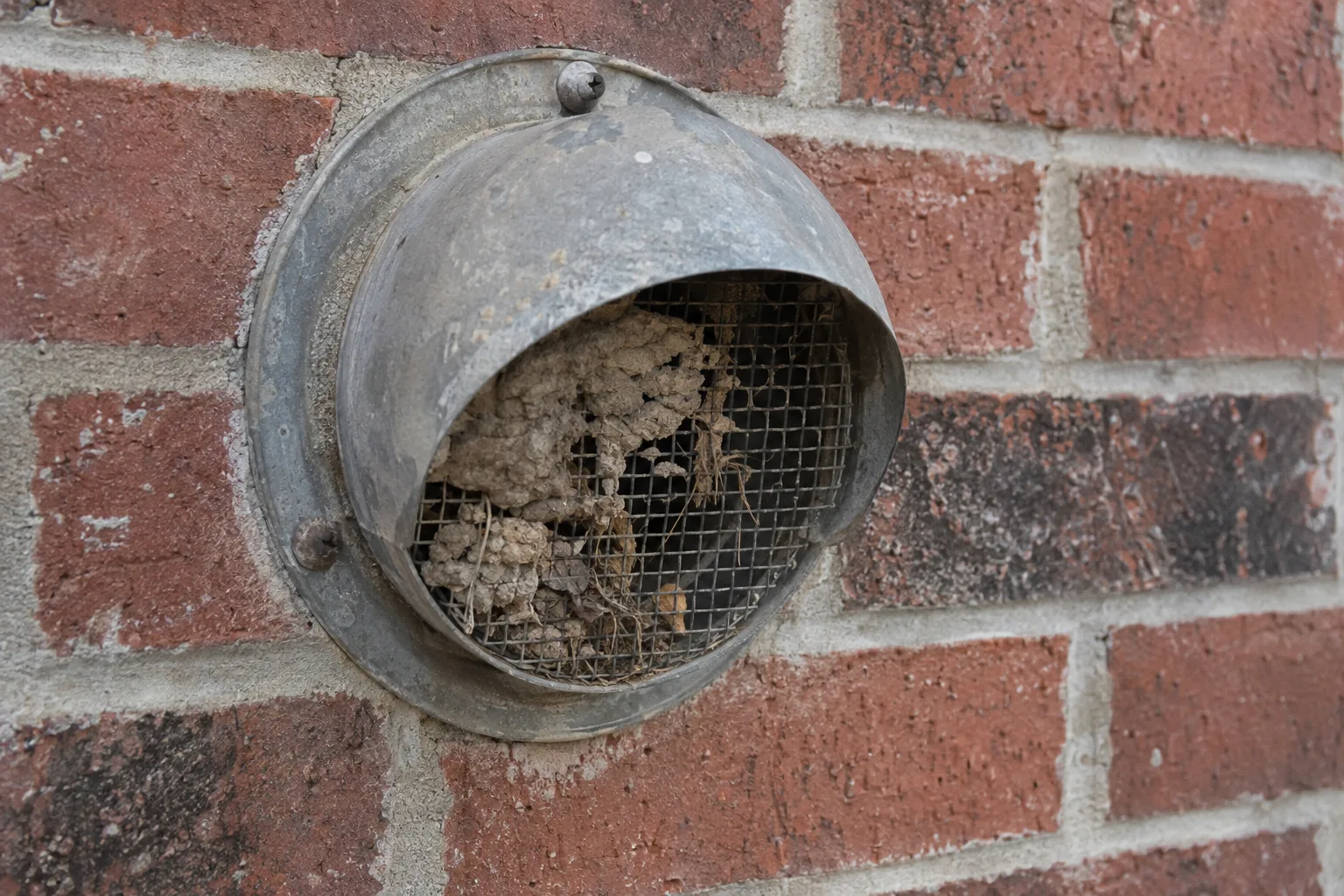
We walked the flue path from the appliance collar up to the termination cap on the exterior wall. The cap was nearly sealed with a mud dauber nest and years of accumulated debris. The furnace was triggering a safety lockout, an automatic shutdown that fires when venting conditions fall outside safe parameters, because combustion byproducts had nowhere to go.
Three things happened on that visit: the cap was cleared, the flue was rodded and brushed from collar to termination, and a carbon monoxide safety check was run at the appliance. The furnace ran clean, and the whole visit took under two hours.
AR Chimney Pros field technician, Lakewood dispatch
Confirming your flue type saves time on site
We ask about your appliance setup before we schedule, so the right equipment arrives on the first visit.
Furnace flue cleaning in Denver and Lakewood isn't one size fits all.
A high-efficiency condensing furnace doesn't use a traditional metal flue: it uses PVC and has different maintenance requirements. A mid-efficiency furnace uses a Type B metal flue. An older atmospheric furnace often shares that flue with a water heater.
Each configuration takes a different brush diameter and a different approach to the termination point. If we arrive with the wrong gear, the job doesn't get done right. So when you call or submit a form, we ask what type of appliance you have, whether it's a single or shared flue, and when it was last serviced.
That conversation takes two minutes, and it means you're not waiting for a second trip.
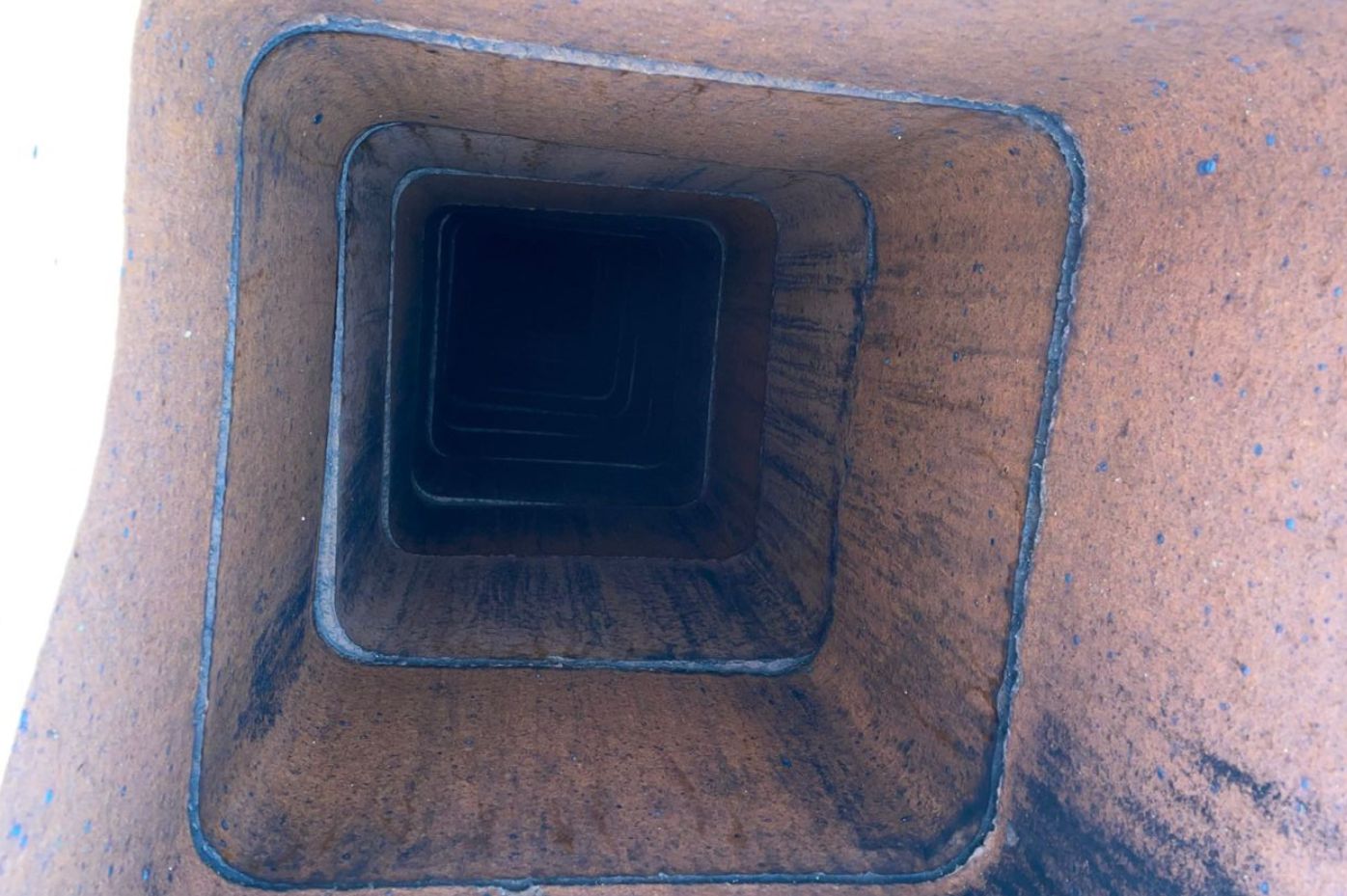
Our standards for appliance flue service
Every flue cleaning appointment follows a consistent standard, from the appliance collar to the exterior termination, with nothing skipped.
- Appliance type confirmed and flue mapped firstWe confirm configuration before any work begins.
- Correct brush diameter, not an estimateSelected based on your flue liner size.
- Full-length rod runFrom the appliance collar to the flue termination cap.
- Termination cap inspected and clearedOf blockage, nesting or debris.
- Combustion byproduct pathway confirmed clearChecked before the technician leaves.
- Carbon monoxide checked at the applianceCarbon monoxide is the odorless, colorless gas produced by incomplete combustion. We test for it post-service.
- Written summary after every appointmentFindings documented, not just described verbally.
How a flue cleaning appointment works
From the first diagnostic question to the post-service safety check, here is exactly what happens.
-
1
Identifying appliance type and flue path
We confirm the configuration before anything else.
Is it a dedicated appliance flue or a shared flue serving multiple units? Where does it terminate? What's the liner material, metal, clay or flexible stainless? This step determines every tool and technique used in the service.
We also ask about symptoms. A safety lockout, reduced heat output or a persistent combustion smell indoors are useful data points. They tell us whether we're dealing with a partial restriction or a complete blockage at the termination cap.
-
2
Brushing and rodding the full flue length
The rod runs from collar to termination, with no stopping halfway.
Once the flue path is confirmed, we select the correct brush diameter and rod length. The rod runs from the appliance collar, the point where the exhaust connects to the flue, all the way to the termination.
For shared flue situations common in Lakewood's older ranch homes, we verify that both appliances can vent simultaneously through the existing flue dimensions, per NFPA 54, the National Fuel Gas Code that sets venting requirements for gas appliances including minimum flue dimensions and maintenance intervals.
-
3
Carbon monoxide check and walkthrough
We confirm the appliance vents cleanly before we leave.
After the flue is cleared, we run a functional check at the appliance. Combustion gases should exit cleanly with no backdraft into the living space. We test for carbon monoxide at the appliance connection point.
If the termination cap was replaced or cleared, we confirm it's seated and weather-tight. Then we walk you through what we found.
See draft analysis
Related cleaning services
If your appliance flue visit turns up something in the fireplace flue too, these are the next steps.
Areas we serve
AR Chimney Pros handles furnace and gas appliance flue service across the greater Lakewood area and beyond.
We serve Lakewood, Denver, Wheat Ridge, Arvada, Edgewater, Sheridan, Englewood, Littleton, Morrison, Golden, Westminster, Aurora, Thornton, Highlands Ranch, Centennial and Broomfield. We also run appointments in Boulder, Evergreen, Parker, Castle Rock and Fort Collins.
- Lakewood
- Denver
- Wheat Ridge
- Arvada
- Edgewater
- Sheridan
- Englewood
- Littleton
- Morrison
- Golden
- Westminster
- Aurora
- Thornton
Frequently asked questions
Flue cleaning questions we answer most often on the phone.
How much does a furnace flue cleaning cost in Lakewood?
Pricing depends on your appliance type and flue configuration. Call 720-608-7668 or email info@archimneypros.com for a quote specific to your setup in Lakewood, CO.
Is furnace flue cleaning the same as chimney cleaning?
No, furnace flue cleaning is a completely separate service. A chimney flue uses different brush diameters, rod lengths and termination points than a fireplace flue. Treating an appliance flue as a chimney cleaning add-on means the wrong tools get used. AR Chimney Pros books furnace flue service as a standalone appointment with equipment matched to your specific appliance and flue liner type.
See chimney cleaningHow long does a furnace flue cleaning appointment take?
Most furnace flue cleaning visits take under two hours. That includes confirming the flue path, brushing the full length from appliance collar to termination cap, clearing any blockage at the cap, and running a carbon monoxide check at the appliance. Shared flue configurations in older ranch homes may add time if both appliances require verification.
What tells you a furnace flue is actually blocked before you open the wall?
A safety lockout, your furnace shutting itself off automatically, is the clearest field sign. Other symptoms include reduced heat output, a combustion smell indoors, or a carbon monoxide detector triggering during a heating cycle. Each symptom helps identify whether the restriction is partial or a full blockage at the termination cap.
Do you need to know my appliance type before you come out?
Yes, your appliance type determines the correct brush diameter and rod approach. A high-efficiency condensing furnace uses PVC venting. A mid-efficiency unit uses a Type B metal flue. An older atmospheric furnace may share that flue with a water heater. We ask two minutes of questions before scheduling so the right equipment arrives on the first visit.
What makes AR Chimney Pros different from a general HVAC company cleaning my flue?
AR Chimney Pros maps the full flue path, appliance collar to exterior termination, before any brushing begins. HVAC technicians typically focus on the appliance itself, not the venting channel. Our crew identifies flue configuration, selects the correct brush for the liner size, and runs a carbon monoxide check after the service. Every visit ends with a written summary of findings.
More questions about your system? Read the full FAQ.
Book a standalone flue cleaning in Lakewood
AR Chimney Pros books furnace flue cleaning and HVAC flue maintenance as dedicated appointments across Lakewood, CO and the full Denver Metro corridor.
Call us at 720-608-7668, email info@archimneypros.com, or fill out the contact form. Tell us your appliance type and address, and we'll confirm your flue configuration before the visit.