
Active vs Stabilized Spalling, Assessed Before Any Brick Is Replaced
Sealing spalling brick before stopping the moisture source accelerates the damage.
Spalling brick repair in Lakewood, CO means fixing the cause, not just the surface. We find out whether water is still getting in before we quote a single brick.
Dispatching from 12640 W Cedar Dr, Unit 7, Lakewood.
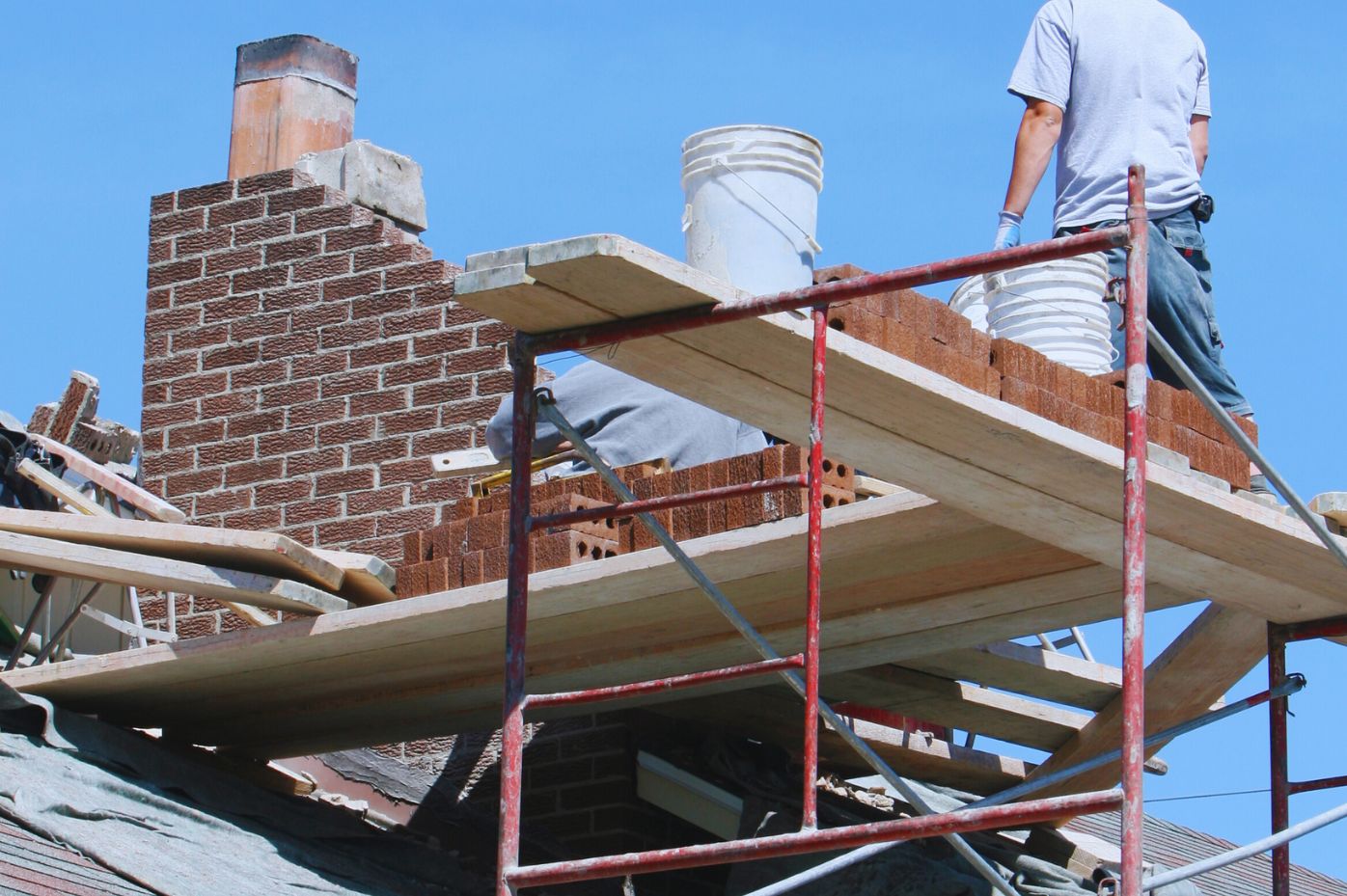
Our standards include
- Moisture source identified before repair begins
- Brick matched for color, texture and absorption rate
- Mortar matched softer than the brick
- Vapor permeable sealers only, once masonry is confirmed dry
Brick spalling starts inside the clay, not on the surface
Brick spalling, the physical separation and loss of the outer face layer of a brick unit, starts from the inside.
Water soaks into the clay body. Temperatures drop. That water turns to ice and expands roughly 9 percent in volume during a single freeze-thaw cycle. The brick face has nowhere to go, so it separates, flakes, and eventually falls.
What you see on the outside is always trailing behind what has already happened inside. Chalky deposits, popped faces or crumbling edges mean the brick absorbed more water than its clay absorption rate, its built-in porosity level, could handle under repeated thermal stress.
Colorado's Front Range sees more than 300 freeze-thaw cycles a year in many locations. Every cycle that reaches saturated brick forces that expansion again. Flaking chimney brick tells you water got in. It does not tell you whether water is still getting in, and that distinction matters more than anything else here.
Lakewood chimneys on the US-6 corridor get diagnosed fast
Our Lakewood office puts crews on Morrison, Golden and local residential jobs quickly.
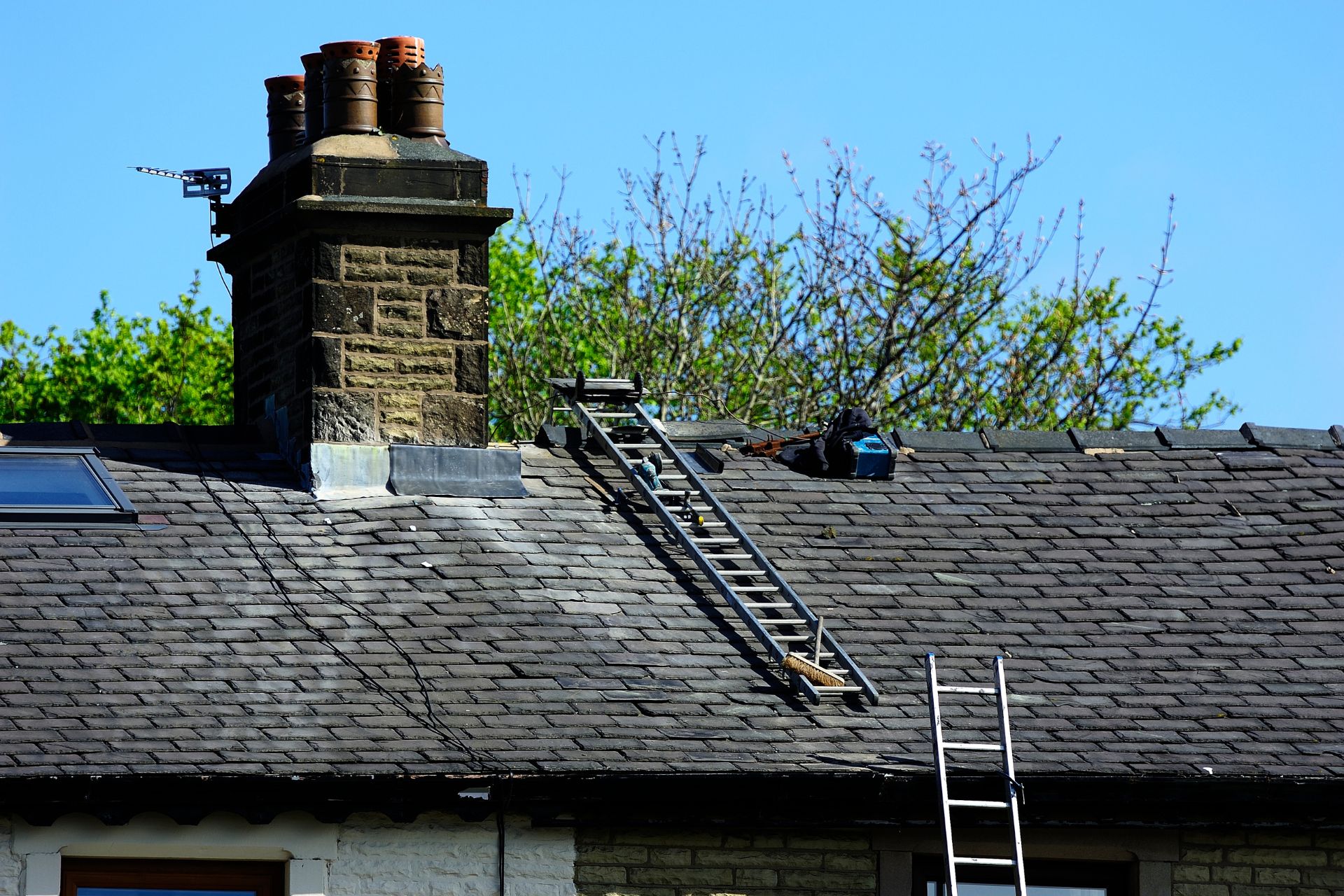
AR Chimney Pros dispatches from 12640 W Cedar Dr in Lakewood, right near US-6. That location gives direct access to the residential corridors west of Denver where spalling brick repair calls concentrate.
Most brick chimneys in this part of Lakewood date from the 1950s through the 1970s. That era used clay brick with higher absorption rates than modern masonry products. After 50 plus years of Colorado winters, those units are often well past their original moisture tolerance.
Morrison and Golden see similar stock. The foothills elevation adds wind exposure and faster temperature swings, conditions that push freeze-thaw cycling harder than flatland neighborhoods a few miles east. Crumbling chimney brick repair in Lakewood pulls from a different playbook than newer construction: matching the original brick type, mortar composition and joint profile matters for structural integrity, and sometimes for HOA compliance too.
Symptom to part
What you're seeing tells us where to look
Six things homeowners call about, and the part of the chimney behind each one.
A rattling or whistling sound from the chimney in windy weatherCap
A loose or corroded cap moves in the wind and lets rain drive straight down the flue. That water is often what starts the freeze-thaw cycle in the brick below it.
See chimney cap installationA white chalky bloom spreading across the brick faceCrown
That chalky residue is efflorescence: mineral salts carried to the surface by water moving through the crown. It usually means water is getting into the brick body behind it.
See efflorescence removalWater stains spreading across the ceiling near the chimney chaseFlashing
Where the chimney meets the roofline is one of the most common entry points on the house. Failed flashing sends water down the chase and into the brick, not just the ceiling.
See leak repairBrick faces flaking, cracking or falling awayBrick stack
This is spalling, and it's the page you're already on. We check whether the moisture source is still active before quoting any brick replacement, so the repair doesn't fail by the next freeze.
Smoke rolling back into the room when a fire is litDamper
A draft problem at the damper is usually about airflow, not moisture, but Denver's altitude changes how chimneys draw. Worth ruling out before assuming it's a masonry issue.
See draft analysisCracking or popping sounds from inside the firebox when a fire burnsFirebox
Firebrick expands and contracts with every fire. Cracked joints there are a structural check, usually separate from exterior brick spalling, but worth a full inspection either way.
See full chimney repairRepair method depends on assessment, not assumption
Every spalling brick chimney gets assessed before any repair scope is set.
A common question we hear: "Can you just replace the flaking bricks and seal it?"
Sometimes, yes. That's the right approach for stabilized spalling, surface damage that has stopped progressing because the moisture source was interrupted or the chimney dried out over time.
For active spalling, that sequence gets inverted. The moisture entry point gets addressed first. The masonry dries. Then repair proceeds. Sealing before that drying cycle is complete traps water and restarts the damage cycle faster than leaving the brick untreated.
The assessment identifies which category applies before any scope is quoted. You'll know exactly which situation you're dealing with, and the repair plan will match that, not a generic approach applied to every chimney on the route.
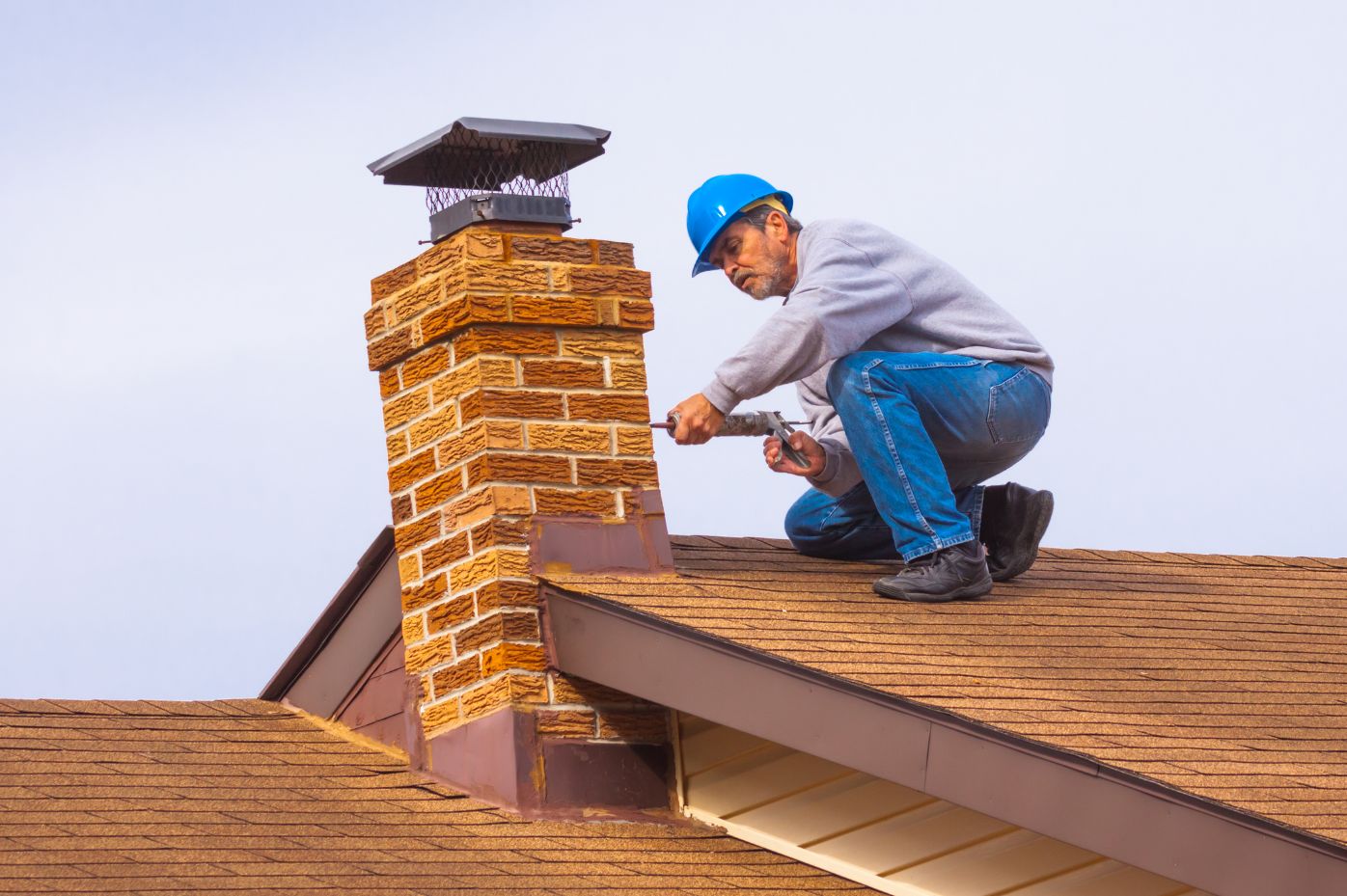
Our standards for spalling brick repair
Every chimney brick repair at AR Chimney Pros follows a matched material protocol.
- Moisture source identification firstThe diagnostic step is non negotiable before repair begins.
- Brick matchingColor, texture, size and clay absorption rate considered for visible replacements.
- Mortar type matchingMortar that's softer than the brick, to allow movement without new cracking.
- Vapor permeable sealers onlyAllows drying while blocking new water entry.
- Full soldier course inspectionThe highest exposure zone evaluated on every job.
- Adjacent mortar joint reviewChimney brick face damage in Denver often travels with joint failure.
How spalling brick repair works
No brick gets replaced before the moisture pathway is mapped. No sealer goes on before the masonry is confirmed dry.
-
1
Diagnostics
We start with a visual inspection of the full chimney exterior. We check cap condition, flashing integrity and mortar joint status. We probe loose brick faces and assess whether the underlying clay body is dry or still retaining moisture. That reading determines whether the spalling is active or stabilized.
-
2
Implementation
Moisture sources get repaired first, cap, crown or flashing, depending on what the diagnostic found. Damaged brick units are removed and toothed in using matching replacement brick and compatible mortar. Joint profiles are matched to the original. On soldier course repairs, we pay extra attention to the transition between vertical and horizontal coursing.
-
3
Post-service testing
After brick replacement and mortar cure, we apply vapor permeable waterproofing to exposed surfaces. We document the work with photos. We confirm the repair area is draining correctly and that no new moisture pathways were introduced during the repair itself.
See crown repair
Areas we serve
AR Chimney Pros serves Lakewood, Denver and communities across the Greater Denver Metro.
We work in Lakewood, Wheat Ridge, Golden, Morrison, Arvada, Englewood, Littleton, Edgewater, Sheridan, Glendale, Westminster, Aurora, Thornton, Highlands Ranch, Centennial, Broomfield and Boulder, along with surrounding communities throughout the Front Range.
- Lakewood
- Golden
- Morrison
- Wheat Ridge
- Arvada
- Englewood
- Littleton
- Westminster
- Aurora
- Thornton
- Highlands Ranch
- Centennial
- Broomfield
- Boulder
Frequently asked questions
Spalling questions we answer most often on the phone.
How much does spalling brick repair cost for a chimney in Lakewood?
Costs vary based on how many units need replacement and whether active moisture entry requires repairs first. A stabilized spalling job with moderate brick replacement runs less than one where the cap, crown or flashing also needs work. We assess the moisture source before quoting any scope, which prevents mispriced repairs that fail within a season.
How long does spalling brick repair take from the diagnostic visit to finished work?
Most spalling brick repairs complete in one to two visits. The first visit identifies whether spalling is active or stabilized. If active, moisture sources get repaired before any brick replacement begins. Masonry must dry before sealer is applied. Total timeline ranges from a single day to one week, depending on drying conditions and how many components need attention before brick work starts.
Can't I just seal the flaking brick myself and stop the damage?
Sealing spalling brick without stopping the moisture source first traps water inside the clay body. The next freeze cycle then pushes harder against a sealed surface, accelerating failure faster than leaving the brick untreated. Store-bought sealers are also typically film-forming products, not vapor permeable. Professional repair uses breathable waterproofers applied only after the masonry is confirmed dry and the water entry point is resolved.
How do you match replacement brick on an older chimney without it looking patched?
Brick matching considers color, texture, size and clay absorption rate, not just appearance. Mortar type is matched separately, using a mix softer than the brick to allow thermal movement. Chimneys built in the 1950s to 1970s used specific clay formulations that modern stock doesn't always replicate exactly. We source compatible replacement units and profile joints to match the original coursing before any brick is set.
What's the difference between active and stabilized spalling, and why does it change my repair quote?
Active spalling means moisture is still migrating into the brick, and deterioration continues each season. Stabilized spalling means the water source stopped, damage exists but isn't progressing. Active spalling requires fixing the entry point first, then replacing brick, then sealing. Stabilized spalling can often go straight to brick replacement. The two scopes carry different costs and timelines, which is why the diagnostic step happens before any number is given.
Do soldier course bricks need special handling compared to the rest of the chimney?
Soldier course bricks, the vertical row often found at chimney top transitions, are the highest exposure zone on any chimney stack. They face direct precipitation on two sides and experience faster freeze-thaw cycling than lower courses. Every AR Chimney Pros spalling job includes a full soldier course inspection. Replacement in that zone requires extra attention to the joint transition between vertical and horizontal coursing to prevent early recracking.
More questions about your system? Read the full FAQ.
Related repair services
If spalling turns out to be connected to a bigger moisture or structural issue, these are the next steps.
Book your spalling brick assessment in Lakewood
Crumbling chimney brick in Lakewood gets properly assessed, often the same week.
Call AR Chimney Pros at 720-608-7668 or email info@archimneypros.com to schedule your spalling brick evaluation. You can also request an appointment through our contact page. Tell us what you're seeing and we'll get the right crew out to assess it.