
Post-Fire & Chimney Fire Inspection in Lakewood, CO
Camera documentation of the full flue after a chimney fire, ready for your insurer.
Liner cracks, tile separation and mortar joint shift get documented before any repair is started.
Dispatching from 12640 W Cedar Dr, Unit 7, Lakewood.
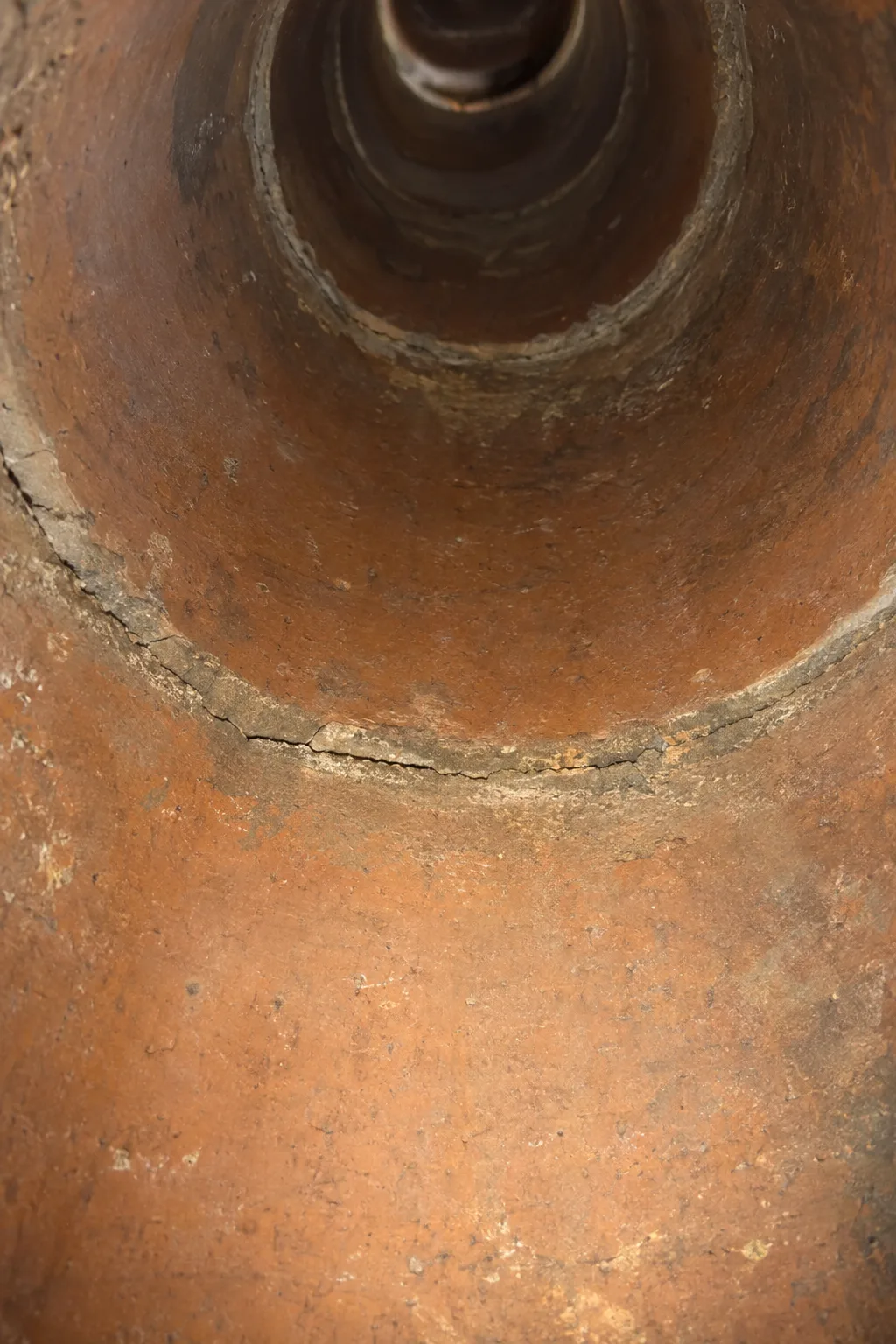
What this visit produces
- Full camera traversal of the flue, firebox to cap
- Tile separation and thermal shock documented
- Written summary formatted for insurance submission
- No repair recommendation until documentation is complete
A chimney fire can leave the liner fractured while the outside looks untouched
A chimney fire inspection documents exactly what happened inside your flue.
A chimney fire, a combustion event inside the flue itself caused by ignition of accumulated creosote deposits, can burn intensely and end in seconds. No visible flames outside. No smoke alarm. Sometimes just a low rumble and an unusually strong pull on the fire. Then nothing.
The chimney looks exactly the same from the street. That's the part that matters.
What you can't see is what concerns us. Flue tile separation, a condition where terra cotta liner sections shift or crack apart after intense thermal stress, can occur in under a minute of peak heat. The mortar joints shift. The liner fractures. None of it is visible from the firebox opening without a camera.
AR Chimney Pros conducts post-fire chimney inspections as camera-documented assessments of the full flue length. Every inspection produces a visual record ready for your insurance carrier before any repair recommendation is made.
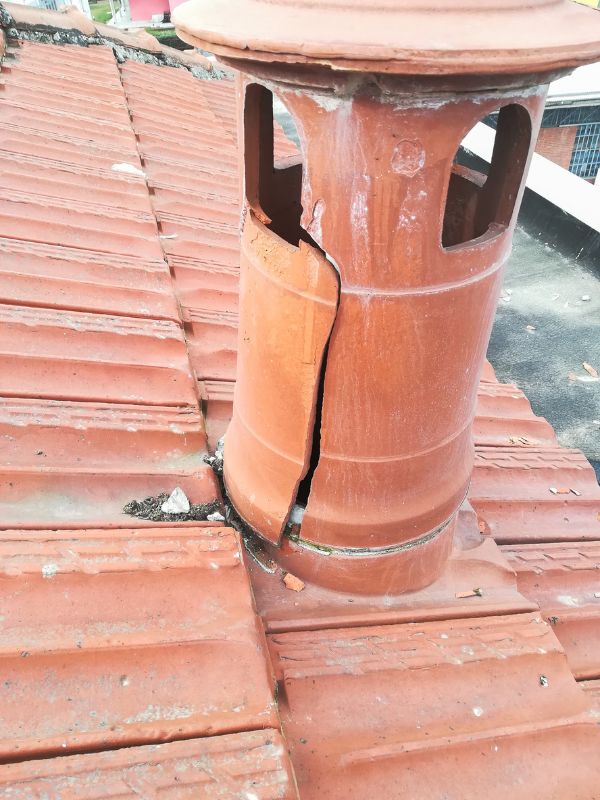
Lakewood chimneys carry specific risk factors
Jefferson County's climate makes chimney fire damage more likely, and harder to see.
AR Chimney Pros dispatches inspection crews from its Lakewood office at 12640 W Cedar Dr, reaching homes across Jefferson County, Denver and the broader metro area without delay.
Here's what most homeowners in Lakewood don't realize about local chimney conditions: the Front Range climate is unusually hard on masonry. Colorado's rapid temperature swings, from single digit overnight lows to 60 degree afternoons in the same week, mean chimneys here experience thermal shock (rapid temperature change that causes masonry materials to crack, expand or separate) repeatedly across a single season. Before a chimney fire even occurs, the liner and mortar joints in many Lakewood homes have already absorbed years of freeze-thaw cycling.
When a chimney fire's extreme heat hits masonry that's already been stressed by Colorado winters, the damage compounds fast. A liner that looked borderline on last year's inspection may be fully compromised after a single fire event. That's not a generic warning. That's what we see on camera in this region, regularly.
- 451°F
- Typical ignition point of stage 1 creosote
- 60 to 90 min
- Typical on-site inspection time
- NFPA 211
- Standard our documentation references
What the camera found that the homeowner never suspected
Every post-fire camera inspection tells a story the firebox opening alone never could.
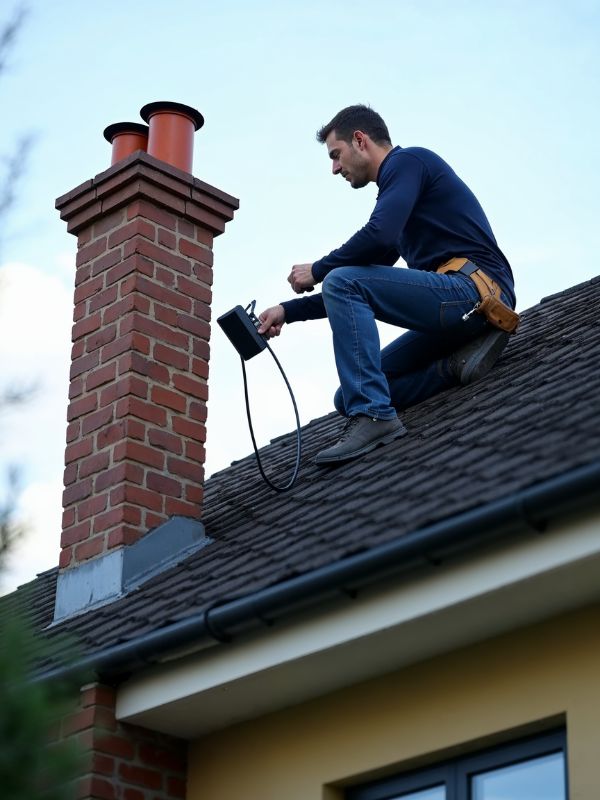
A home in the Green Mountain area of Lakewood, a 1978 ranch style with a single masonry fireplace and an original terra cotta liner. The homeowner called because her husband had heard a low rumble about 20 minutes into a fire the night before. The draft had pulled unusually strong for a few minutes, then settled. They both assumed the flue had just been drafty.
She hadn't called because she thought something was wrong. She called because a neighbor mentioned they should get it checked.
The camera ran from the firebox to the crown. The first two thirds of the liner looked fine, consistent tile spacing, no obvious cracking. Then around the upper third, right at the smoke chamber transition, the problem showed up.
Three tile joints had separated. One tile had a lateral fracture running the full width of the flue section. The surrounding masonry showed heat discoloration, a clear thermal shock signature, on both sides of the break.
From the Lakewood crew
The fire that "settled down" had been a chimney fire. Short. Intense. Over before anyone knew what happened. Because the liner fracture was documented on camera before any repair was started, the record was clean and transferable. Her insurance carrier received a timestamped visual log of exactly what the fire had done, tile by tile, with the damage captured in sequence.
That documentation is what AR Chimney Pros produces on every post-fire inspection call. Not a written estimate. A camera record. Then an estimate. That sequence matters more than most people realize until they're in it.
Insurance documentation is straightforward when the inspection is done right
AR Chimney Pros produces camera records your insurer can use directly, no interpretation required.
A lot of homeowners call wondering whether insurance will cover chimney fire damage.
We can't speak to your specific policy, that's between you and your carrier. What we can control is the quality of the documentation we hand you.
After every post-fire chimney inspection, AR Chimney Pros produces a written and photographic record of liner condition, tile separation and mortar joint integrity. The camera footage captures the full flue length, from the firebox floor to the chimney cap at the top of the stack. The record is timestamped and formatted so it can be submitted to an insurance carrier without additional interpretation.
Our structure follows NFPA 211, the National Fire Protection Association standard governing chimney inspection protocols, including the specific requirements that apply following a chimney fire event. That means your adjuster receives something they recognize, not a handwritten estimate but a formatted post-fire liner assessment backed by camera evidence.
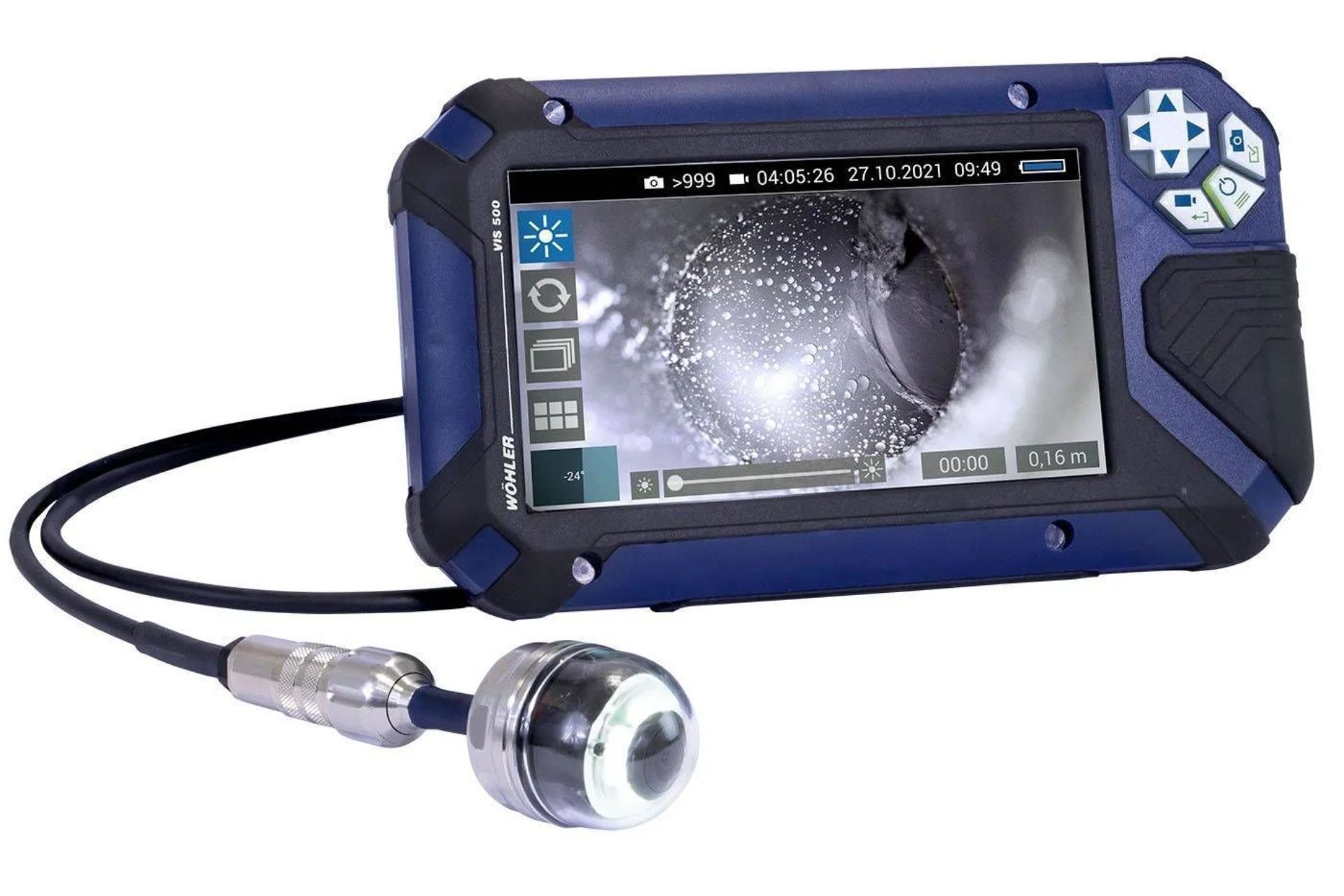
What every post-fire inspection covers
A chimney fire inspection from AR Chimney Pros covers the full system, not just the obvious damage. These are structured diagnostic assessments with a specific scope, not sweeps with an extra look inside.
- Full camera traversalEvery foot of liner recorded from firebox to cap, not spot-checked.
- Flue tile separation assessmentEach tile section evaluated for lateral fractures, joint shifts and separation gaps.
- Thermal shock signature reviewHeat discoloration patterns in surrounding masonry identified and logged.
- Creosote ignition temperature contextStage 1 creosote typically combusts around 451°F. Glaze stage (stage 3) deposits can ignite at lower temperatures and burn hotter. The inspection identifies which stage was present.
- Smoke chamber condition checkThe transition zone between firebox and flue is a frequent damage concentration point.
- Cap and crown visual inspectionExterior damage to the chimney crown and cap documented as part of the full record.
- Written damage summaryFormatted for insurance submission, referencing NFPA 211 inspection standards.
We don't stop the inspection at the first sign of damage. We document the full picture before anything else happens.
How a post-fire inspection runs
Three phases, in the same order, on every post-fire call.
-
1
Diagnostics: camera first, every time
We look before we clean or quote, every time.
The inspection begins with the camera, before any cleaning, before any repair discussion. We run a high resolution camera from the firebox floor through the full flue length. Cleaning the flue before the camera runs removes the visual evidence of where and how the fire burned. We document first.
During the camera pass, we look for flue tile separation, not just cracks in individual tiles, but gaps between sections where the liner has shifted under thermal stress. A separated tile joint means combustion gases from future fires can escape the flue and contact surrounding framing. That's the primary structural concern following a chimney fire.
-
2
Implementation: scope before action
The full damage scope gets compiled once the camera assessment is complete.
This includes liner condition, mortar joint integrity, smoke chamber condition, and any exterior damage to the crown or cap. The scope document is the foundation of everything that follows: repair estimates, insurance submissions, and our own internal job scope if you move forward with us.
We do not recommend repairs during the inspection visit. The documentation is completed first.
-
3
Post-service: clearance before next use
You leave with documentation, not just a conversation.
If the inspection reveals damage that requires repair, the chimney is not cleared for use until repairs are complete and verified. If the inspection reveals no structural damage, a result that does occur, particularly in short or low intensity chimney fire events, we provide written clearance and a full copy of the camera record.
See Level 2 inspection
Areas we serve
AR Chimney Pros serves Lakewood and communities across the Greater Denver Metro.
Our inspection crews serve Lakewood, Denver, Wheat Ridge, Arvada, Englewood, Littleton, Edgewater, Morrison, Golden, Sheridan, Glendale, Westminster, Aurora, Thornton, Highlands Ranch, Centennial, Broomfield, and surrounding communities. We also reach the foothills, Evergreen, Conifer and Idaho Springs, where older masonry chimneys are common and post-fire diagnostics are frequently needed.
- Lakewood
- Denver
- Wheat Ridge
- Arvada
- Englewood
- Littleton
- Edgewater
- Morrison
- Golden
- Sheridan
- Glendale
- Westminster
- Aurora
- Evergreen
- Conifer
- Idaho Springs
Frequently asked questions
Post-fire questions we answer most often on the phone.
How much does a post-fire chimney fire inspection cost in Lakewood, CO?
Call 720-608-7668 for current rates. What we can confirm: the inspection includes a full camera traversal of the flue plus a written damage summary formatted for insurance submission. No estimate is issued until the full camera record is complete. That documentation sequence is included in the inspection visit, not billed as a separate deliverable.
How long does a post-fire chimney inspection take from camera run to written documentation?
Most post-fire inspections take between 60 and 90 minutes on-site. The camera traversal runs first, before any cleaning or repair discussion. Once the full flue length is recorded, the damage summary is compiled from that footage. Written documentation is formatted after the visit so the record is clean and submission ready for an insurance carrier.
Do I actually need a camera inspection if the chimney looks fine from the outside?
Yes. A chimney fire can fracture the liner without producing any visible exterior damage. Flue tile separation and thermal shock cracking occur inside the flue wall, not on the outer stack. AR Chimney Pros runs a high resolution camera from firebox floor to crown on every post-fire call. That internal record is the only reliable way to confirm whether the liner is structurally intact before the next fire is lit.
What makes this different from a standard chimney sweep adding a camera look?
AR Chimney Pros separates the diagnostic crew from the cleaning crew on post-fire calls. The inspection technician documents the full flue first, before any cleaning begins. Sweeping before the camera runs removes visual evidence of where and how the fire burned. That sequencing matters because a post-fire insurance submission requires the damage record to be captured in its original state, not after debris has been disturbed.
Can the camera documentation from this inspection actually be submitted to my insurance carrier?
Camera footage and written summaries from every AR Chimney Pros post-fire inspection are formatted for direct submission to a homeowner's insurance carrier. The documentation references NFPA 211, the National Fire Protection Association standard governing post-fire chimney inspection requirements. That structure means your adjuster receives a recognized, formatted record rather than a handwritten estimate. What your specific policy covers is between you and your carrier.
I'm not sure I had a chimney fire. Should I still call, or wait until something seems wrong?
Call before lighting another fire, not after. A chimney fire can end in seconds without visible flames or smoke outside the chimney. Common signals include a low rumble during the fire, an unusually strong draft, or a briefly roaring sound that settled quickly. If any of those occurred, the liner may already be fractured. Waiting until the next fire is lit risks venting combustion gases through cracked tile joints into surrounding framing.
More questions about your system? Read the full FAQ.
Related inspections
Other diagnostic visits our Lakewood crew runs.
Schedule your post-fire chimney inspection in Lakewood
If you think you had a chimney fire, get the camera documentation done before lighting another fire.
AR Chimney Pros conducts post-fire chimney inspections with camera documentation across Lakewood, Jefferson County and the Greater Denver Metro. Call us at 720-608-7668 or email info@archimneypros.com to schedule. Have your fireplace model and the date of the suspected fire event ready, it helps us prep the right equipment before we arrive.