
Chimney Leak Inspection & Diagnostics in Lakewood, CO
A structured diagnostic visit, not a quick look before a sales pitch.
We trace water intrusion to its actual source, whether that's the crown, the flashing, the liner or all three at once, before any repair gets discussed.
Dispatching from 12640 W Cedar Dr, Unit 7, Lakewood.
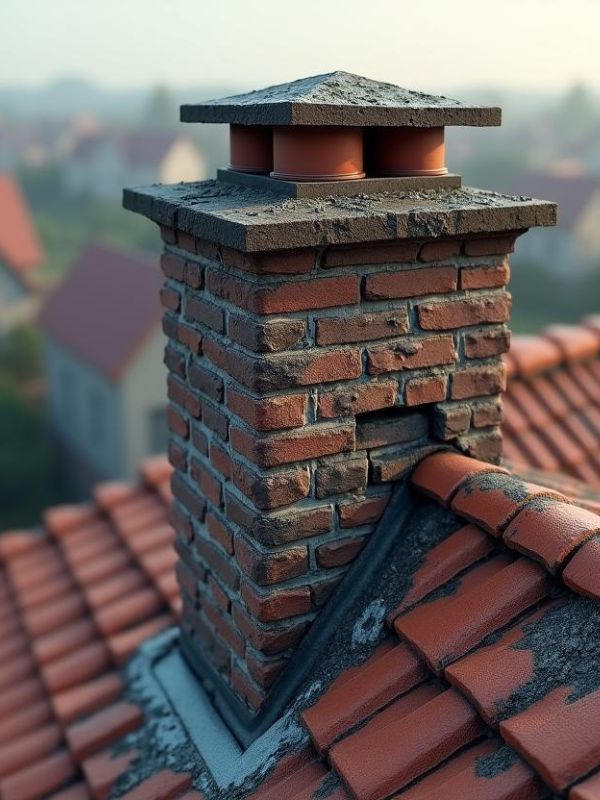
Seven points checked every visit
- Crown and lateral cracking
- Step flashing and counterflashing
- Mortar joints and the flue liner
- Chase cover and firebox moisture
Water in strange places rarely has an obvious cause
A damp firebox floor after a storm, a stain on the ceiling near the fireplace, wet drywall along the chimney wall: none of those symptoms tell you exactly where the water entered.
AR Chimney Pros performs chimney leak inspection as a dedicated service. We trace water intrusion, the movement of water into a chimney system through gaps in masonry, flashing, the crown or the liner, to its actual source before anything else happens.

Lakewood's freeze-thaw climate makes multi-point leaks the norm
Colorado's freeze-thaw cycles turn hairline cracks into active leak channels fast.
Freeze-thaw cycling, the repeated freezing and thawing of water trapped in masonry, is the defining challenge for chimneys along the Front Range. Lakewood averages more than 160 freeze-thaw events per year. That is 160 opportunities for water to expand inside a mortar joint, under a cracked crown, or behind a flashing seam.
Here is what most homeowners don't realize about chimney leaks in this climate: a single Colorado spring storm can push water in through three or four separate entry points at the same time. By the time moisture shows up inside the house, it has already traveled through multiple layers of masonry. A single patch rarely solves it.
Our technicians dispatch directly from our Lakewood office on W Cedar Dr. We serve Wheat Ridge, Edgewater and Morrison with the same crew, no subcontracted work, no handoffs.
- 160+
- Freeze-thaw events per year in Lakewood
- 7 points
- Documented entry points assessed every visit
- 3 phases
- Diagnostics, mapping, written findings
How a multi-entry leak gets sorted out in the field
Moisture mapping turns a guessing game into a documented diagnosis.

From the Lakewood crew
I walked a job in Edgewater last spring that's a good example of why we treat leak inspection as its own step. The homeowner had already had the flashing recaulked twice. Water kept coming back every March. When I got on the roof, the flashing looked decent from a distance. But once I started working through our moisture mapping process, systematically documenting every potential entry point, the real picture came into focus.
The step flashing had a clean outer edge. But the counterflashing had separated from the masonry at the back corner. Water was running behind it, not through it. On top of that, the chimney crown had two lateral cracks running toward the flue, and the flue liner had a visible offset joint near the top that was letting water migrate into the chimney structure.
Three separate entry points. The homeowner had only been told about one. I documented each one with photos, noted which were actively contributing to the interior staining versus which were incidental damage, and put together a prioritized list. That's the job. Find all of it first, then figure out what to fix and in what order.
AR Chimney Pros field technician, Lakewood dispatch
Every entry point gets assessed, not just the obvious one
Chimney water damage diagnosis in Lakewood covers the full system, not just the visible symptom.
Chimney leaks often start with one visible problem. But the flue liner, the mortar joints, the chase cover and the crown can all be contributing at the same time.
Addressing only the obvious entry point often leaves the others active. Our chimney moisture inspection process covers seven documented entry points: the crown, step flashing, counterflashing, mortar joints, the liner, the chase cover and the firebox itself. Each is assessed as active, incidental or at-risk. That distinction matters. It shapes the repair sequence and prevents unnecessary work.
You'll know exactly what we found and why it matters before we discuss any repair options.
Our standards for chimney leak source identification
We document findings before making a single recommendation.
- Moisture mapping completed on every jobEvery potential entry point is checked and logged.
- Active versus incidental classificationNot every defect is currently leaking. We distinguish between what's causing the problem now and what needs monitoring.
- Photo documentation includedEvery diagnostic visit includes photos of each entry point: crown, flashing, liner, mortar joints and chase cover.
- No repair upsell during diagnosisThe inspection is its own deliverable. Repair options follow as a separate conversation.
- Crown and liner assessed togetherThese two components are the most commonly overlooked concurrent leak sources in Colorado's climate.
- Written summary providedYou receive a documented list of findings, not just a verbal rundown.
Our chimney leak inspection process
Every chimney leak diagnostic follows a documented three-phase protocol.
-
1
System diagnostics
The technician begins on the roof, starting at the chimney crown and working down through the flashing system. Step flashing and counterflashing are examined for separation, corrosion or gaps. The crown is checked for lateral cracking and edge seal failure. The chase cover, if present, is evaluated for fit and corrosion.
From there, the technician moves inside. The firebox floor and smoke chamber walls are checked for active moisture or staining patterns. The flue liner is assessed for offset joints, cracks or deteriorated mortar between flue tiles. Mortar joints on the exterior masonry are checked for recessing, crumbling or open gaps.
-
2
Moisture mapping
Each entry point is classified: active (currently introducing water), incidental (showing damage but not currently the primary source), or at-risk (structurally compromised and likely to become active). The technician documents each finding with photos and notes the interior staining pattern that corresponds to each exterior entry point.
This step is what separates chimney leak diagnosis from a surface inspection.
-
3
Post-inspection findings walkthrough
Before leaving, the technician walks the homeowner through the full moisture map: which entry points are active, which need attention next, and which can be monitored. You receive a written summary and photo set. Repair recommendations are prioritized by urgency, not by job size.
See chimney leak repair
Related inspections
A leak inspection is one way into the system. These cover the rest.
Chimney leak inspections across the Denver Metro
AR Chimney Pros serves Lakewood and the surrounding communities directly from our dispatch location.
Our crews cover Lakewood, Wheat Ridge, Edgewater, Denver, Arvada, Golden, Morrison, Englewood, Littleton, Westminster, Aurora, Thornton, Highlands Ranch, Centennial, Broomfield, Boulder and dozens of additional Front Range communities. Every job is staffed by our own team, 20 technicians, no subcontracting.
- Lakewood
- Wheat Ridge
- Edgewater
- Denver
- Arvada
- Golden
- Morrison
- Englewood
- Littleton
- Westminster
- Aurora
- Thornton
- Highlands Ranch
- Centennial
- Broomfield
- Boulder
Frequently asked questions
Leak inspection questions we answer most often on the phone.
How much does a chimney leak inspection cost in Lakewood, CO?
AR Chimney Pros treats leak inspection as a standalone diagnostic visit, not a pre-repair formality. That scope is more involved than a standard sweep appointment. Call 720-608-7668 for current pricing before you book.
How long does a chimney leak diagnostic visit take?
Most moisture mapping inspections take 60 to 90 minutes on-site. The technician covers seven documented entry points: crown, step flashing, counterflashing, mortar joints, liner, chase cover and firebox. A findings walkthrough happens before the technician leaves. Plan for at least 90 minutes if the chimney has visible multi-point damage.
Will you find the leak if water only shows up after heavy spring storms?
Seasonal leaks are the most common pattern we diagnose. Freeze-thaw cycling creates entry points that only activate under specific moisture and temperature conditions. Our moisture mapping process classifies each entry point as active, incidental or at-risk, so intermittent leaks get documented even when conditions are dry on inspection day.
What's different about your leak inspection versus a contractor who just checks the flashing?
Seven entry points get assessed and photographed, not just the one that looks obvious. Most contractors stop at the flashing. Our technicians map the crown, liner, mortar joints and chase cover as concurrent sources, which is standard in Colorado's climate. You receive a written summary and photo set, not a verbal rundown from the roof.
Do I need a full chimney repair quote before I can get the leak inspection?
No. The inspection is a separate, standalone deliverable. Repair recommendations come after the diagnostic walkthrough, in a prioritized list based on urgency. Nothing gets sold during the inspection visit. You decide next steps once you have the full moisture map in hand.
See chimney leak repairCan a chimney leak inspection tell me which repairs to prioritize if I can't fix everything at once?
Yes. Every entry point gets classified by severity: active, incidental or at-risk. That classification directly shapes the repair sequence. You'll know which defect is causing current interior damage and which can be monitored. Budget-driven decisions are easier when the findings are prioritized, not just listed.
More questions about your system? Read the full FAQ.
Schedule your chimney leak inspection in Lakewood
Finding the source is the only way to stop chimney water intrusion for good.
If you're seeing moisture near the fireplace, a damp firebox floor, or ceiling staining after storms, the first step is a proper chimney leak diagnosis. Call AR Chimney Pros at 720-608-7668 or email info@archimneypros.com to schedule your moisture mapping inspection in Lakewood or anywhere across the Denver metro.