
DIY Chimney Cleaning vs. Professional Sweeping
Stage 2 creosote, smoke shelf debris and flue camera access aren't in any consumer kit. Here's what a brush reaches, and what it doesn't.
AR Chimney Pros dispatches cleaning crews from Lakewood across the Denver Metro. This guide covers what a DIY brush kit actually accomplishes, where it stops, and what a professional appointment adds on top of it.
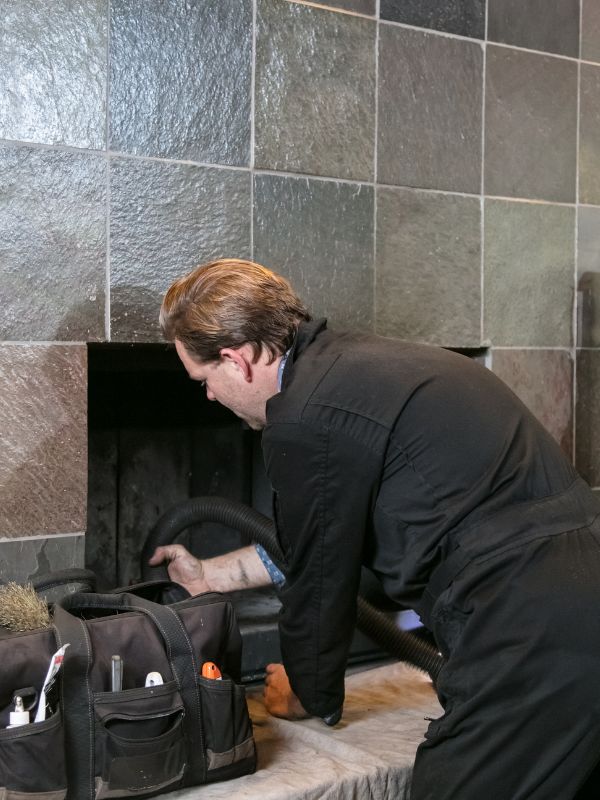
Where a brush kit stops
Loose soot and surface ash, yes. Stage 2 creosote, the smoke shelf and the upper flue, no.
A brush kit cleans ash and loose soot. That's real.
A DIY chimney brush kit, a consumer-grade set of flexible rods and brushes meant to scrub a flue from below, can remove loose debris from the visible firebox and pull down surface soot. That gives a homeowner a sense of control, and it isn't nothing.
| What's cleaned | Brush kit | Professional |
|---|---|---|
| Loose soot, visible firebox | Yes | Yes |
| Stage 2 creosote | No | Yes |
| Smoke shelf | Rarely | Yes |
| Flue camera scan | No | Yes |
| Written condition record | No | Yes |
But the flue doesn't end where the brush feels easy to push. The rods reach. What they can't do is identify Stage 2 creosote, a tar-like, hardened deposit that bonds to flue walls and won't move with a brush. That stage needs chemical treatment or a professional rotary cleaning system, a power-driven tool that generates the friction needed to break down glazed deposits. That tool doesn't come in a consumer kit.
The smoke shelf is another gap. Smoke shelf debris, the soot, ash and material that collects on the horizontal ledge directly above the fireplace throat, sits somewhere most homeowners can't see clearly or know to check. When that shelf fills, combustion byproducts can roll back into the room instead of drafting upward.
So the cleaning feels complete. The chimney is technically cleaner than it was. But cleaner and clean are different things, and at Colorado's altitude that gap matters.
See creosote and glaze removalDenver's altitude pushes creosote staging faster
Combustion behaves differently at 5,280 feet, and that changes what accumulates in a flue over a season.
Wood burns cooler at altitude. Incomplete combustion produces more byproduct, and that byproduct rises through the flue and condenses on cooler liner surfaces, especially in Front Range homes where nighttime temperatures can swing 30 to 40 degrees between October and April.
AR Chimney Pros dispatches cleaning crews from our Lakewood office on West Cedar Drive, serving Denver, Wheat Ridge, Arvada and surrounding communities, often within the same scheduling window. What our technicians see in these homes is consistent: chimneys that have been brushed or partially cleaned, but where the upper flue sections and smoke shelf still carry significant buildup.
That buildup isn't cosmetic. Once creosote stages up, a flue fire can reach temperatures around 2,000°F, hot enough to crack tile liners and reach framing nearby. This isn't a Lakewood-only pattern: it runs across the metro because the climate creates the same conditions regardless of zip code.
What a camera finds, before and after a cleaning
Homeowners sometimes do everything right by consumer standards. A good brush kit, a shop vacuum, an open damper. The firebox looks clean. Confidence is high.
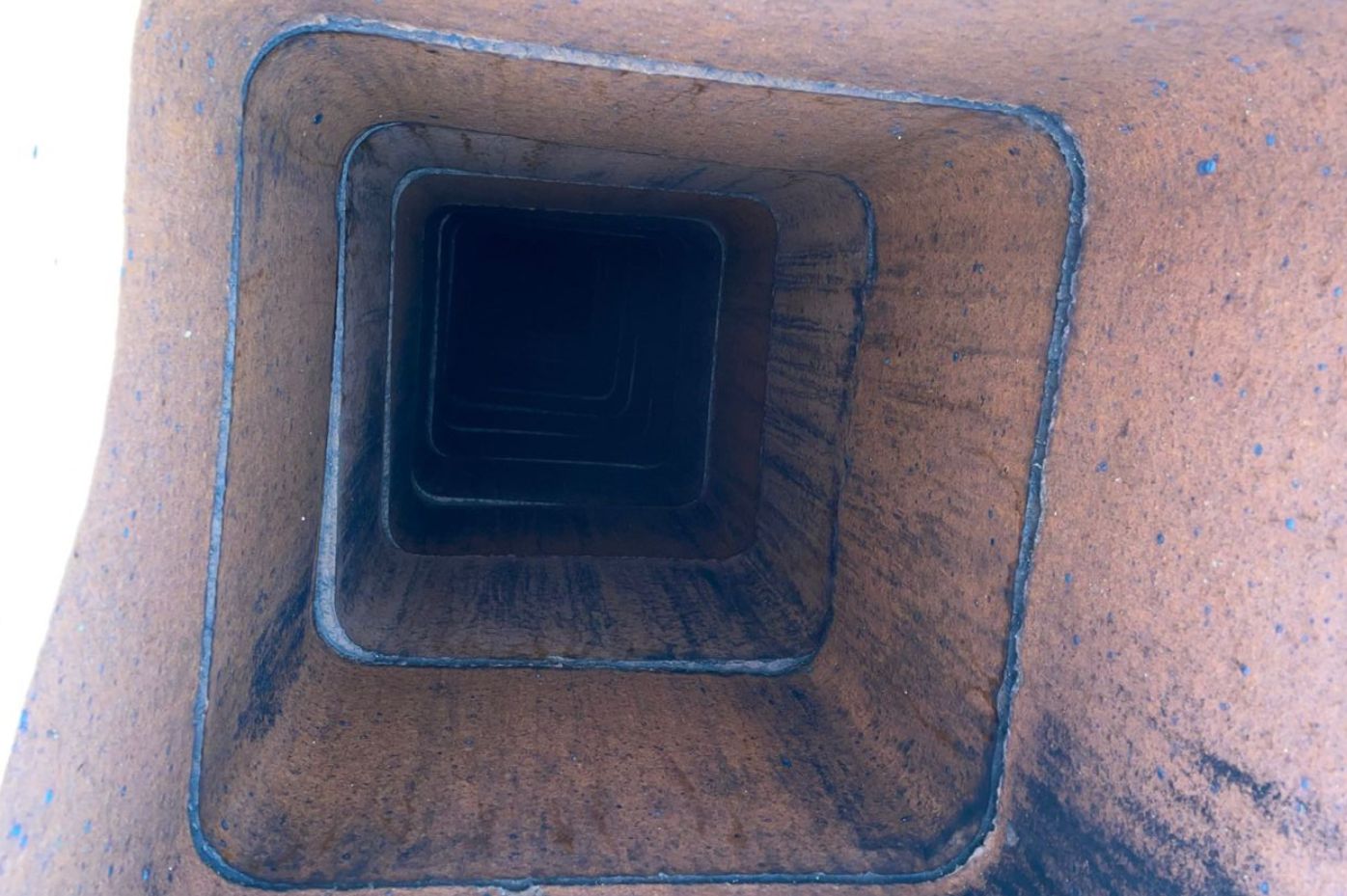
Then the flue camera runs, a video scan of the interior flue used to identify liner cracks, mortar joint gaps, blockages and creosote staging, and the upper third of the liner tells a different story. Stage 2 creosote coating the upper flue wall. Sometimes a hairline crack that's been there for two seasons. Occasionally a blockage near the top that a brush never reached, because the work ran from the firebox up rather than the crown down.
The homeowner used the right tools for what those tools can do. But the tools don't include a camera, and the process doesn't produce a written record of what was found, only what was removed.
What a technician sees on a chimney we already cleaned
A camera scan at a return visit usually shows a clean, matte liner with no fresh glaze, because the rotary system and the written record from the last visit give the next technician a baseline to compare against instead of a guess. That comparison is only possible when a record exists in the first place.
That record matters beyond convenience. A flue fire can reach temperatures around 2,000°F, hot enough to crack tile liners and ignite nearby framing. Post-cleaning documentation, a written or photographic record of flue condition, establishes baseline condition for insurance purposes. A DIY cleaning produces no such record. A professional appointment with AR Chimney Pros does.
Our crews carry and run the camera as part of the cleaning process. What's found goes into a written flue summary that travels home with the homeowner.
What's covered in every professional cleaning appointment
No prep needed beforehand. The crew brings the equipment, and the written record is built into the visit, not sold as a separate inspection.
- 1
Call or book online and tell us what's going on.
- 2
We confirm a window and dispatch from our Lakewood office.
- 3
The crew arrives with full equipment, no setup needed from you.
- 01Full-length mechanical cleaning, from crown to firebox, not just the sections a rod reaches comfortably.
- 02Stage 2 creosote assessment, identified during cleaning and treated with rotary equipment if required.
- 03Smoke shelf clearing, the horizontal shelf above the fireplace throat is cleaned and checked.
- 04A flue camera scan reviewing liner condition, mortar joints and blockage points.
- 05Post-cleaning documentation, a written summary of what was found, not only what was removed.
- 06Technician notes flagging any repair indicators for your review, right in the report.
No separate inspection appointment is needed to get the documentation. It's built into the same visit, every time.
See chimney cleaningWhat actually determines whether a chimney is clean
Several variables shape whether a cleaning goes deep or stays surface-level.
Creosote stageThe biggest variable
Stage 1 creosote, loose, flaky and light, responds well to standard brush cleaning. Stage 2 changes everything. A professional rotary cleaning system is the difference between removing the deposit and brushing past it.
Flue heightMore surface area, more buildup
Longer flues carry more buildup. Denver metro homes built in the 1960s through the 1980s often have taller, unlined masonry flues, and those carry more risk of missed buildup than shorter, lined systems.
Frequency of useAnnual cleaning can lag behind heavy use
A fireplace used three nights a week from October through March builds up faster than a once-a-year brush cleaning can keep up with. CSIA recommends annual professional cleaning for actively used fireplaces, and Colorado's shoulder seasons add more burning than many homeowners count.
Camera historyOnly a camera reveals liner damage
A flue that's never had a camera scan may have liner damage directing smoke contact with combustible materials for years. A brush can't reveal that. Only a flue camera inspection does.
See Level 1 inspectionAlready have a brush kit?
A professional visit still checks the smoke shelf, the upper flue and runs the camera scan, so you get the written record a brush alone can't produce.
Areas we serve in the Denver Metro
We schedule cleanings across the Denver Metro from our Lakewood location.
If you're in the greater Denver metro, we likely serve your neighborhood. Call us to confirm your address.
- Lakewood
- Denver
- Wheat Ridge
- Arvada
- Englewood
- Littleton
- Edgewater
- Golden
- Westminster
- Aurora
- Thornton
- Highlands Ranch
- Broomfield
- Boulder
- Commerce City
- Centennial
Get a cleaning that comes with documentation
A brush kit cleans what it reaches. A professional cleaning covers the full system and puts it in writing.
Call AR Chimney Pros at 720-608-7668 or contact us at info@archimneypros.com to schedule. Our Lakewood crew is ready to book your appointment across the Denver Metro.