
Flue Tile Measured Before the Cap Is Ordered
Single and multi-flue configurations, fitted without adapters or guesswork.
Galvanized caps dent and rust through after Front Range hail. Stainless and copper options are available for every chimney cap installation and replacement we handle in Lakewood.
Dispatching from 12640 W Cedar Dr, Unit 7, Lakewood.
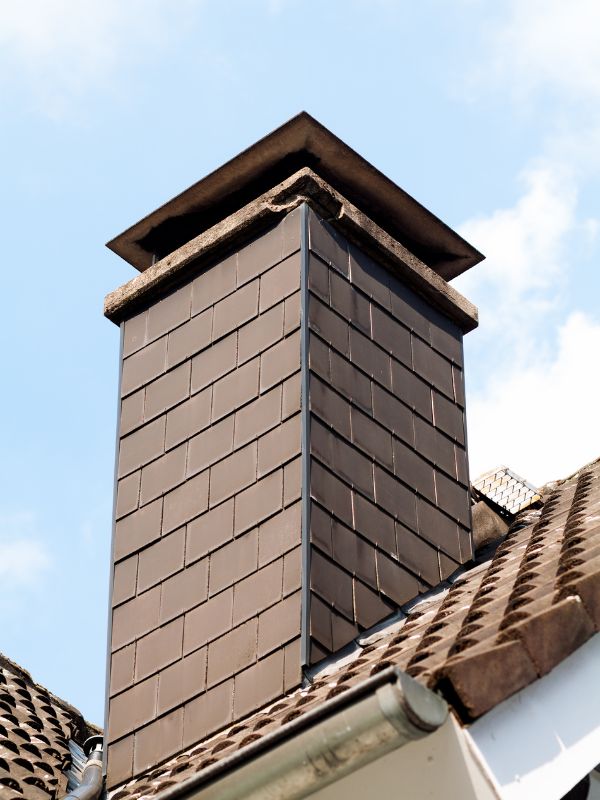
Every cap install includes
- Flue tile and crown measured first
- Multi-flue chimneys sized as one unit
- Spark arrestor status confirmed
- Material and summary documented
A chimney cap is the flue's first line of defense
A properly fitted chimney cap keeps rain, debris, birds and embers out of your flue opening.
Without one, or with one that's cracked or rusting through, your flue becomes a funnel for everything the Front Range sends down it.
AR Chimney Pros installs and replaces chimney caps across Lakewood and the greater Denver Metro. We measure the flue tile dimensions and the chimney crown width before anything is ordered or fabricated. Single flue homes get a cap that fits. Multi-flue configurations, where two or more flue openings share one crown, get a single cap structure sized to cover both without adapters or guesswork.
The result is a sealed, protected flue opening that handles Colorado weather across every season.
Lakewood's hail pattern makes cap material the decision that matters
In Jefferson County, golf ball sized hail is a documented annual occurrence.
Here is what most homeowners don't realize about chimney cap materials. The cap on a 1985 ranch style home in Lakewood is almost certainly galvanized steel, a zinc coated steel used in entry level chimney caps. Galvanized steel holds up fine in mild climates. The Front Range is not a mild climate.
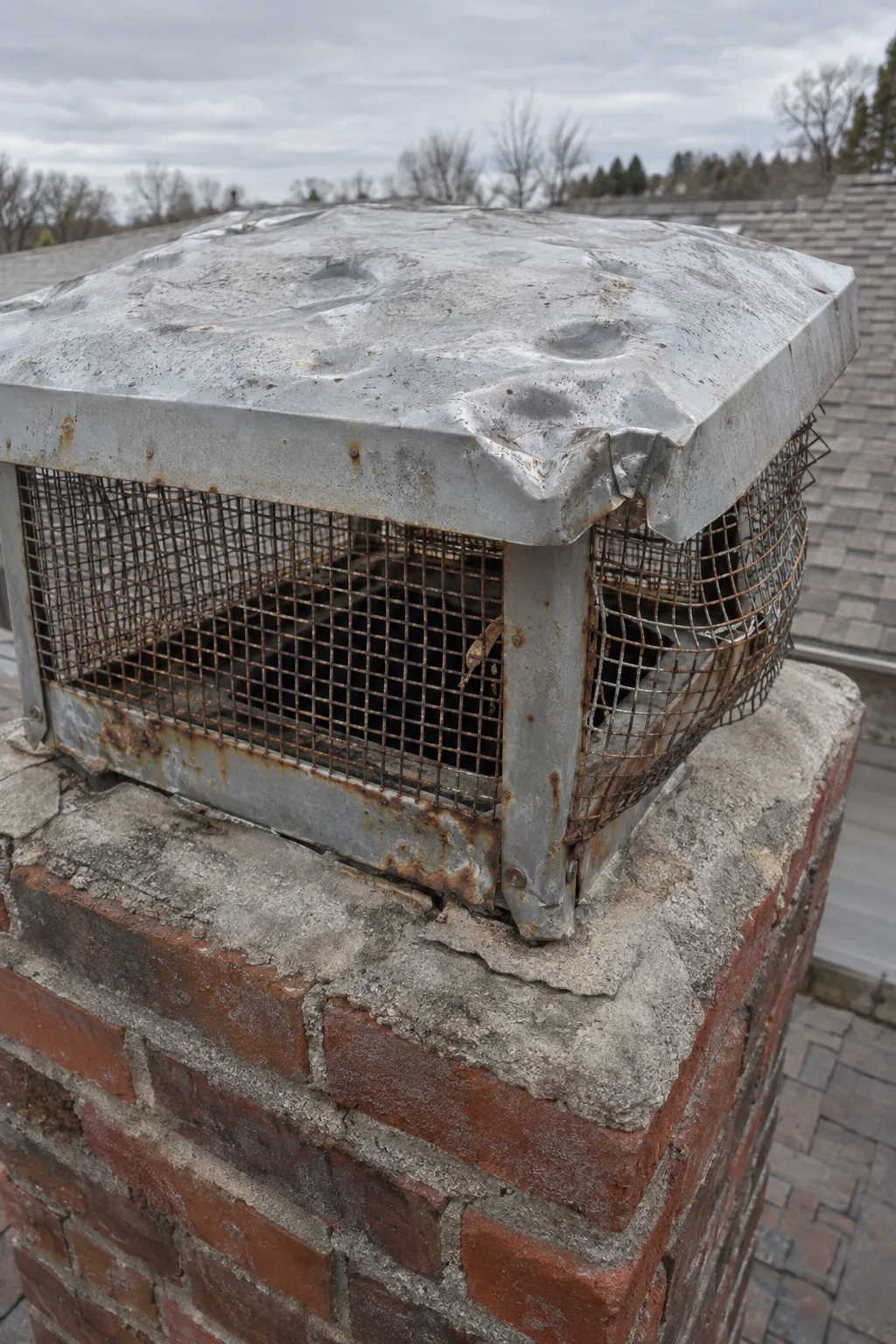
High UV exposure at Denver Metro elevation accelerates the zinc coating's breakdown. One or two direct hailstone hits can dent and crack galvanized steel within a single storm. Once the cap dents, the mesh warps. Once the mesh warps, rain infiltration, water entering through a damaged or open flue, starts working on your liner, your damper hardware and your smoke shelf.
The neighborhoods along the US-6 and Kipling corridors in Lakewood and Wheat Ridge sit directly in Jefferson County's most active hail impact zones. Our crews dispatch from our W Cedar Dr location and reach these neighborhoods quickly. That proximity matters after a major storm, when cap assessments back up across the metro.
Stainless steel and copper caps handle what galvanized cannot. That's the right conversation to have when a replacement is due.
What a post-hail cap call in Wheat Ridge turned up
A standard cap replacement call turned into a clear lesson in why material selection matters.
I was dispatched to a Wheat Ridge home about three weeks after a significant hailstorm moved through the area. The homeowner called about a fireplace that suddenly smelled musty, not smoky, just damp. That's a reliable sign of water reaching somewhere it shouldn't.
I got on the roof and the galvanized cap told the whole story. Two of the four mesh panels had buckled inward from hail impact. The top plate had a visible crease running almost edge to edge. Water had been pooling on the smoke shelf for weeks before anyone noticed.
The flue tile on this chimney was an older clay tile liner, eight inch by eight inch interior dimension. The previous cap had been installed using an approximate fit. It wasn't seated flush against the crown, and the mesh overhang on one side was less than an inch, which meant debris had been getting past it even before the hail hit.
We measured the tile dimension directly, ordered a stainless steel chimney cap, a corrosion resistant cap material with a service lifespan that far outlasts galvanized in Colorado's climate, and fitted it tight to the crown. Then we dried out the smoke shelf and checked the liner for any related damage.
The homeowner mentioned they hadn't looked at the cap since the house was purchased. That's more common than you'd think. The cap is invisible from the ground and easy to forget, until the symptoms show up inside the house.
AR Chimney Pros field team, Lakewood dispatch
Stainless, galvanized, copper: how the material conversation goes
Choosing a cap material is straightforward once you understand what each one handles in a Colorado environment.
When we talk cap replacement with a homeowner, we're matching material to the chimney's situation, not defaulting to a single option.
Galvanized steel
The starting point most builders used through the 1980s and 1990s. Affordable, and fine in low hail, low UV environments. In the Denver Metro it typically degrades within five to ten years, sometimes faster after a direct hailstorm.
Stainless steel
A corrosion resistant cap material built for high UV and hail environments. It resists denting, doesn't rust through, and holds its structure for decades. Most Lakewood homeowners replacing a galvanized cap choose stainless.
Copper
The long-term option. Heavier, it develops a patina over time, and it's the right choice when aesthetics matter alongside performance. We see it selected most often on older Craftsman-style homes in Lakewood and the Highlands.
One more detail worth raising: spark arrestor mesh, a screen built into the cap to contain embers from exiting the flue, is required in wildfire-interface zones in Colorado. Many foothill communities near Evergreen and Conifer fall into that designation. We confirm spark arrestor requirements before installation.
Our standards for chimney cap installation
Every cap we install is measured, fitted and confirmed before we leave the roof.
- Flue tile measurement firstInterior dimension of the flue tile is measured directly, not estimated. This determines the cap's throat size.
- Crown width confirmedThe chimney crown surface is measured to ensure the cap base seats flush without overhang gaps.
- Multi-flue configurations handled as a unitA properly sized multi-flue cap covers multiple openings on the same crown, rather than individual caps placed adjacent.
- Spark arrestor status confirmedIf the property falls within a wildfire-interface zone, spark arrestor mesh is included and verified.
- Fastening and sealingCap legs are fastened securely to the flue tile liner. Crown contact points are sealed to prevent water infiltration at the cap base.
- Material selected by environment and longevity goalStainless steel for most replacements, copper where aesthetics and permanence matter most. Galvanized is available when requested, and we document the material installed on every job.
How a chimney cap appointment actually runs
From the first measurement to the final check, the process is direct and leaves nothing unconfirmed.
-
1
Roof assessment and measurements
We start on the roof. The existing cap, if one is present, is removed and inspected. We examine the crown surface beneath it for cracking or spalling, measure the flue tile opening and the crown perimeter, and note the number of flue openings.
If the cap has been damaged by hail, we photograph it for insurance purposes. Inside the firebox, we check the damper for rust or warping, since rain infiltration through a damaged cap can rust damper hardware through within one freeze-thaw cycle.
-
2
Cap fitting and installation
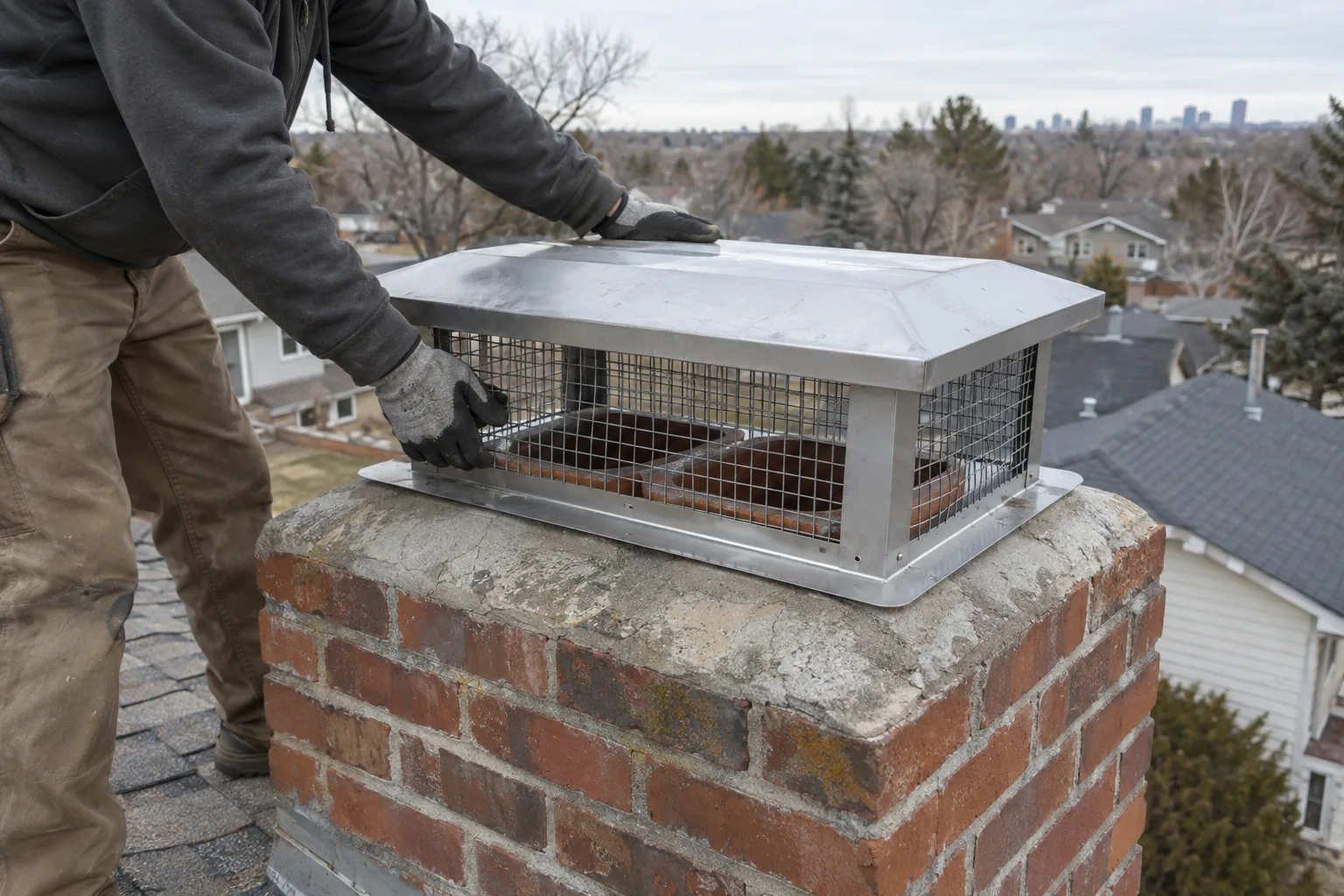
The replacement cap is fitted to the measured dimensions, not adapted, not shimmed. The cap base is set onto the flue tile and fastened with stainless screws, and crown contact points are sealed with a chimney-rated sealant.
Multi-flue caps are positioned so the skirt extends evenly over the full crown surface. We verify both flue openings sit fully within the cap's coverage before sealing. On older homes, this sometimes reveals an undersized crown, and we communicate that finding before proceeding.
-
3
Final inspection
Once the cap is secured, we run a visual inspection from the roof line and from ground level. The cap should sit level, with no visible tilt or gap at the base, and mesh panels should be intact on all sides.
The homeowner receives a summary of what was installed and what material was used.
Areas we serve in the Denver Metro
AR Chimney Pros reaches chimney cap jobs across Lakewood, Wheat Ridge, Arvada, Englewood, Littleton, Golden and Morrison.
We also serve Denver, Aurora, Westminster, Thornton, Highlands Ranch, Centennial, Broomfield, Boulder and communities further out including Evergreen, Conifer, Castle Rock and Parker. Our 20 person crew dispatches from our Lakewood location on W Cedar Dr.
- Lakewood
- Wheat Ridge
- Arvada
- Englewood
- Littleton
- Golden
- Morrison
- Denver
- Aurora
- Westminster
- Highlands Ranch
- Evergreen
Related installations and upgrades
If your crown or chase cover needs attention alongside the cap, these are the next steps.
Frequently asked questions
Cap questions we answer most often on the phone.
How much does chimney cap installation cost in Lakewood, CO?
Cap material (galvanized, stainless or copper) and single versus multi-flue configuration both affect the final cost. AR Chimney Pros measures your flue dimensions before quoting, so the number you receive reflects your actual chimney, not a generic estimate. Call 720-608-7668 for a direct quote.
How long does a chimney cap replacement take on the day of service?
Most single-flue cap replacements are completed in under two hours. Multi-flue configurations take longer because the full crown must be measured and the cap seated evenly across both openings. Our crew arrives with stainless and copper cap options on hand, so there's usually no second trip for material.
Why does it matter that you measure the flue tile before ordering the cap?
An improperly sized cap leaves gaps at the base where rain, debris and animals can still enter. Many replacement caps are sized by approximation, which is how older homes in Jefferson County ended up with undersized caps that failed before the next hailstorm. We measure the interior flue tile dimension and the crown width directly, then fit the cap to those exact numbers.
Do I need a spark arrestor on my chimney cap, or is that only for wooded areas?
Spark arrestor mesh is required in Colorado's designated wildfire-interface zones. Communities near Evergreen, Conifer and similar foothill areas fall under that designation. Before installation, we confirm whether your property requires a spark arrestor. If it does, the mesh is included and verified as part of the cap installation, not added as a separate charge after the fact.
My galvanized cap isn't visibly rusted yet. Do I actually need to replace it now?
Visible rust is the final stage, not the first warning. Galvanized caps in the Denver Metro typically show mesh warping and micro-cracking from hail impact well before surface rust appears. By the time rust is visible from the ground, water has often already entered the flue. A roof-level inspection confirms the cap's actual condition.
What's different about installing a multi-flue cap versus two separate caps?
A single properly sized multi-flue cap covers both openings on a shared crown with no gap between them. Two adjacent single caps leave a seam down the middle, and that seam is a direct entry point for water and debris. We size the multi-flue cap as one unit, seat it flush across the full crown surface, and seal both contact points. No adapters, no shortcuts.
More questions about your system? Read the full FAQ.
Ready to get your chimney cap replaced or installed?
A properly fitted chimney cap in Lakewood protects your flue through hail season, fire season and every freeze-thaw cycle in between.
Call AR Chimney Pros at 720-608-7668 or email info@archimneypros.com to schedule your cap installation or replacement. Tell us how many flues you have and we'll get a crew out to measure and handle the rest.