
Fireplace Cleaning in Lakewood, CO
Most homeowners have never had the smoke shelf cleaned. It collects what the flue drops.
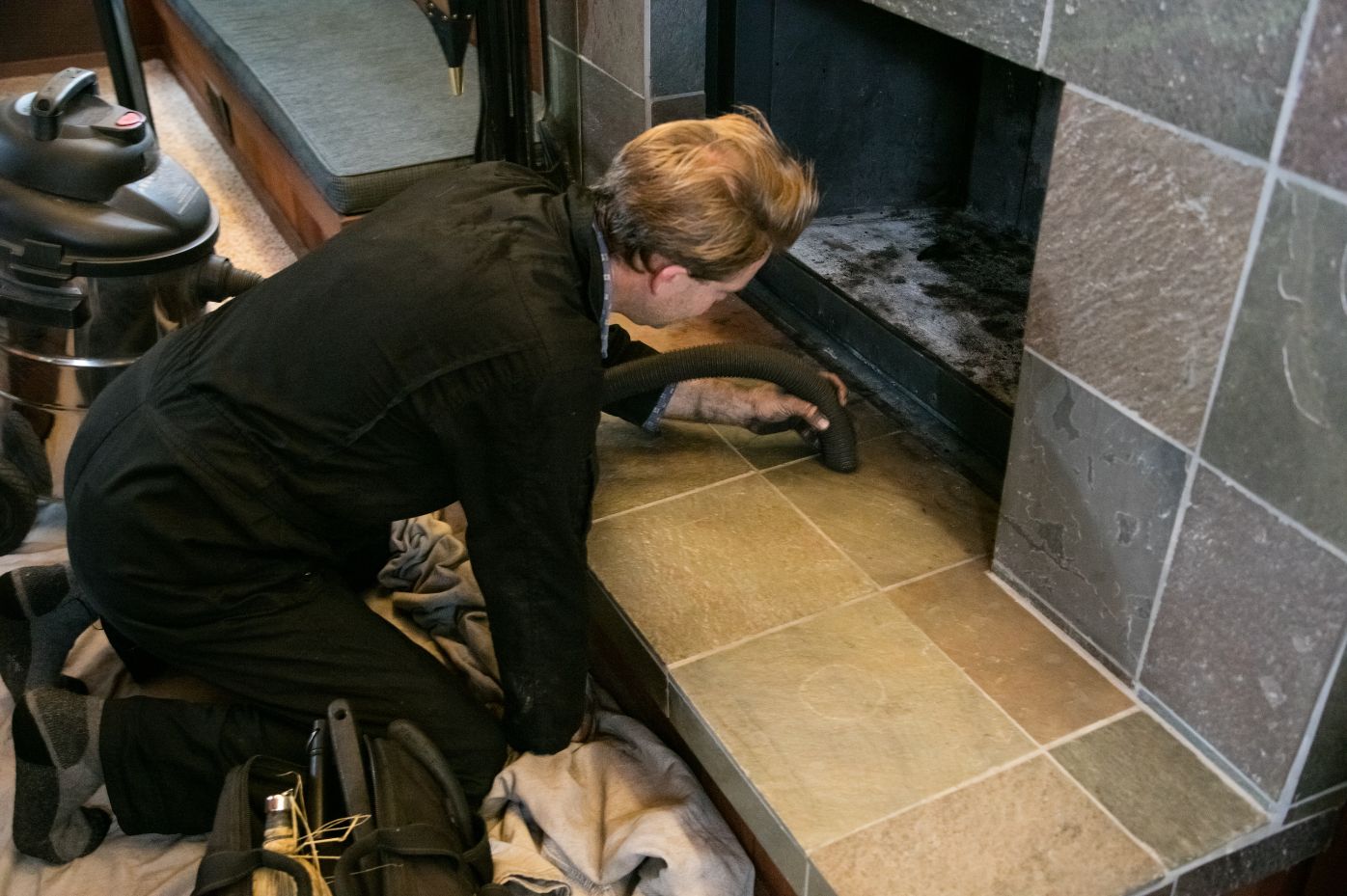
A complete fireplace cleaning covers the firebox walls, the smoke shelf, the ash dump and the glass door panels, all in one appointment.
Dispatching from 12640 W Cedar Dr, Unit 7, Lakewood.
Covered every visit
- Firebox walls brushed and vacuumed
- Smoke shelf cleared, not skipped
- Ash dump checked and cleared
- Glass door panel cleaned last
A full cleaning covers more than the walls you can see
A complete fireplace cleaning addresses every surface that touches combustion airflow, not just the visible ones.
Most fireplace cleanings stop at the firebox walls. That's the enclosed combustion chamber, the box where wood burns, lined with refractory brick (high-density, heat-rated brick designed to absorb and retain extreme heat). The walls get brushed. The ash gets swept. The job looks finished.
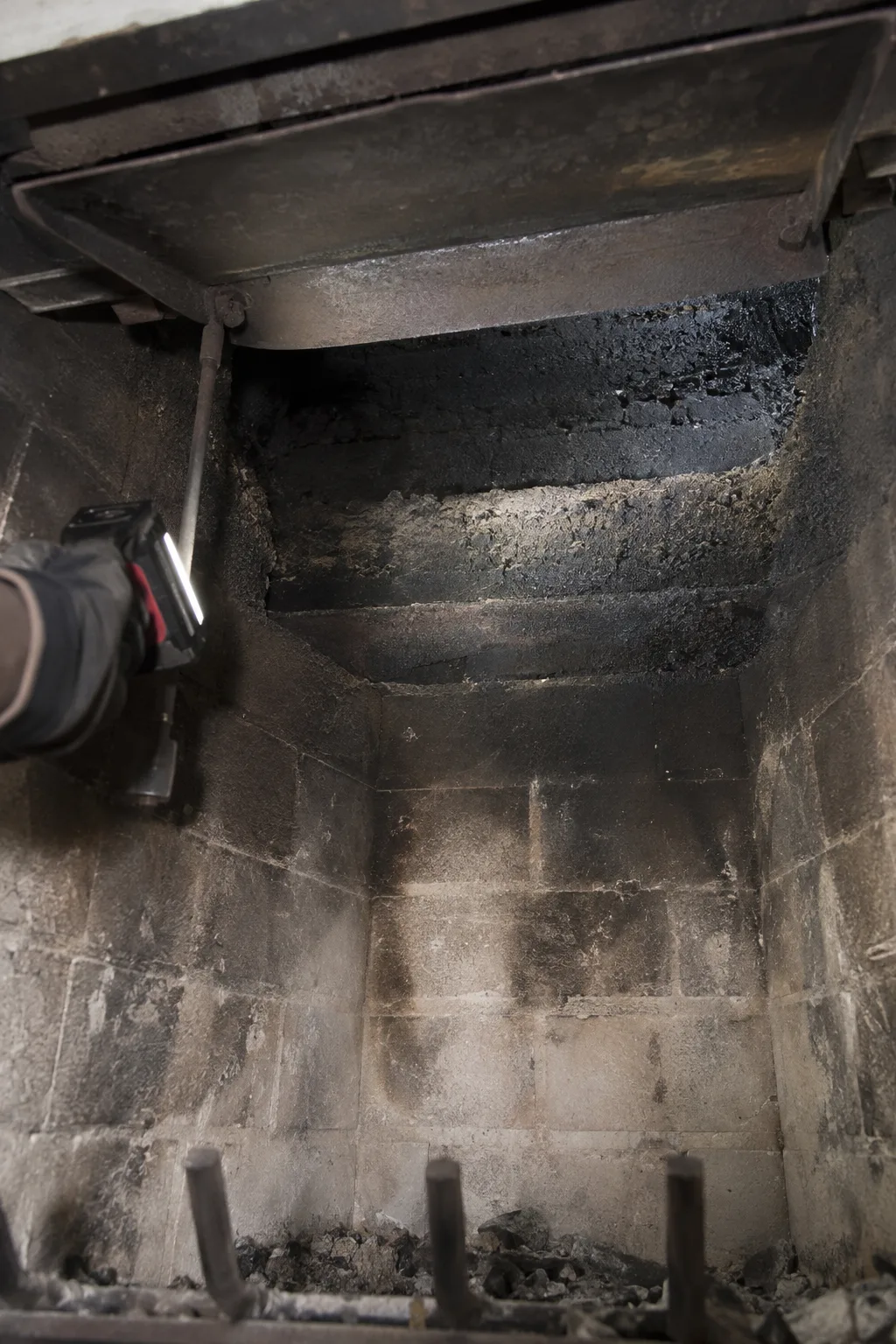
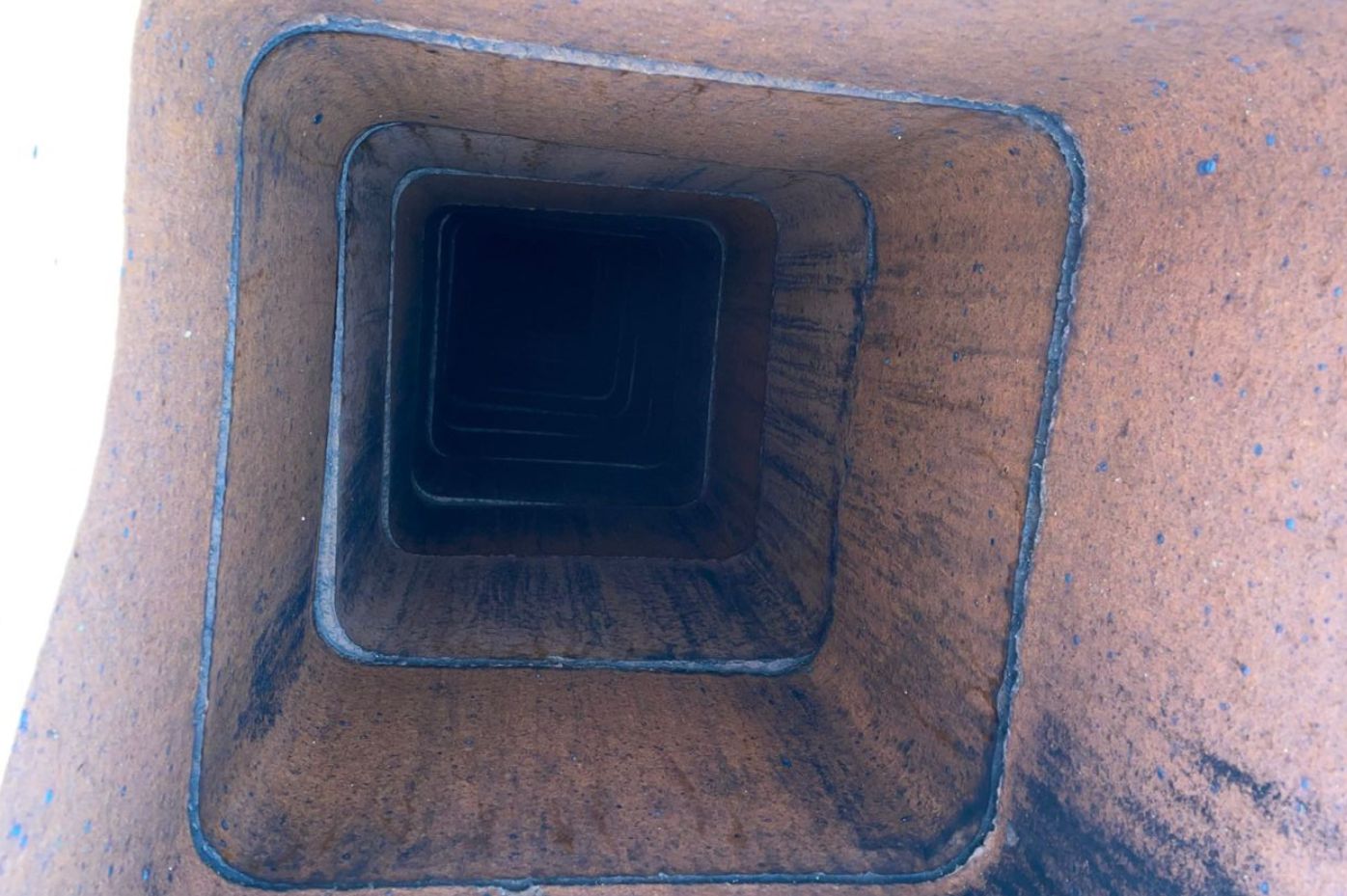
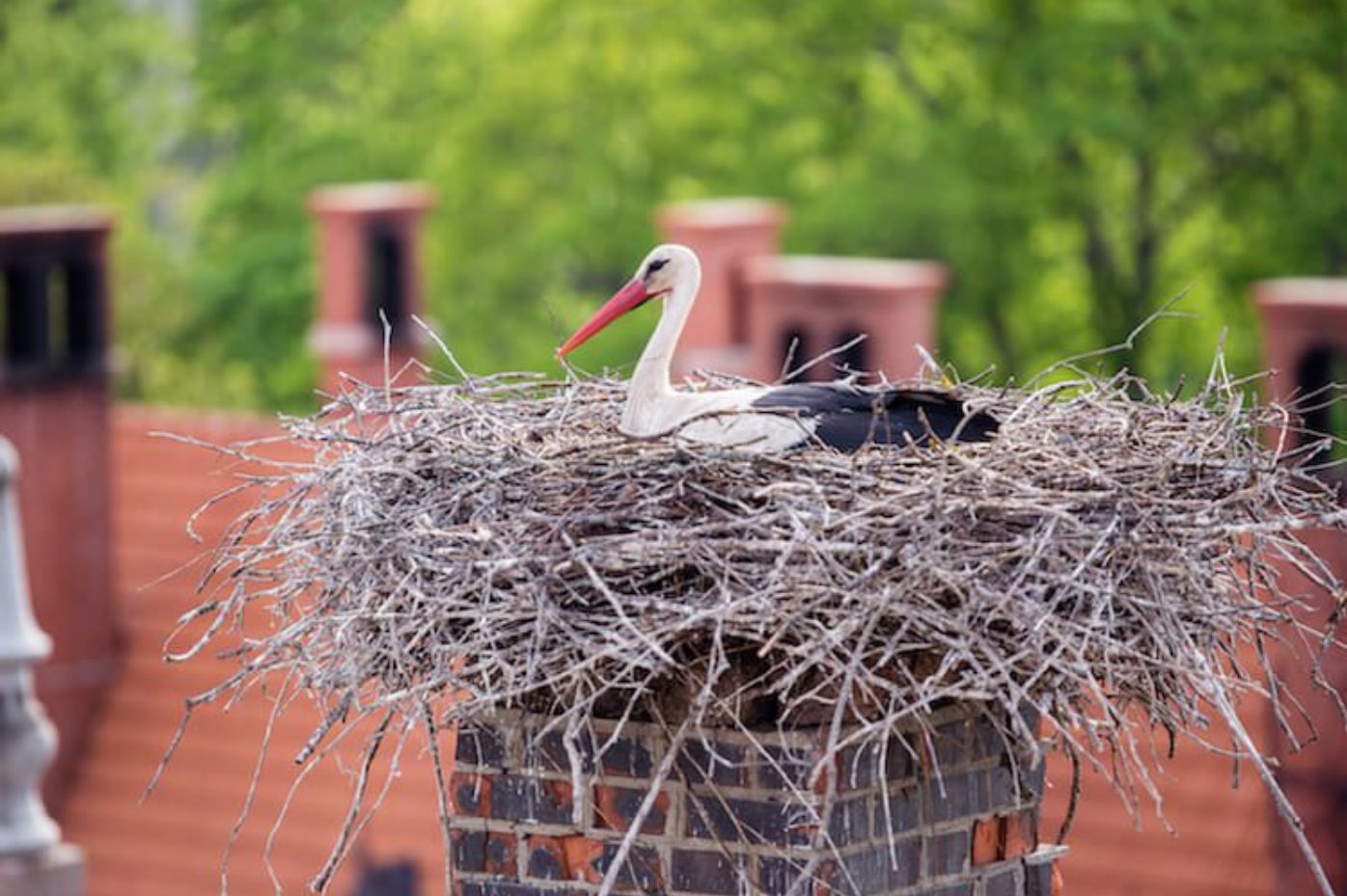
But the smoke shelf sits right above the throat damper, and it collects everything the flue above it drops. Creosote drips down. Rain carries debris. Birds nest and leave material behind. Most homeowners have never looked up past the damper, and many have never heard the term "smoke shelf" at all.
At AR Chimney Pros, a fireplace cleaning in Lakewood covers the firebox walls, the smoke shelf, the ash dump and the glass door panels. Every surface. One appointment. Documented before we leave.
Lakewood fireplaces build soot differently
Denver Metro's wood-burn season runs long and cold, and that changes how soot accumulates.
Lakewood sits at just over 5,400 feet. The burning season here typically stretches from October into March, sometimes April. That's five to six months of regular fires, longer than most of the country runs its fireplaces.
Here is what most homeowners don't realize about high-altitude burning: cooler flue temperatures at elevation mean incomplete combustion happens more often. Unburned particles deposit on refractory brick and on the smoke shelf faster than in lower-altitude climates.
The mid-century masonry fireplaces common in Belmar, Edgewater and South Lakewood, and in Englewood and Sheridan just south, were built when fireplaces were primary heat sources, not seasonal amenities. They were designed for heavy use, but not for easy cleaning.
Our technicians work these neighborhoods regularly. We know the firebox configurations typical to 1960s construction and what a full season of Colorado burning does to them by February.
- 5,400 ft
- Elevation in Lakewood
- 5 to 6 months
- Typical Colorado burn season
- 4 surfaces
- Cleaned in every appointment
What we found on a South Lakewood job last winter
The smoke shelf on that fireplace hadn't been touched in over a decade, and it showed.
From an AR Chimney Pros field technician
We arrived at a house off Wadsworth in South Lakewood in early February. The homeowner had called because the fireplace was smoking into the room more than usual. She'd had the chimney swept the previous spring, so she assumed the flue was clear.
Looking up past the damper with an inspection light showed the smoke shelf, the horizontal ledge (about four inches deep in most masonry designs) directly above the damper opening, compacted solid. Old nesting material from a previous bird entry, layered over with dry creosote and a season's worth of ash that had drifted down. It wasn't just dirty. It was blocking airflow at the transition point between the firebox and the flue.
The firebox walls themselves weren't the problem. The visible parts looked fine. But the smoke shelf was acting like a partial dam across the draft path.
The smoke shelf was cleaned first: vacuumed out the compacted debris, brushed the surface, checked the damper plate for full rotation. Then came the firebox walls, the ash dump (the small floor-level door that channels ash down to a collection pit below, hers was impacted solid and had never been cleared) and a wipe down of the glass door panels with a ceramic glass cleaner.
That's what a complete cleaning looks like. It's not dramatic. But the homeowner ran the fireplace that same evening with no smokeback for the first time in two winters.
Our standards for every fireplace cleaning
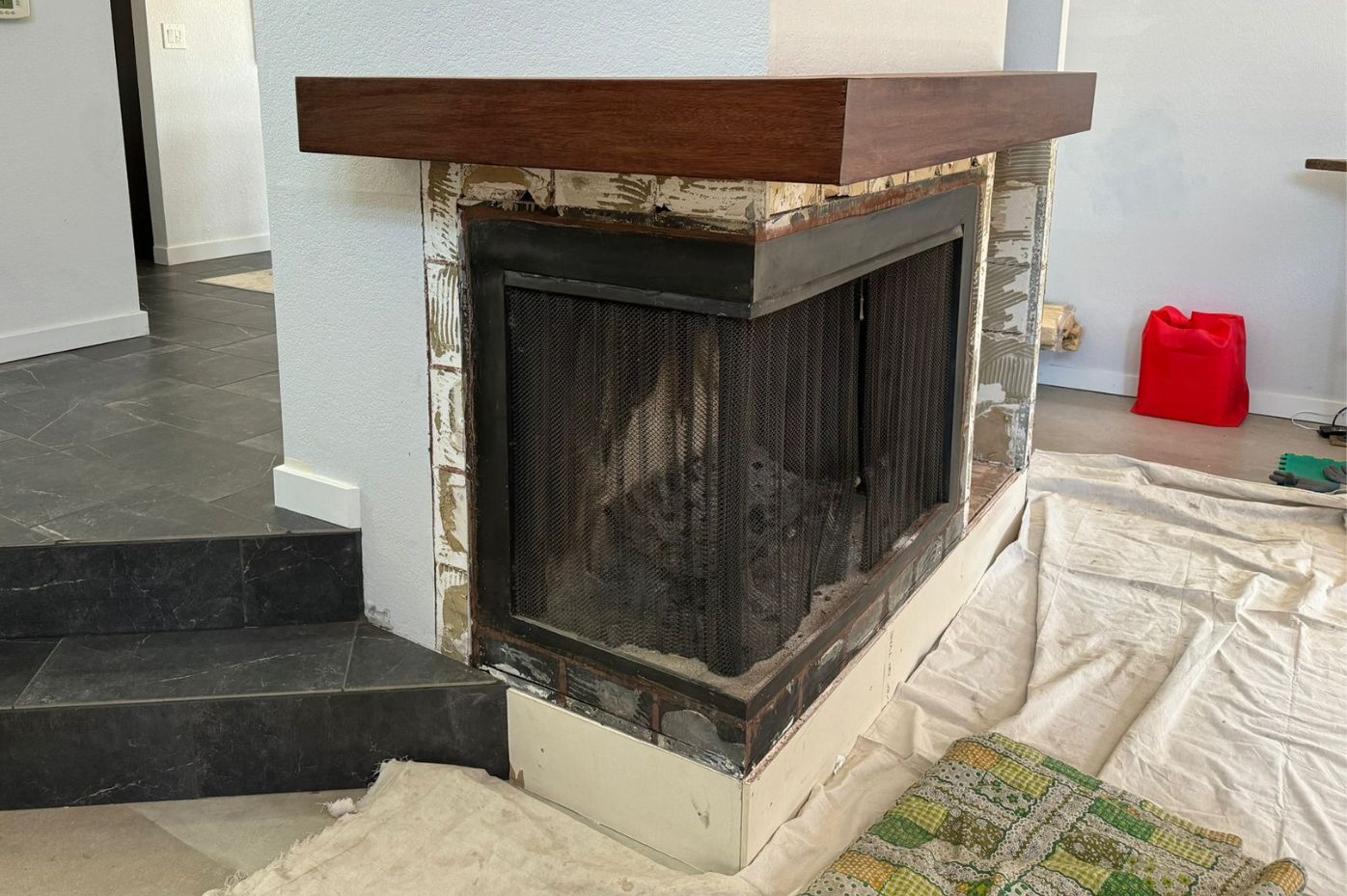
A cleaning appointment shouldn't leave you guessing what got done. We define the scope before we start, and we don't call the job finished until each area meets our documented standard.
Twenty crew members across the Denver Metro means scheduling works around your calendar, not ours.
- Firebox wallsBrushed and vacuumed, refractory brick cleaned without abrasive damage to the panel surface.
- Smoke shelfFully vacuumed, brushed and inspected for creosote accumulation or blockage in the draft path.
- Ash dumpChecked for compaction, cleared if impacted, door plate confirmed operational.
- Glass door panelCleaned with appropriate ceramic glass solution, not household cleaners that leave residue.
- Drop cloths and containmentSet before work begins, removed before we leave.
- Post-clean documentationTechnician notes the condition of each surface at close of appointment.
How a fireplace cleaning appointment works
Three phases, in the same order, on every job.
-
1
Examination before any tools come out
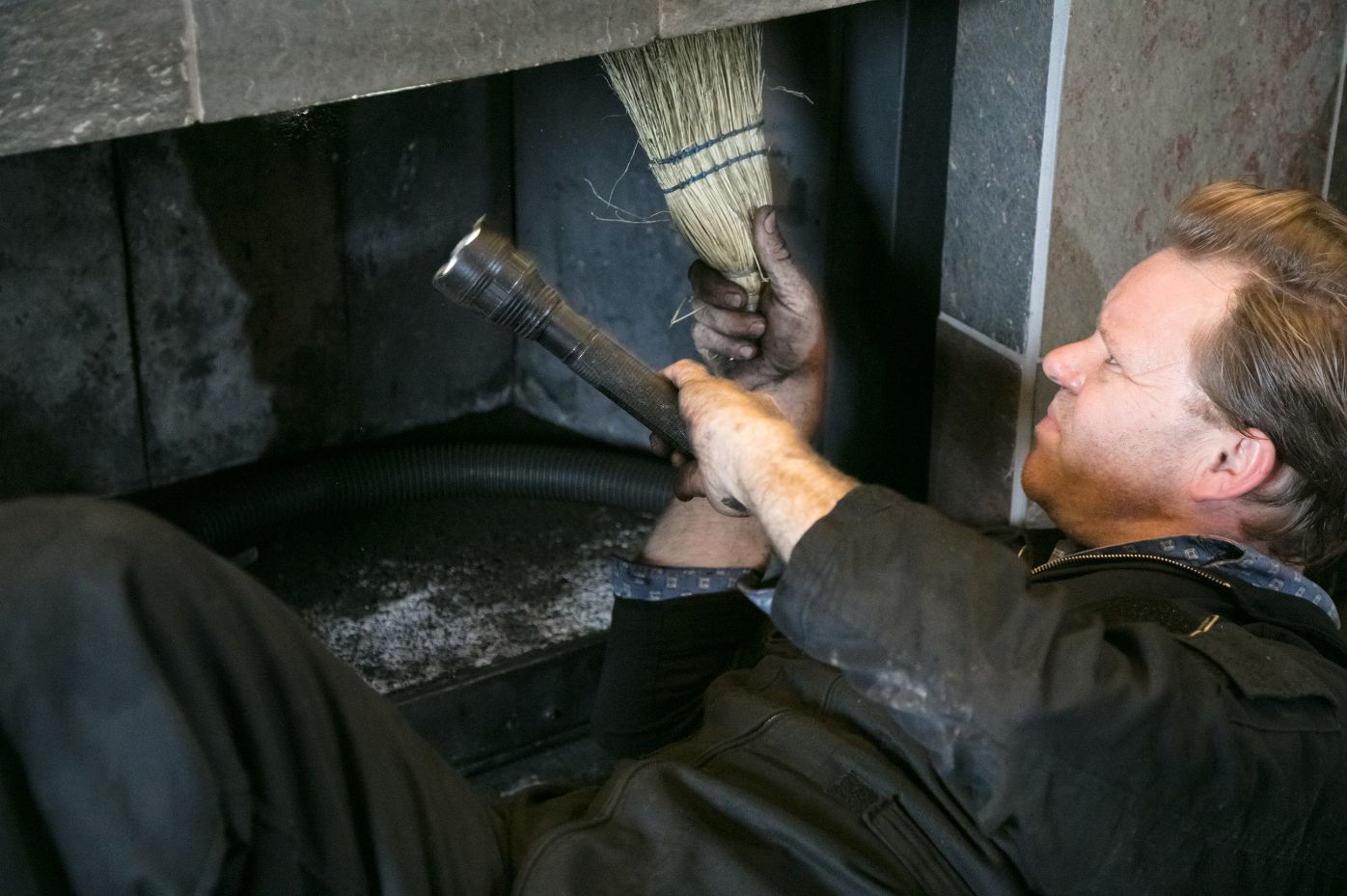
A technician examines each surface with a light and inspection mirror. The smoke shelf gets a direct look. The damper plate is tested for full rotation. The ash dump door is checked. We note what we're walking into before any tools come out, since smoke shelf creosote can vary from dry to glazed and that determines the right tools.
-
2
Surface-by-surface cleaning
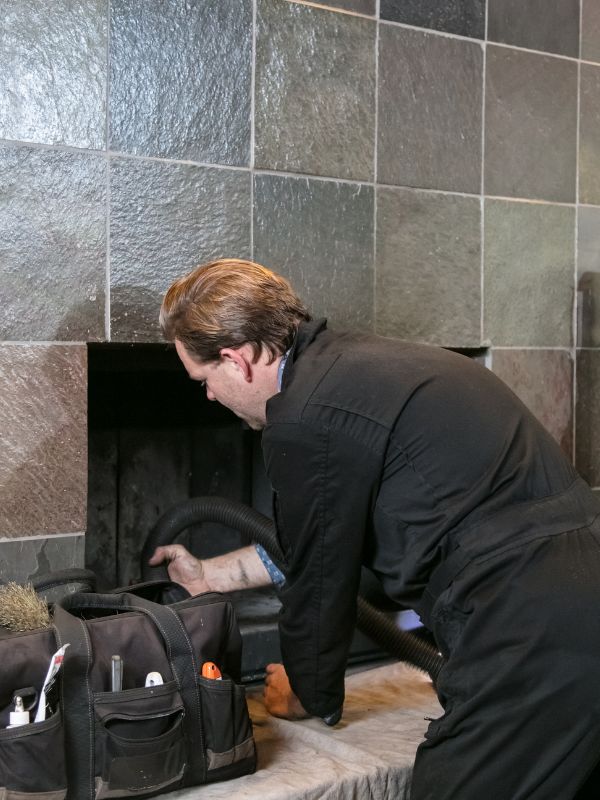
Cleaning begins at the top of the firebox and works down. Drop cloths protect the hearth and surrounding floor. The smoke shelf is vacuumed and brushed first, since debris from above falls during that process. Firebox walls follow. The ash dump is checked and cleared. Glass panels are cleaned last, after all dust-generating work is complete.
-
3
Walkthrough and close
The technician walks through each cleaned surface before closing. The damper is opened and closed to confirm full operation. The smoke shelf is visually rechecked. If anything warrants a follow-up, such as a crack in a refractory brick panel or a damper plate that won't seat fully, it's noted in writing and explained before the technician leaves.
Areas we serve
AR Chimney Pros serves fireplace cleaning customers across a wide range of Denver Metro neighborhoods.
We schedule appointments in Lakewood, Belmar, Edgewater, South Lakewood, Wheat Ridge, Englewood, Sheridan, Denver, Golden, Morrison, Arvada, Westminster, Aurora, Littleton and Highlands Ranch. If you're in Jefferson County or a surrounding area, we likely cover your neighborhood. Call us to confirm.
- Lakewood
- Belmar
- Edgewater
- South Lakewood
- Wheat Ridge
- Englewood
- Sheridan
- Denver
- Golden
- Morrison
- Arvada
- Westminster
- Aurora
- Littleton
- Highlands Ranch
Related cleaning services
If the examination turns up something past the firebox, these are the next steps.
Frequently asked questions
Cleaning questions we answer most often on the phone.
How much does a fireplace cleaning cost in Lakewood, CO?
Pricing for fireplace cleaning varies based on fireplace type and current condition. Call 720-608-7668 for a quote specific to your home.
Does a fireplace cleaning include the smoke shelf, or do I have to request that separately?
The smoke shelf is always included. It is not an add-on. AR Chimney Pros cleans the firebox walls, smoke shelf, ash dump and glass door panels in every standard appointment. The smoke shelf sits directly above the damper and collects creosote, debris and animal material. Skipping it leaves the most critical buildup point untouched. Every surface is documented before the technician leaves.
How long does a complete fireplace cleaning take from start to finish?
Most appointments run between 60 and 90 minutes. That window covers the pre-clean inspection, surface-by-surface cleaning and the final walkthrough. The glass door panels are cleaned last, after all dust-generating work is done. If the ash dump is heavily compacted or the smoke shelf has animal debris, expect the appointment to run toward the longer end.
My firebox walls look clean. Does that mean the whole fireplace is clean?
No. Clean-looking firebox walls often coexist with a heavily loaded smoke shelf. The smoke shelf collects falling creosote and debris from the flue above, and it is not visible without looking past the damper with a light. One South Lakewood home had a completely compacted smoke shelf after years of missed cleanings, even though the visible firebox walls appeared fine.
What's different about AR Chimney Pros' fireplace cleaning compared to a basic sweep?
A standard chimney sweep focuses on the flue. A fireplace cleaning at AR Chimney Pros targets the firebox system, walls, smoke shelf, ash dump and glass panel, as a defined scope with documented results. Twenty crew members serve the Denver Metro regularly, and technicians are familiar with the 1960s masonry firebox configurations common across the Lakewood area and what a full Colorado burn season does to them.
Do I need to clean out the ash myself before the technician arrives?
Leave the ash in place. The technician clears the ash dump and firebox floor as part of the appointment scope. Removing ash beforehand is not necessary and does not change the appointment or its cost. Just make sure the fireplace has been cold for at least 24 hours before the scheduled visit.
More questions about your system? Read the full FAQ.
Book your fireplace cleaning in Lakewood
A complete fireplace cleaning puts every surface in documented condition, before winter or after it ends.
Call AR Chimney Pros at 720-608-7668 or email info@archimneypros.com to schedule your appointment. You can also use the booking form on our contact page. Tell us your address, your fireplace type and the best time to reach you, and we'll confirm your window and the crew assigned to your area.