
Colorado Chimneys Attract Starlings, Swifts, Raccoons and Wasps
Each animal gets into a flue for a different reason, and each one calls for a different response.
Federal law restricts chimney swift nest removal while the nest is active. We navigate that timeline for you, and every removal visit includes a same-day check of how the animal got in.
Dispatching from 12640 W Cedar Dr, Unit 7, Lakewood.
Included every visit
- Full roof access, not a ground level guess
- Nest and debris removal from the flue interior
- Written record of the entry point found
- Cap or screening fix in the same appointment
Removal isn't finished until the entry point is fixed
Animal removal from a chimney isn't complete until the entry point is addressed.
AR Chimney Pros handles wildlife and pest removal for homeowners across Lakewood and the western Denver Metro. We remove the animal, the nest or the colony. Then we inspect the cap, the screening and the flue opening to find the wildlife access point, the specific gap, crack or opening that allowed entry. Both steps happen in the same appointment. You don't schedule a removal and then schedule a separate visit to fix the cap.
This page covers standard, non-emergency animal and pest removal. If an animal breach is creating an active flue blockage that affects heating system venting right now, that situation is handled under our emergency chimney services.
See emergency chimney servicesFour animals, four different signs
Colorado chimneys face real wildlife pressure from four distinct species. Each one leaves a different sign, and each sign points at a different part of the chimney. Open a row to see what we check.
CapChittering at dusk, birds spiraling into the flue top
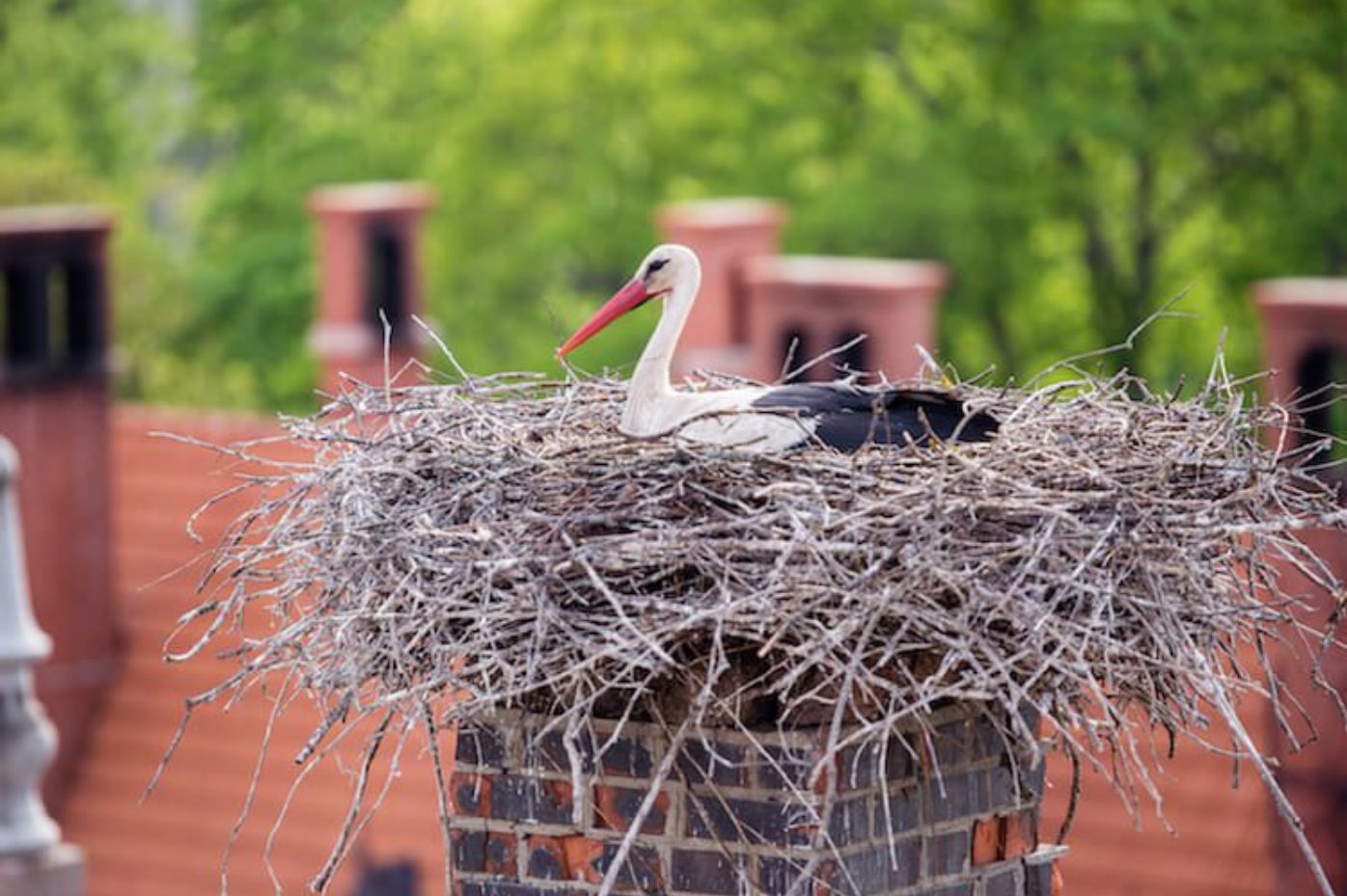
Chimney swifts gather in groups and drop straight into an open flue top. A federally protected species, they cannot be removed while a nest is active. We confirm the nest's stage and plan the cap work around the legal timeline.
Chimney cap installationCrownA papery colony built around the opening
Paper wasps build around the crown opening or just inside the flue. You may not hear buzzing until the damper is opened. We treat the opening area and remove the colony in the same visit.
Crown installationFlashingA gap that looks fine from the ground
Rust-through in cap mesh and flashing is often invisible from the yard. It's the most common access point we find, which is why every visit includes a full roof assessment, not just a ground-level look.
Leak repairFlue linerFast scratching and skittering, usually in early spring
European starlings push nesting material deep into the liner. Left in place, it becomes a full flue blockage by the time you light a fire. We remove all nesting material, not just what's visible from the top.
Flue cleaningSmoke chamberHeavier thumping and rolling, most active at night
Raccoons favour the wider cavity above the firebox. Heavier movement and occasional low vocalizations are the giveaway. Removal here needs full roof access, not a reach-in from the firebox.
Full chimney repairDamperDraft loss after debris builds up below
Nesting debris that settles near the damper restricts draft even after the animal is gone. We clear it fully and confirm draft is restored before we leave.
Draft analysisOne note on chimney swifts
The Migratory Bird Treaty Act is a federal law protecting certain bird species, including chimney swifts, from removal or disturbance while actively nesting. We cannot legally remove an active swift nest during nesting season. We assess the situation and tell you exactly where the nest is in its cycle and what the legal timeline looks like for removal.
What a Lakewood removal visit revealed last spring
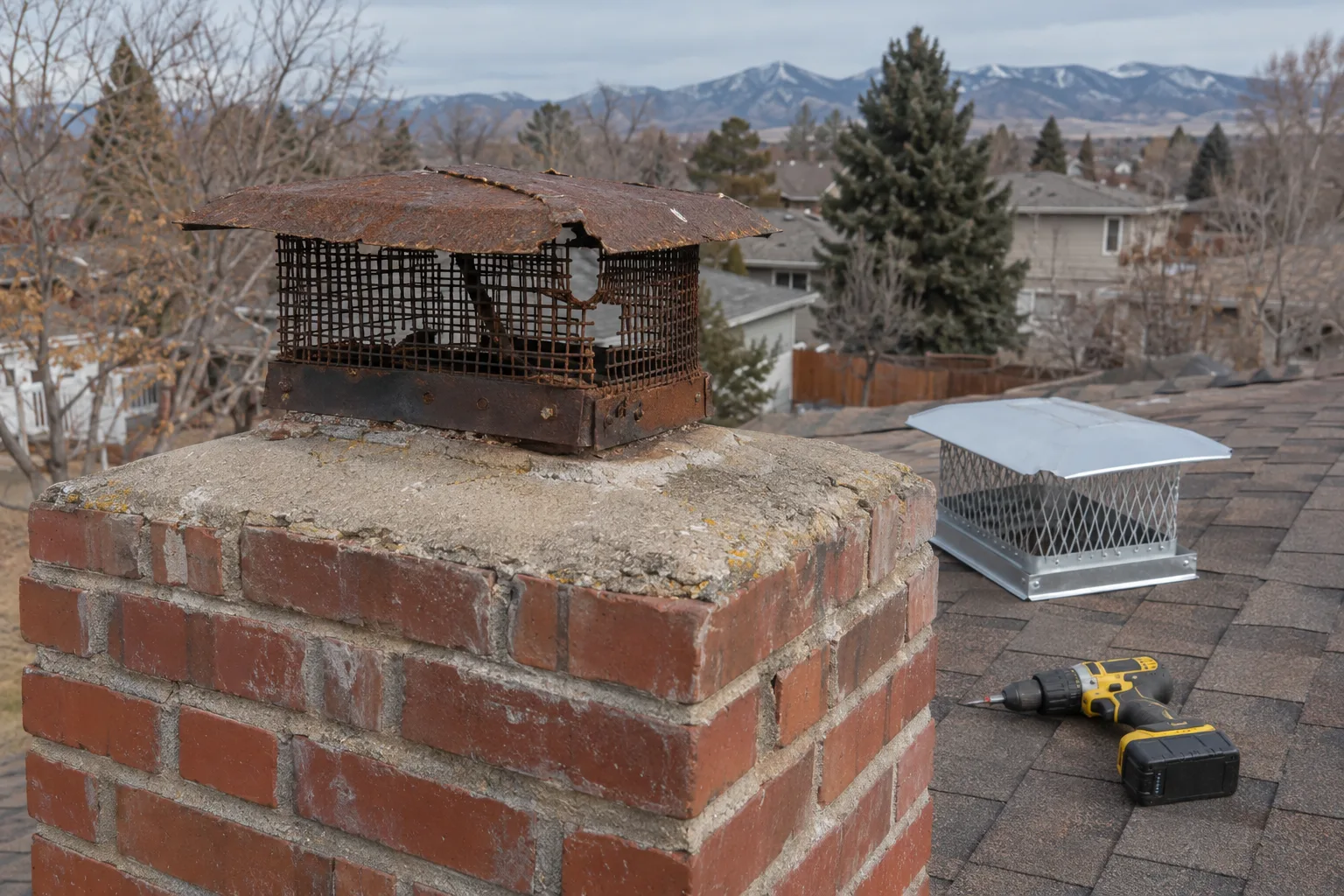
Here's a real visit that showed why the cap assessment matters as much as the removal itself.
One of our technicians who handles animal removal calls across Lakewood and Wheat Ridge got a call last April from a homeowner off Kipling Street. She'd heard scratching for about two weeks and assumed it was a squirrel, since they're common in that corridor near Maple Grove Reservoir.
On the roof, the technician found a starling nest pushed about 14 inches into the flue: dense nesting material of twigs, dried grass and a few feathers. A classic chimney flue blockage, a full obstruction of the flue caused by nesting material, that would have killed draft completely if she'd lit the fireplace that fall.
The part that mattered more: the chimney cap screening, the mesh barrier built into the cap to block animal entry, had a section of rusted through mesh about three inches wide on the south facing side. That was the wildlife access point. A replacement cap with tight gauge stainless steel mesh went on that same afternoon.
She asked how the starling got in when the cap looked intact from the ground. It looked fine from the ground. That rust through was invisible from the yard. That's exactly why we do the roof assessment every single time, not just the removal.
Finding a protected species doesn't mean you're stuck
Chimney swifts nest from late April through mid August. During that window, federal law prohibits disturbing an active nest.
We won't remove an active nest, but we will give you a clear plan.
We document the nest location, assess the condition of the cap and screening around it, and schedule the removal for immediately after the nesting cycle ends, typically late August or September in Colorado. This protects you legally and protects the birds. It also means your flue is ready to cap and seal before the heating season starts.
We've handled this sequence for homeowners in Lakewood, Morrison and Edgewater. The timing works if you start the conversation early.
Our standards for every removal visit
Every removal visit at AR Chimney Pros follows a consistent set of non-negotiables.
- Full roof access on every visitNo assessments done from ground level only.
- Nest and debris removal from the flue interiorNot just the top of the flue.
- Paper wasp nest removalIncluding treatment of the flue opening area.
- Written documentation of the entry pointThe wildlife access point found on site, noted in writing.
- Cap and screen inspection with specific findingsNot a general "looks okay."
- Same visit re-entry preventionCap replacement, screening repair or flue sealing as appropriate, scoped to the specific animal found.
Cap screening replacements use tight gauge stainless steel mesh, not wider gauge aluminum screening that corrodes within a season or two in Colorado's UV heavy climate.
How the removal appointment works
The visit runs in two phases: removal first, then prevention assessment.
-
1
Diagnostics and removal
We start on the roof. Cap condition, screening integrity and the flue opening are examined before we go inside. We use a flue camera when nest depth or blockage location is unclear. The animal or nest is removed completely, including all nesting material from the upper flue section.
-
2
Re-entry prevention
After removal, we assess every wildlife access point on the structure: the cap, the screening and any visible gaps or rust through in the cap perimeter. If the cap needs replacement, we install it before we leave. If the flue screening needs repair or upgrade, we complete it on the same visit.
-
3
Post service documentation
You receive a summary of what was found, what was removed and what prevention measures were installed. If a protected species was involved, that's documented with the nest status and the scheduled follow up date.
Areas we serve
AR Chimney Pros serves Lakewood and the surrounding communities across the western Denver Metro.
We work in Lakewood, Wheat Ridge, Arvada, Morrison, Edgewater, Golden, Englewood, Littleton, Denver and the foothills adjacent neighborhoods along western Jefferson County. We also serve Aurora, Westminster, Thornton and Boulder. Call us at 720-608-7668 to confirm service at your address.
Dispatch area
- Lakewood
- Wheat Ridge
- Arvada
- Morrison
- Edgewater
- Golden
- Englewood
- Littleton
- Denver
- Aurora
- Westminster
- Thornton
- Boulder
Related cleaning services
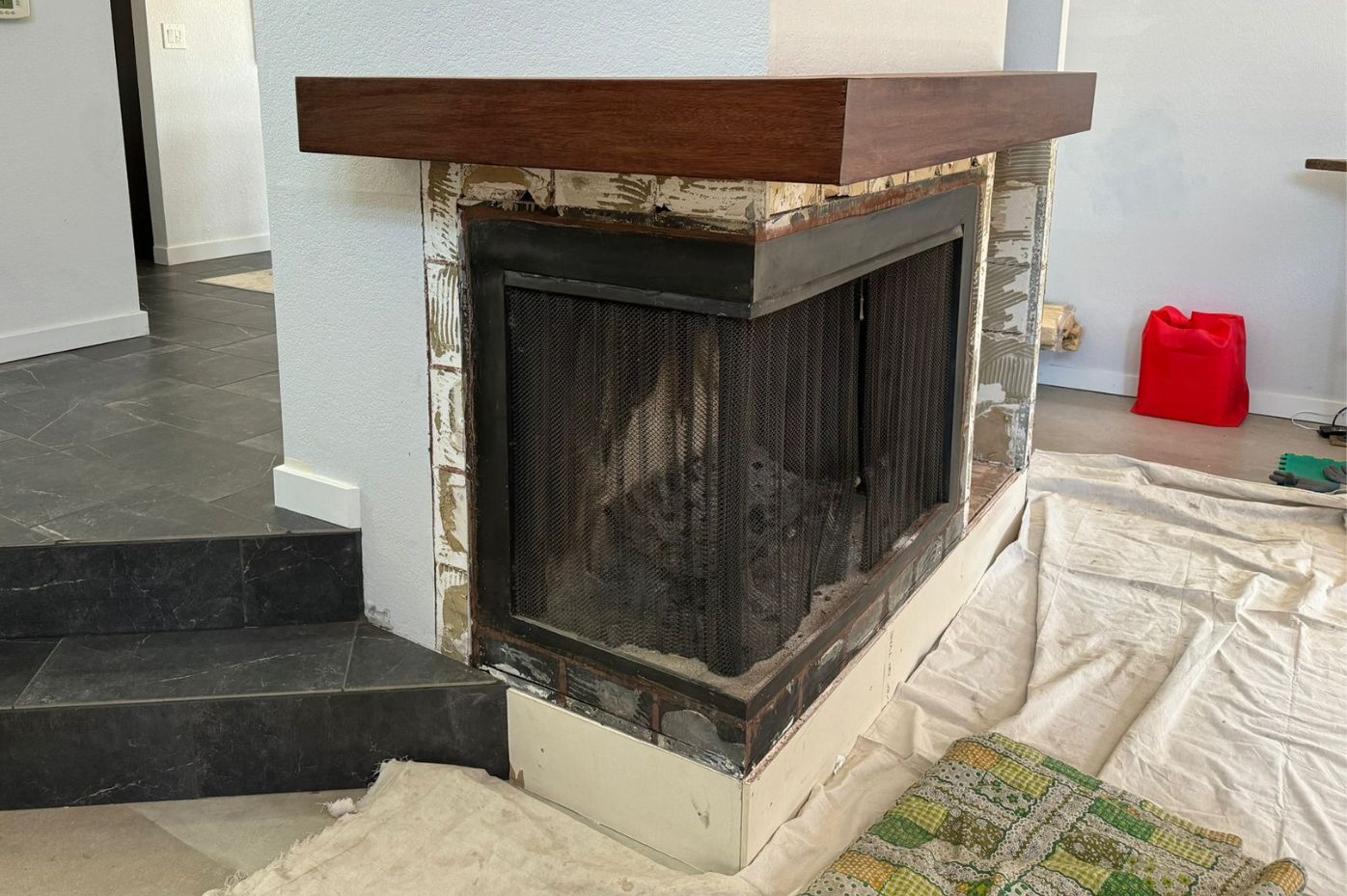
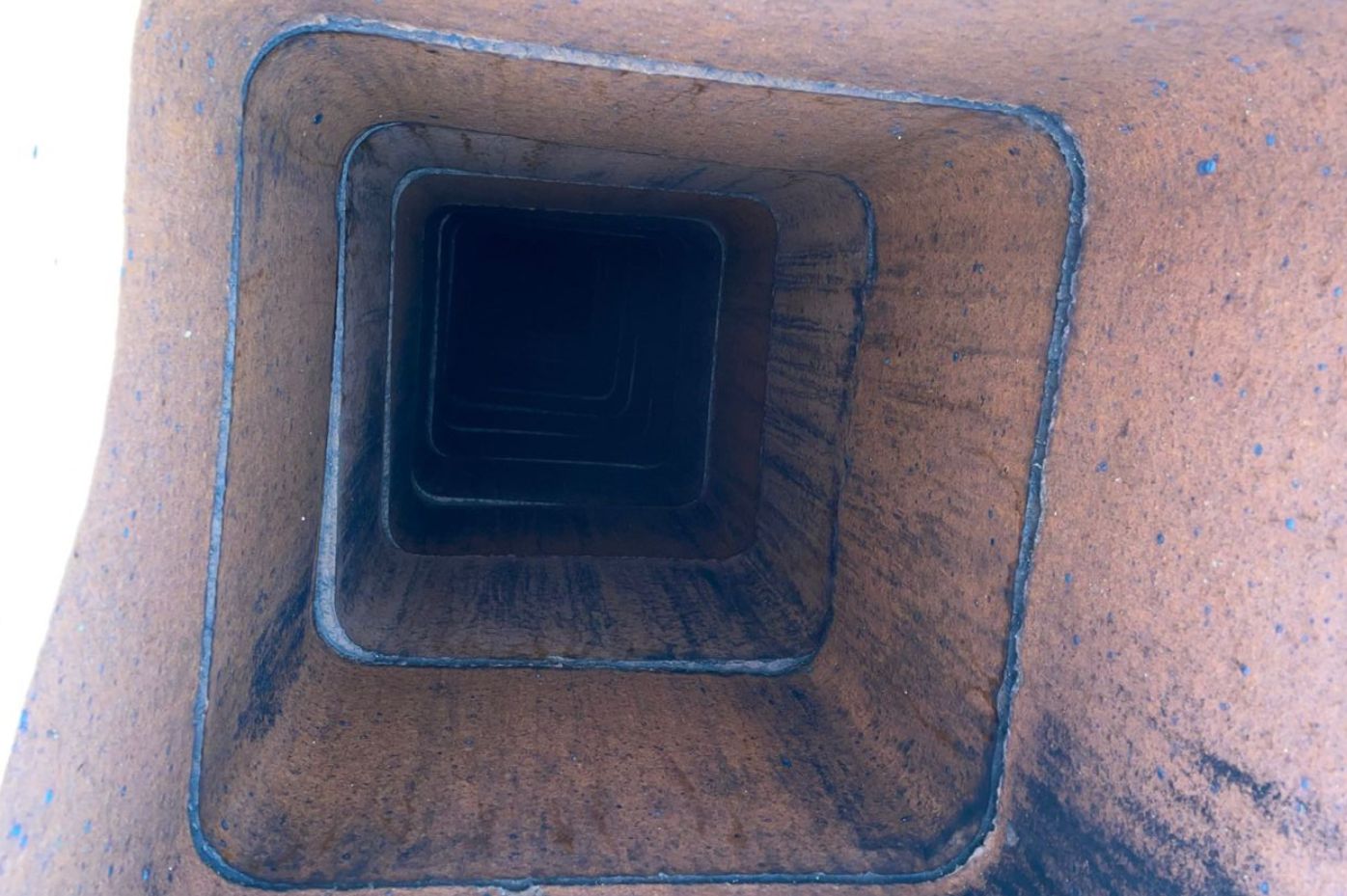
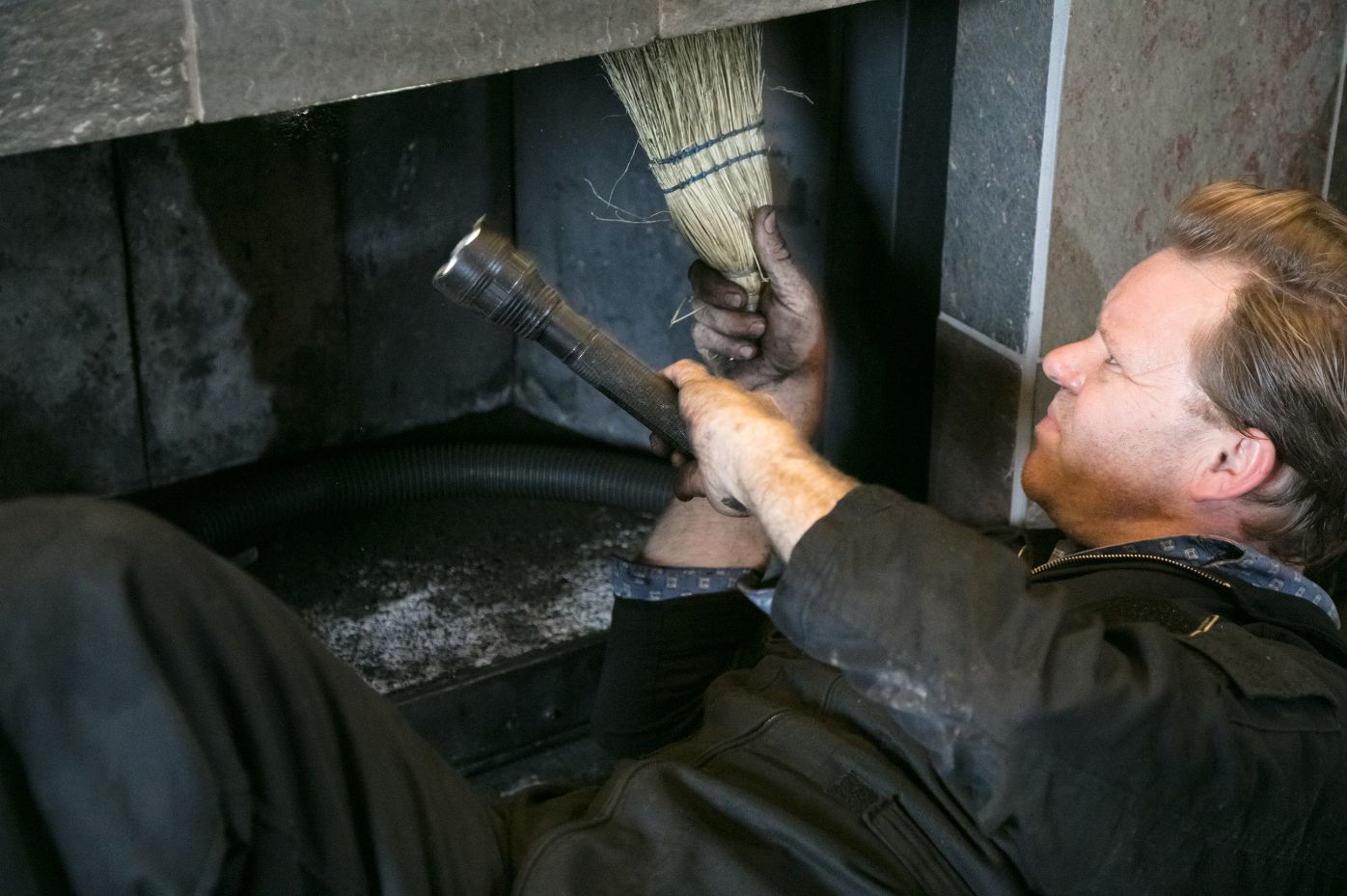
If nesting debris has reached the firebox or the flue needs a full sweep after removal, these are the next steps.
Frequently asked questions
Animal removal questions we answer most often on the phone.
How much does chimney animal removal cost in Lakewood?
Cost varies by species, nest depth and whether cap replacement is needed on the same visit. Call 720-608-7668 for a direct quote based on what you're hearing and your chimney's access conditions.
Can chimney swifts be legally removed from my flue right now?
Active chimney swift nests cannot be legally removed. Federal law prohibits disturbing them during nesting season. The Migratory Bird Treaty Act protects chimney swifts from late April through mid August. We document the nest, assess your cap and screening, and schedule removal for immediately after the nesting cycle ends, typically late August or September in Colorado.
What's the difference between this and an emergency call?
Standard removal covers wildlife and pests that have nested but aren't actively blocking your heating system right now. If an animal breach is causing immediate flue obstruction that affects your furnace or fireplace venting today, that falls under our emergency chimney services. Same crews, different scope and urgency.
See emergency chimney servicesDo you remove the nest material too, or just the animal?
All nesting material is pulled from the upper flue section, not just the animal itself. Leaving nesting debris creates a chimney flue blockage, a partial or full obstruction that kills proper draft when heating season starts. We remove everything and document the wildlife access point before we leave.
How long does the removal appointment take?
Most visits wrap in two to three hours, covering both phases. Phase one is roof access, camera scan if needed, and full nest removal. Phase two is cap inspection, screening assessment and same visit installation of any replacement hardware. If a protected species complicates the timeline, we explain that before any work begins.
Why does the cap inspection matter if the animal is already out?
Removing the animal without fixing the entry point means the next one moves in within weeks. Every wildlife access point, the specific gap, crack or rust through that allowed entry, is identified and documented on site. Cap screening replacement uses tight gauge stainless steel mesh, not aluminum screening that corrodes within a season or two at Colorado's elevation.
More questions about your system? Read the full FAQ.
Schedule your chimney animal removal in Lakewood
Removal and re-entry prevention, both in one appointment, one call to set it up.
AR Chimney Pros is based in Lakewood at 12640 W Cedar Dr, Unit 7. Call 720-608-7668 or email info@archimneypros.com to schedule. Tell us what you're hearing and when it started. We'll identify the likely species and get a technician out to assess the situation.