Is Creosote Removal in Lakewood Colorado Worth It? An Honest Look
The short answer
Yes, creosote removal in Lakewood is worth it. Creosote is the leading cause of chimney fires, and third-degree glazed creosote cannot be swept away with a standard brush - it requires chemical treatment or professional scraping. The cost of removal is a fraction of what a chimney fire or flue liner replacement runs. If you burn wood regularly, it's not optional maintenance.
Learn more about chimney cleaning Denver Metro
Learn more about chimney cap installation Denver in Arvada, CO
Learn more about fireplace inspection Lakewood CO in Denver, CO
Answered by AR Chimney Pros Team, Chimney specialists at AR Chimney Pros
| What creosote is | Combustion byproduct that coats flue walls; builds up in three degrees of severity |
|---|---|
| When it becomes dangerous | Any stage, but Stage 3 glazed creosote is highly flammable and hardest to remove |
| Recommended cleaning frequency | At least once a year for active wood burners, per NFPA 211 |
| DIY limitation | Standard chimney brushes cannot remove glazed (Stage 3) creosote |
| Colorado factor | High altitude and cold drafts increase creosote formation rates |
Questions about your chimney? Call 1 720-608-7668
What exactly is creosote and why does it form?
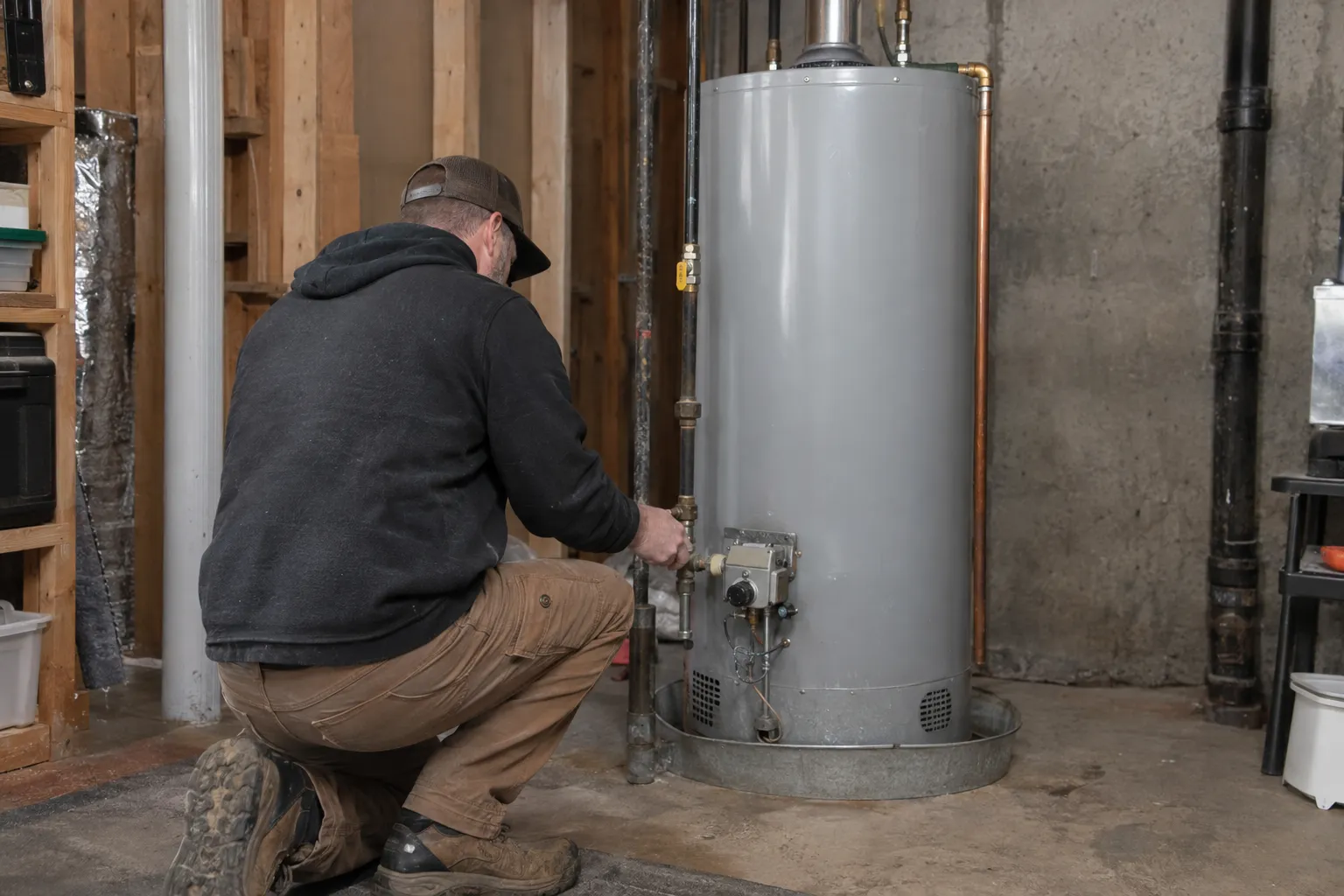
Creosote is a tar-like residue left behind when wood smoke cools against your flue walls before it fully exhausts out the top of the chimney.
When wood burns, it releases water vapor, unburned carbon particles, and volatile gases. If those gases cool below roughly 250°F before leaving the flue, they condense and stick to the liner. That sticky film is creosote. Every wood fire produces some creosote - the question is how much and how fast it builds.
The main causes of rapid buildup are burning wet or unseasoned wood, restricted air supply, and an oversized flue that lets smoke slow down and cool too early. In practice, we see the worst cases in homes where the fireplace damper is barely cracked open or where the firebox is loaded with wood that hasn't had enough drying time.
What are the three stages of creosote - and which is dangerous?
All three stages are flammable and all three should be removed, but Stage 3 glazed creosote is the most hazardous and the most difficult to deal with.
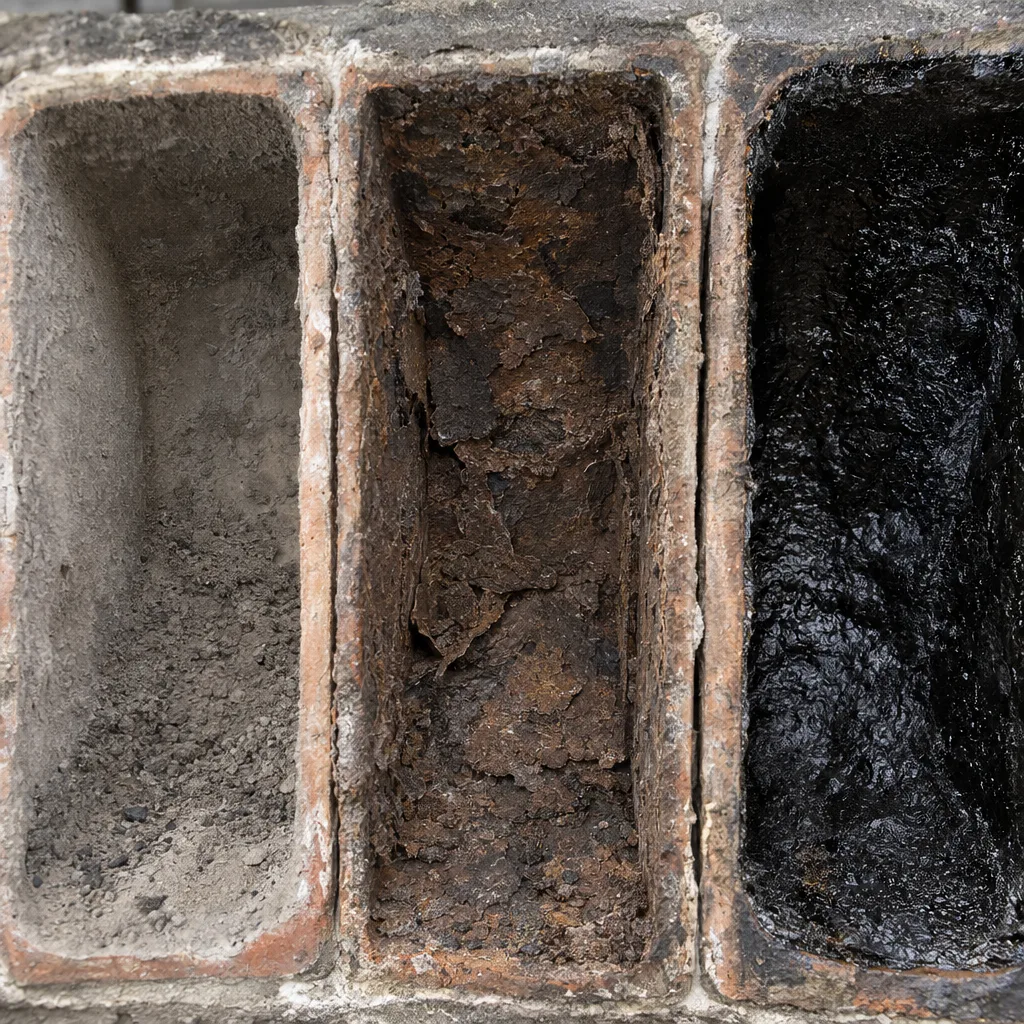
Here is what each stage means in practical terms:
- Stage 1 (dusty or flaky): loose soot and light deposits. Removed with a standard chimney brush during a routine cleaning. Normal to see after a season of regular burning.
- Stage 2 (tar-like or crunchy flakes): thicker, harder deposits. A rotary cleaning system or stiff-bristle power brush can tackle most of it, but it takes more time than a Stage 1 sweep.
- Stage 3 (glazed): a hard, shiny coating that looks almost lacquered. It forms when Stage 2 is heated repeatedly. Standard brushes do nothing to it. Removal requires a chemical treatment that converts it back to a removable ash, followed by mechanical scraping. In bad cases, the liner may need replacement.
A chimney fire burning through Stage 3 creosote can reach temperatures above 2,000°F inside the flue - hot enough to crack clay tile liners and ignite nearby framing. The National Fire Protection Association and the Chimney Safety Institute of America both recommend annual inspections specifically to catch buildup before it reaches this stage.
Does living in Lakewood or the Denver Metro make creosote worse?
Yes. Colorado's altitude, temperature swings, and no-burn day patterns all affect how creosote accumulates in local chimneys.
Altitude matters for combustion. At Lakewood's elevation - around 5,500 feet - there is less oxygen per cubic foot of air than at sea level. That thinner air means fires burn less completely, which produces more unburned particles and increases creosote formation compared to a fireplace at sea level burning the same wood.
Cold winters along the Front Range also mean longer, hotter fires and more temperature differential between a warm flue and a cold exterior. That temperature gap is exactly what causes smoke gases to condense faster on liner walls. Add in the freeze-thaw cycles that crack clay liners, and a small creosote issue can migrate into masonry joints more quickly than it would in a milder climate.
Denver Metro's no-burn day program also creates a stop-start burning pattern for many homeowners. When a cold flue is restarted after several days off, the first fires of the session produce heavy condensation until the liner heats back up - which builds creosote faster in the first 20 to 30 minutes of each fire.
Can I remove creosote myself, or do I need a professional?
For Stage 1 deposits, an experienced DIYer with the right brush and drop cloths can do a reasonable job. For Stage 2 or any Stage 3 buildup, a professional is the only practical option.
The limitation with DIY is not just effort - it's diagnosis. A homeowner cleaning from the firebox up can't easily see whether what they're brushing away is Stage 1 flake or whether there's a glossy Stage 3 layer underneath. Missing that distinction is how chimney fires start in chimneys that were "just cleaned."
Chemical creosote removers sold at hardware stores can help with Stage 2 when used correctly over multiple applications, but they are not effective as a one-time fix for glazed Stage 3. The converter products work by changing the chemistry of the deposit so it becomes brittle and can be mechanically removed - that second step still requires the right tools and an understanding of what you're looking at inside the flue.
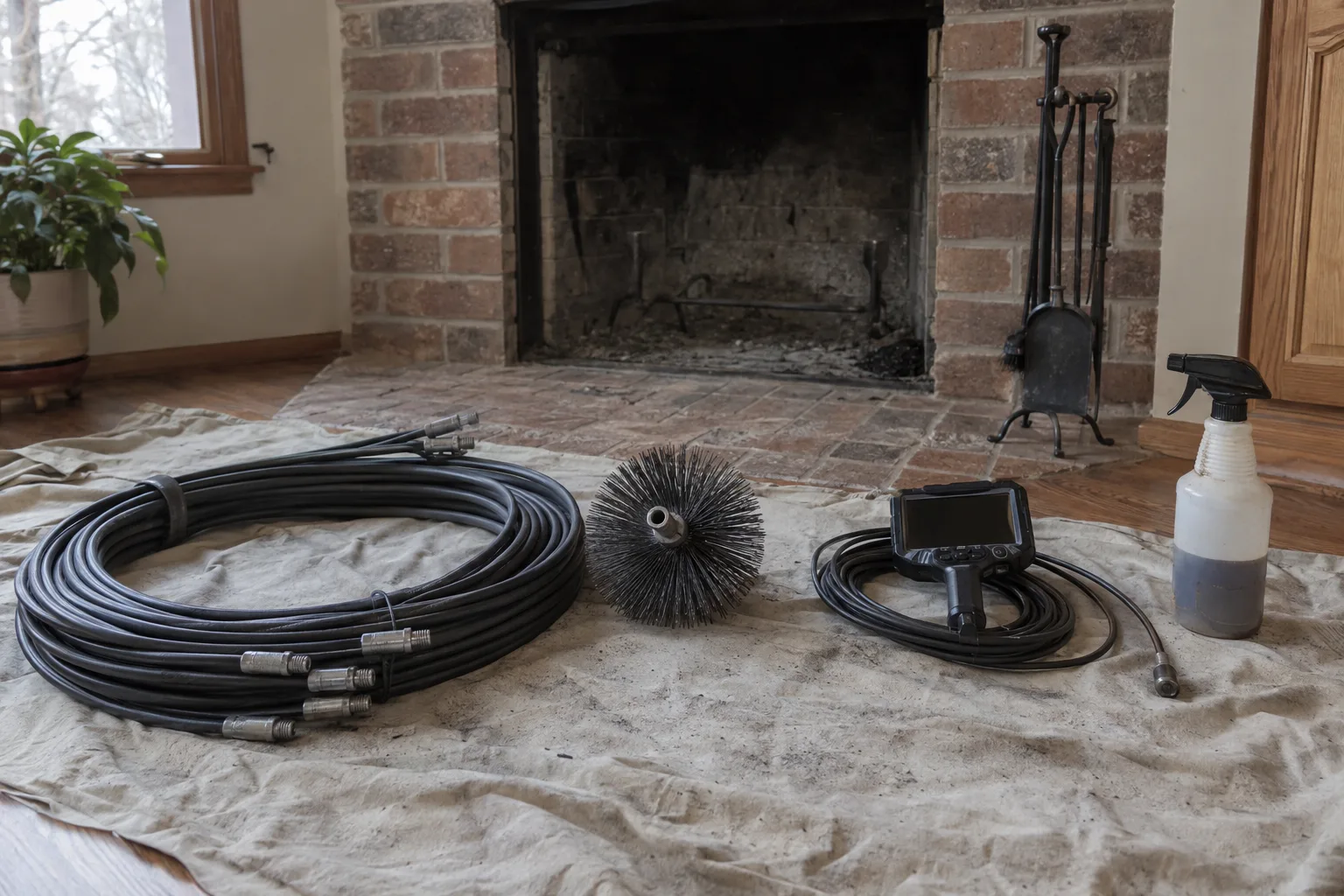
Our Lakewood team carries a camera inspection system specifically to identify stage and coverage before choosing a removal method. That diagnostic step is what determines whether a standard sweep is enough or whether chemical treatment is needed first.
What does creosote removal cost, and is it worth paying for?
Costs vary with the stage of buildup, flue height, and liner condition - a Stage 1 sweep costs less than a Stage 3 chemical treatment and re-inspection. Either way, it costs far less than repairing fire damage or replacing a cracked liner.
To put the numbers in context: a standard chimney sweep for light deposits is a routine maintenance expense. A Stage 3 glazed creosote removal involving chemical converter application, mechanical scraping, and camera verification costs more because it takes longer and requires additional materials. A damaged clay tile liner replacement, by contrast, can run into thousands of dollars - and that's before any structural masonry repair if a chimney fire spreads heat into surrounding framing.
The honest trade-off is this: annual cleaning keeps creosote at Stage 1, where it's cheap and fast to remove. Skipping cleanings for two or three seasons is how Stage 3 develops. At that point you're paying for a more involved removal, and if the liner is already cracked, you're paying for that too.
For homeowners asking whether to bother: creosote removal in Lakewood is straightforward preventive maintenance. The only time the math gets complicated is when buildup has been ignored long enough to damage the liner or surrounding masonry. At that point it's no longer just a cleaning - it's a repair job.
Other questions we get
How often should I have my chimney cleaned if I burn wood regularly?
NFPA 211 recommends at least once a year. If you burn more than three or four cords of wood per season, or if you're burning in a high-use rental or commercial property, twice a year is a reasonable interval. The right answer depends on what the inspection finds.
Can creosote removal logs replace a professional cleaning?
No. Creosote sweeping logs contain a chemical that makes Stage 1 and light Stage 2 deposits more brittle so they fall into the firebox. They don't remove the creosote - they just change its texture. You still need a physical sweep to clear what comes loose, and they have no meaningful effect on Stage 3 glazed deposits.
What does a chimney smell like when creosote is a problem?
Heavy creosote produces a sharp, smoky, tar-like smell that is most noticeable in summer when heat draws air down the flue and into the house. If your fireplace smells like an ashtray or old campfire between burning seasons, significant creosote buildup is the most common cause.
Sources and how we know
The information above reflects what we see on jobs across the Lakewood and Denver Metro area, combined with published standards from recognized industry and safety bodies. We do not invent statistics or certifications.
- NFPA 211: Standard for Chimneys, Fireplaces, Vents, and Solid Fuel-Burning AppliancesNational Fire Protection AssociationThe standard that defines annual inspection and cleaning requirements for wood-burning systems.
- Chimney Safety Institute of AmericaCSIAIndustry guidance on creosote stages, removal methods, and inspection levels.
- Burn Wise: Burn CleanerU.S. Environmental Protection AgencyWood-burning best practices, including seasoning and air supply guidance that directly affects creosote formation.
Who wrote this
AR Chimney Pros Team
Chimney specialists, Lakewood CO
Our team handles creosote removal, chimney inspections, and fireplace services across Lakewood and the wider Denver Metro area. We dispatch locally and our own team answers when you call.
- Locally dispatched from Lakewood, Colorado
- Serving Jefferson and Denver County homeowners