
Damper Repair and Top-Sealing Damper Installation in Lakewood, CO
Cast-iron throat plates warp from heat cycles and never seal flat again. Here's the upgrade.
A working damper is the only thing between your heated living space and an open flue. When it fails, conditioned air moves up the chimney continuously, not just when a fire is lit.
Dispatching from 12640 W Cedar Dr, Unit 7, Lakewood.
Two sealing points, one pull
- Throat plate repair when the frame is still square
- Top-sealing damper when the plate has warped past repair
- Silicone gasket seal verified before the crew leaves
- Existing throat frame kept in place as a second wind block
Your damper controls more heat than most homeowners realize
A working damper keeps conditioned air inside your home from October through April.
A throat damper, the cast-iron or steel plate mounted just above the firebox opening, is the original damper type in most Lakewood masonry fireplaces. Heat cycling warps the plate over time. It stops lying flat, and a plate that doesn't lie flat can't seal.
That gap creates what technicians call a flue bypass rate: the volume of air passing through a closed damper due to warping, corrosion, or poor fit. Even a gap the width of a pencil allows measurable heat loss across a Colorado winter. Over six months, that adds up on your energy bill in ways that feel random and hard to pin down.
AR Chimney Pros handles both repair and full upgrade. We fix what can be fixed. When a throat plate has warped past reliable service, we install a top-sealing damper, a cap-style unit mounted at the chimney crown that seals with a silicone gasket, a tighter seal than any new cast-iron plate can achieve.
Lakewood and the foothills corridor see some of the metro's sharpest drafts
Homes along US-285 and into Morrison face cold air exposure that flat-grade Denver properties don't.
Elevation gain, wind channel effects from the Front Range, and older housing stock combine to make damper performance a genuine efficiency issue here, not a minor comfort complaint.
AR Chimney Pros operates out of our Cedar Drive office in Lakewood. We serve the US-285 foothills corridor, Morrison, and surrounding communities regularly. Our crews know the difference between a damper problem caused by age and one caused by the freeze-thaw cycling that's especially aggressive at 5,600 feet.
Here is what many Lakewood homeowners don't realize: homes built before 1980 often have undersized damper frames. The original plate may have sealed adequately for the first decade, but repeated thermal cycling, firing the fireplace through six heating seasons a year, deforms cast iron slowly and invisibly. By the time cold air is noticeable near the firebox, the plate may have been gapping for two or three seasons already.
Top-sealing damper installation solves this at the source. The damper frame, the cast-iron surround anchored into the throat masonry, stays in place. We route the stainless steel control cable down through the firebox, and the homeowner gains a second seal point at the crown level on top of the existing throat frame. Two sealing points. One cable. One pull to open when you're ready to use the fire.
- 5,600 ft
- Elevation along the US-285 corridor
- 6 months
- Heating season a damper has to hold
- 2 seals
- On a top-sealing damper install
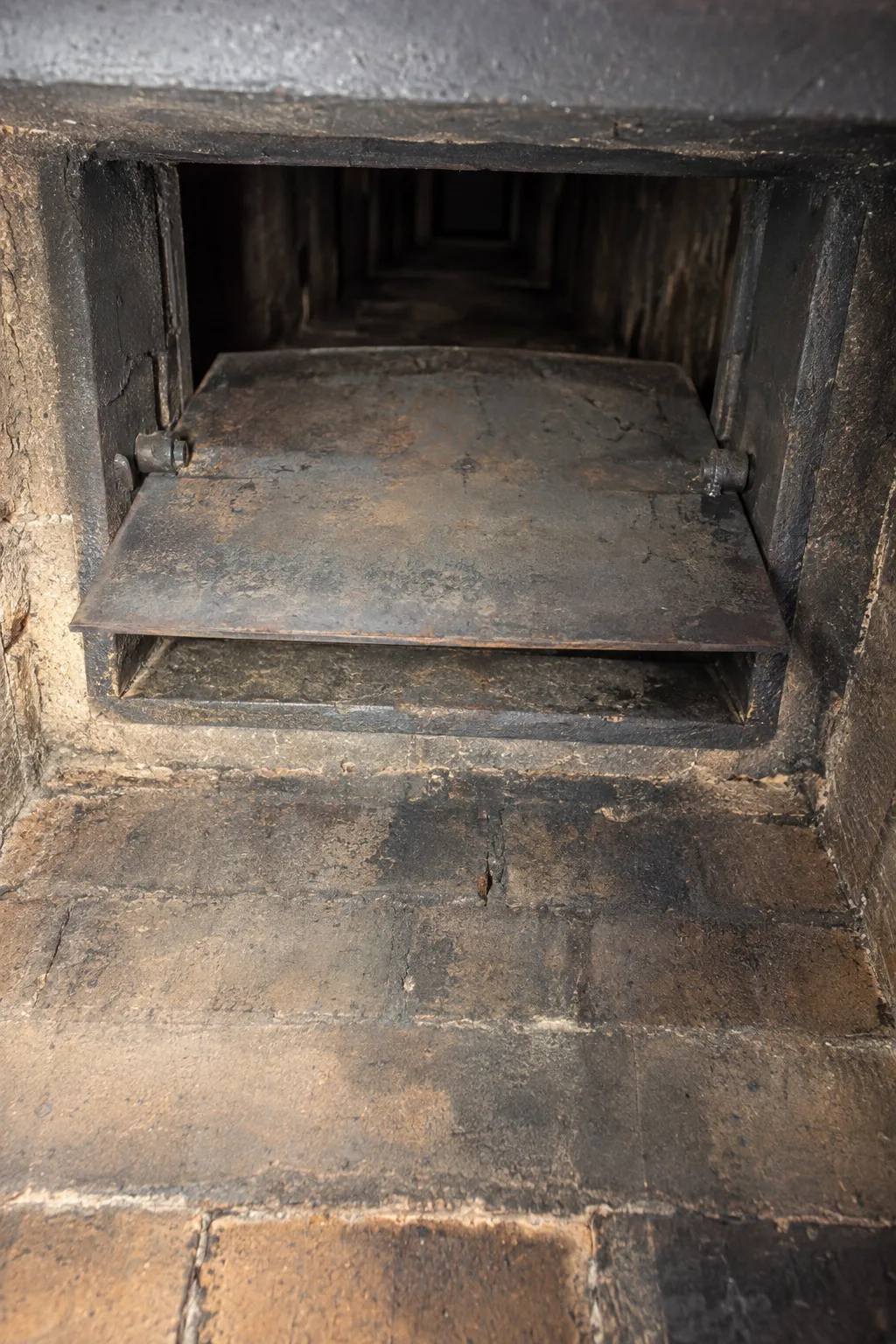
What we found inside a Wheat Ridge fireplace last November
The damper handle turned, but nothing was actually closing.
A homeowner in Wheat Ridge had noticed her heating bill creeping up each winter for three years. The fireplace had been serviced before, but never with the damper specifically evaluated.
Inside the firebox, the throat damper plate was rotating on its pivot pins and looked like it was closing. It wasn't seating. The plate had warped enough that one edge stayed roughly half an inch off the frame even at full close. The frame itself was solid, no cracking, no mortar failure. The problem was purely in the plate geometry.
A smoke pencil held at firebox level with the damper "closed" confirmed it: the smoke column pulled straight up into the flue within two seconds. That's chimney stack heat loss, the ongoing transfer of conditioned indoor air up through a poorly sealing flue, happening in real time through a damper the homeowner believed was working.
A new cast-iron throat plate is sometimes the right call, but only if the frame and pivot geometry can hold it flat. Here, the frame was slightly out of square from the same heat cycling that warped the plate, so a replacement plate would face the same seating problem.
We installed a top-sealing damper instead. The silicone gasket seal set up clean on the first close. No gap. No draft. The throat frame stayed in place and now serves as a secondary wind block at firebox level.
Repair or upgrade: a clear way to think it through
Most homeowners don't need to guess. Three questions narrow it down fast.
-
1
Does the plate move freely on its pivot pins?
If the handle turns but feels loose, grinds, or moves without resistance, the pivot connection may be corroded or broken. That's often a repair, or a candidate for a new throat plate if the frame is square.
-
2
Can you see light around the plate when closed?
Use a flashlight from below with the plate fully closed. Any visible light means it isn't seating flat. Damper plate warping, the deformation of a cast-iron plate from repeated thermal cycling, is the common cause and won't be fixed by adjustment alone.
-
3
Is the throat frame structurally intact?
Run your hand around the cast-iron frame perimeter. If masonry around it feels loose or the frame has shifted, that's a masonry conversation first. If the frame is solid, it's a strong candidate for top-sealing installation without extra work.
One of AR Chimney Pros' 20 crew members can confirm which path fits your chimney during the diagnostic visit. Nothing is recommended without evidence.
Our standards for every damper job
Every damper job follows a defined standard, no shortcuts based on schedule pressure.
- Top-sealing dampers are stainless steel and silicone construction, no galvanized units
- Control cables routed with a protective sleeve through the firebox
- Existing throat frame retained and inspected, removed only if compromised
- Gasket compression verified at close before the crew leaves
- Firebox and throat area cleaned before any installation work begins
- All work documented with before and after photos delivered to the homeowner
Throat damper vs. top-sealing damper
| Throat damper | Top-sealing damper | |
|---|---|---|
| Seal location | Just above firebox, seals at throat level | Crown level, seals at top of the stack |
| Seal quality | Cast iron against cast iron, degrades with warping | Silicone gasket against flue tile, holds through freeze-thaw |
| Weather exposure | Protected inside flue | Mounted at stack top, built for outdoor exposure |
| Animal and debris protection | None, flue open at top | Integrated, closes off the flue opening entirely |
| Typical lifespan | 15 to 25 years before warping becomes a sealing issue | 20 to 30+ years with standard gasket maintenance |
How a damper visit runs
Diagnostic first, then installation, then verification, on every call.
-
1
Diagnostics
We start at the firebox, every time.
The technician checks plate movement, pivot condition, frame integrity, and throat masonry for spalling or mortar gaps. A draft behavior check, observing airflow with the damper open and closed, is standard on every damper call. This tells us whether the problem is mechanical or structural.
For top-sealing candidates, we also assess the chimney crown from the rooftop. A cracked or eroded crown affects how the top-seal unit seats. If crown repair is needed first, we flag it clearly before any installation begins.
-
2
Installation
For repair, we replace the plate, pins, or handle hardware as needed.
For top-sealing installation, we mount the unit at the crown, secure it to the flue tile perimeter, and route the stainless cable through the flue to a pull ring inside the firebox. It takes roughly two to three hours depending on chimney height and access.
We size the top-seal unit to the actual flue tile dimensions at the crown, not the exterior chimney width. An oversized unit creates leverage stress on the crown masonry over time.
-
3
Post-service testing
The damper is cycled open and closed three times before we leave.
We verify cable tension, gasket compression, and that the pull ring is accessible from a standing position inside the firebox. Smoke behavior with the damper closed is checked if conditions allow.
You get a walkthrough of how to operate the cable pull and when to schedule the next inspection.
See crown repair
Related repair services
If the diagnostic turns up something beyond the damper itself, these are the next steps.
Areas we serve
AR Chimney Pros serves Lakewood and the full Denver Metro area from our Cedar Drive office.
Our regular service area includes Denver, Wheat Ridge, Arvada, Englewood, Littleton, Edgewater, Morrison, Golden, Sheridan, Glendale, Westminster, Aurora, Thornton, Highlands Ranch, Centennial, Broomfield, and Boulder. We also reach foothills communities including Evergreen, Conifer, and Idaho Springs.
Frequently asked questions
Damper questions we answer most often on the phone.
How much does top-sealing damper installation cost compared to replacing a throat plate?
Top-sealing damper installation typically costs more upfront than a throat plate swap. However, the silicone gasket seal outperforms cast iron immediately and holds through Colorado freeze-thaw cycles longer. A warped throat frame often means a replacement plate faces the same seating problem within a few years, and the top-seal unit eliminates that cycle entirely. We quote both options after the diagnostic so you see the real cost difference before deciding.
How long does a damper repair or top-sealing installation take on the day of service?
Throat damper repair takes one to two hours. Top-sealing damper installation takes two to three hours depending on chimney height and roof access. Both are single-visit jobs. Our crew sizes the top-seal unit to your actual flue tile dimensions before arriving, not to the exterior chimney width, so there are no return trips for incorrect sizing.
Can the top-sealing damper be installed without removing my existing throat damper frame?
Yes. The throat damper frame stays in place during top-sealing installation. We route the stainless steel control cable down through the existing frame to a pull ring inside the firebox. Removing the frame is only necessary if it has shifted or the surrounding masonry is structurally compromised. Most Lakewood chimneys we service retain a usable frame even when the plate itself has warped beyond repair.
My damper handle still turns. Why isn't that enough to confirm it's sealing?
A handle that moves does not confirm the plate is seating flat. Damper plate warping causes one or more edges to stay elevated even at the fully closed position. In Wheat Ridge last November, our technician found a plate with a half-inch gap at full close while the handle turned freely the whole time. A smoke pencil test at firebox level confirms actual seal behavior, handle movement alone tells you nothing about air bypass.
What's the difference between AR Chimney Pros diagnosing my damper versus a chimney cleaning company checking it?
Our technicians run a dedicated diagnostic sequence covering plate movement, pivot condition, frame integrity, throat masonry, and a live draft behavior check. A standard cleaning appointment doesn't allow time for that level of evaluation. With 20 crew members, we schedule damper visits as standalone calls, and the diagnosis drives the recommendation.
Will a top-sealing damper also keep animals and debris out of my flue?
Yes. A top-sealing damper closes off the flue opening entirely at the chimney crown. When the damper is shut, the flue is sealed against birds, squirrels, debris, and precipitation. A standard throat damper provides no protection at the top of the stack, the flue remains open above it at all times. The top-seal unit replaces the function of a chimney cap for draft sealing while adding the gasket-quality air seal a cap alone cannot provide.
See chimney capsMore questions about your system? Read the full FAQ.
Schedule your damper repair or installation
A working damper protects your heating budget for the full six-month Colorado season.
AR Chimney Pros serves Lakewood and the surrounding metro with a 20-person crew, so scheduling a dedicated damper visit, separate from a cleaning, is straightforward. Call us at 720-608-7668, email info@archimneypros.com, or use the contact form to request your appointment.