Choosing the Right Level 2 Chimney Inspection Denver Company
The short answer
A Level 2 chimney inspection Denver homeowners need includes a visual check of all accessible interior and exterior chimney surfaces, plus camera scanning of the flue. It's required before any home sale, after a chimney fire or earthquake, and when adding or changing a heating appliance. Choose a company that uses a proper video camera system, provides a written report, and can explain what they found in plain language.
Learn more about chimney cleaning Denver Metro
Learn more about fireplace inspection Lakewood CO in Denver, CO
Answered by AR Chimney Pros, Chimney inspection specialists at AR Chimney Pros
| What Level 2 covers | All accessible areas plus full video scanning of the flue liner |
|---|---|
| When it's required | Home sales, after chimney fires, after seismic events, appliance changes |
| What to look for in a company | Video camera equipment, written report, clear explanation of findings |
| What Level 2 costs | Costs vary with chimney height, number of flues, and condition |
| Who sets the standard | NFPA 211 defines all three inspection levels |
Ready to book? Call 1 720-608-7668
What does a Level 2 chimney inspection actually include?
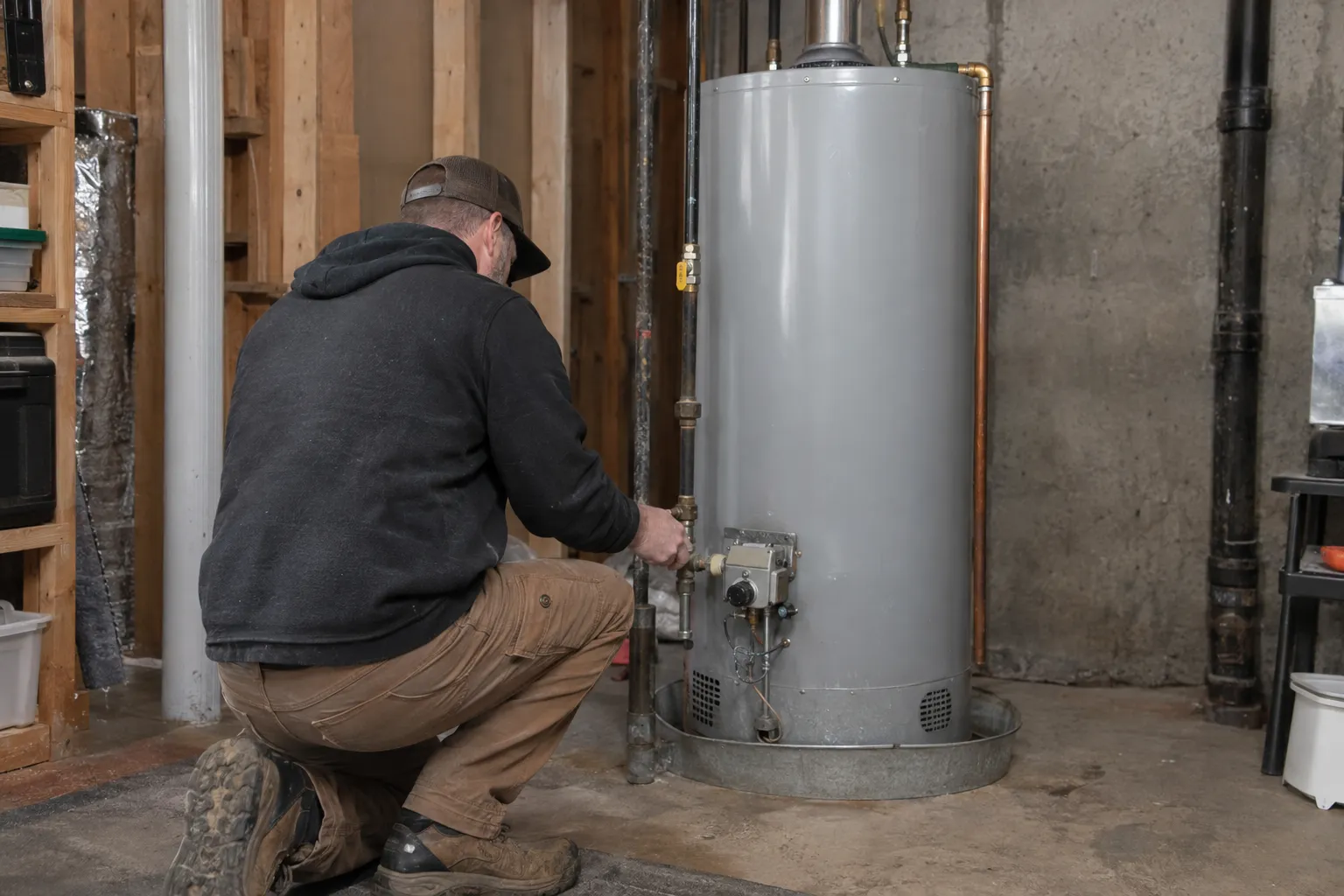
A Level 2 inspection covers everything in a Level 1 plus a video scan of the entire flue interior, all accessible attic and crawlspace areas, and the chimney's connection to the structure.
NFPA 211, the national standard for chimneys and fireplaces, defines three inspection levels. Level 2 is the most common for real estate transactions and post-event assessments. It requires the technician to scan the full length of the flue liner with a video camera, not just shine a flashlight into the opening.
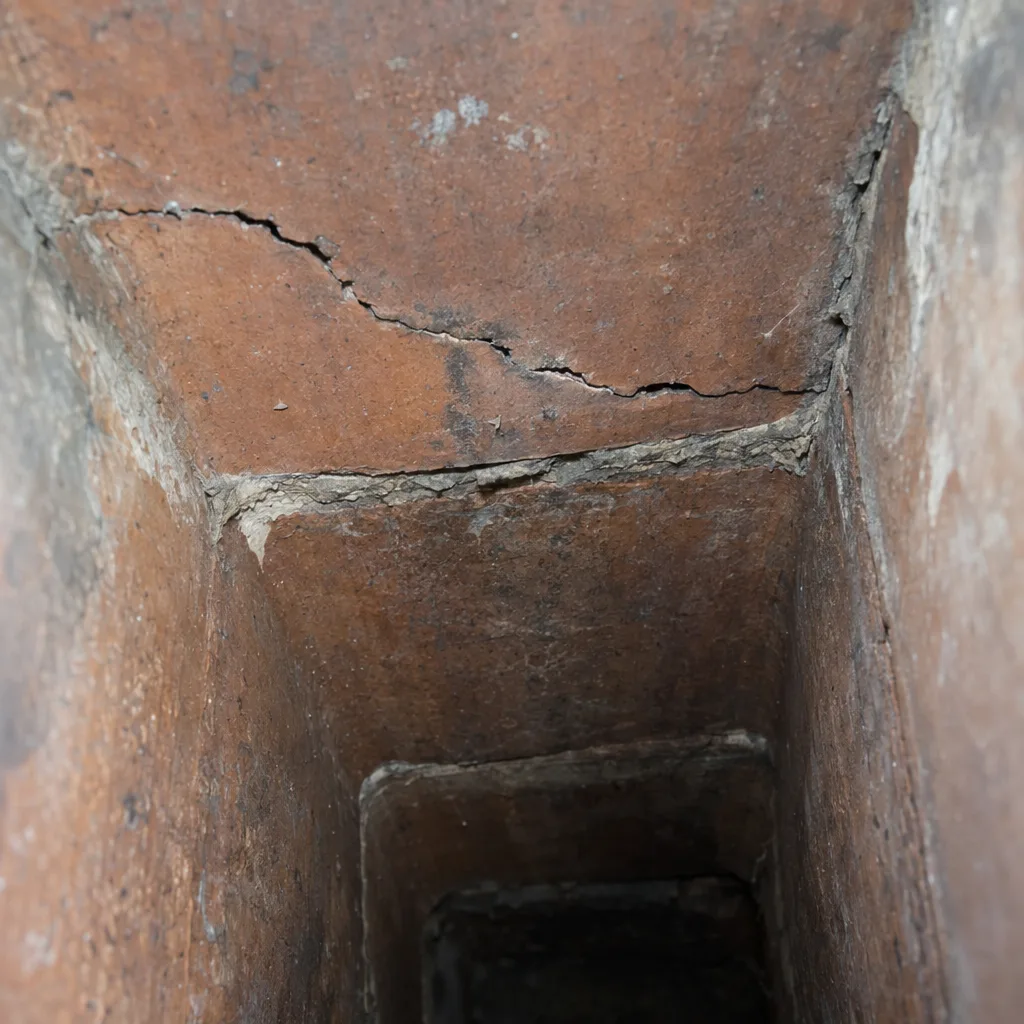
The camera footage reveals cracks in clay tile liners, gaps in mortar joints, collapsed sections, and creosote deposits that you can't see from the firebox or the chimney top. The technician should also check the crown, flashing, smoke chamber, and damper. At the end, you get a written report with findings and any recommendations.
A Level 2 inspection does not involve demolition. If access requires removing components, that moves into Level 3 territory. Most Denver area homes with standard masonry or prefabricated fireplaces fall clearly within Level 2 scope.
When do you actually need a Level 2 inspection?
NFPA 211 specifies Level 2 as required for home sales and transfers, after any chimney fire or seismic event, and whenever you change the fuel type or appliance connected to the flue.
The most common triggers in the Denver Metro area include:
- Buying or selling a home: lenders, real estate agents, and buyers routinely request Level 2 reports before closing. See our guide on Level 2 inspections for home sales for what to expect in that process.
- After a chimney fire: even a small, contained chimney fire can crack a liner. You need camera evidence of the condition before using the fireplace again.
- After significant weather events: Colorado's freeze-thaw cycles and the occasional Front Range earthquake are enough to shift mortar and crack liners in older chimneys.
- Appliance change: switching from a wood-burning fireplace insert to a gas appliance, or upgrading a stove, requires confirming the flue size and liner condition suit the new equipment.
If none of those situations apply and your fireplace has been inspected recently with no issues found, a Level 1 inspection may be all you need for routine annual maintenance.
What should I look for in a Level 2 inspection company?
The company needs proper video camera equipment, the ability to provide a written inspection report, and technicians who can walk you through what the camera found.
Video camera equipment is non-negotiable. A Level 2 inspection without a camera is not a Level 2 inspection, regardless of what the invoice says. Ask directly whether they use a dedicated chimney camera system before booking.
A written report matters as much as the inspection itself. If you're buying a home or filing an insurance claim after a chimney fire, you need documentation. The report should include images from the camera scan, a description of each area inspected, and a clear statement of any deficiencies found.
Ask these questions before you book:
- Do you provide a written report with camera images after every Level 2?
- What camera system do you use, and can I see the footage?
- Are you familiar with both masonry and prefabricated fireplaces?
- Can you explain the difference between a Level 1, 2, and 3 inspection?
- Are you dispatched locally, or are you a call center booking out-of-area crews?
At AR Chimney Pros, our team is dispatched out of Lakewood. Our own team answers when you call 720-608-7668. That matters because a technician who works this area regularly knows what to expect in Denver Metro homes.
Red flags that signal a cut-rate inspection
Some companies advertise chimney inspections at unusually low prices, then upsell aggressively once they're in your home. Here's what to watch for.
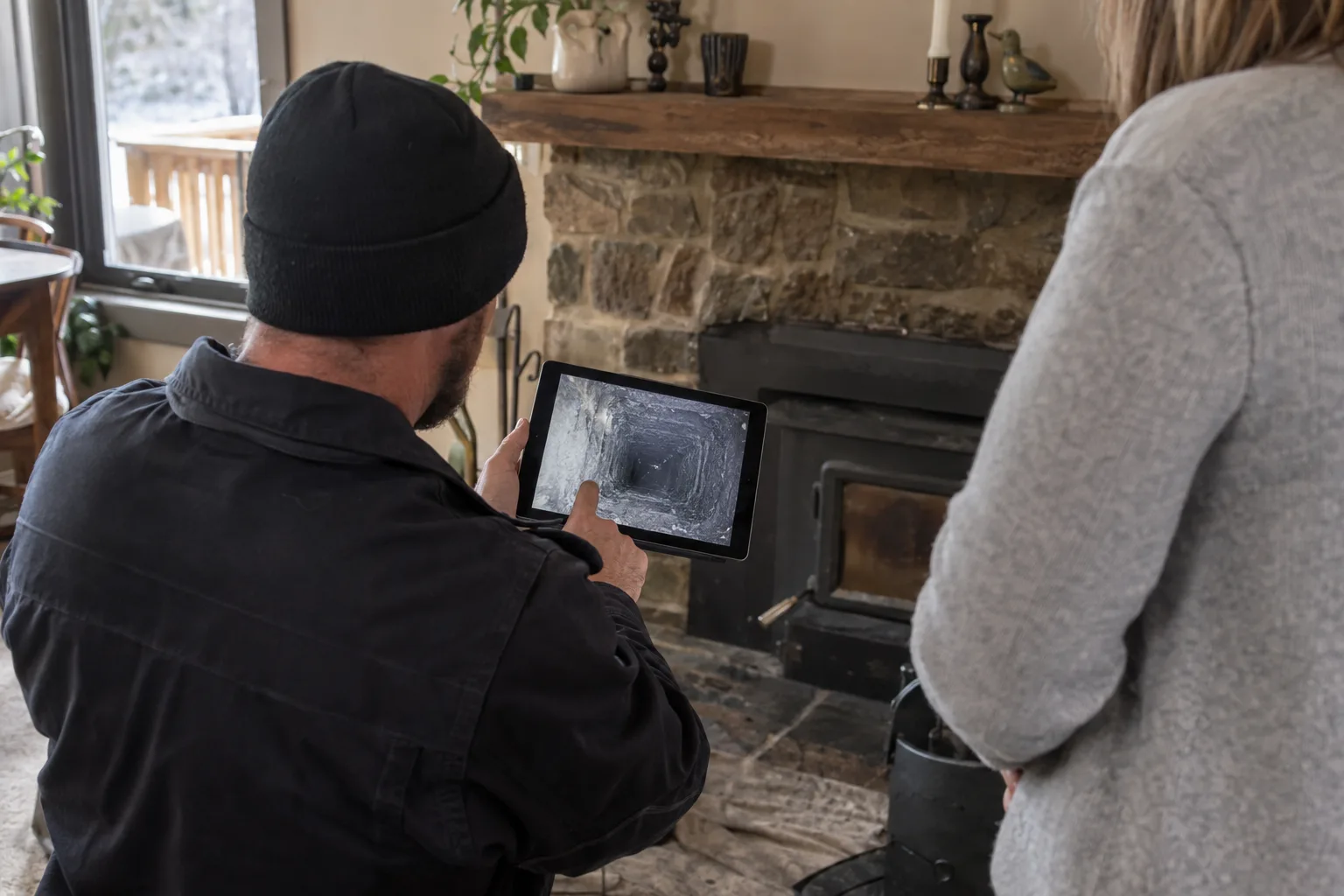
A legitimate Level 2 inspection takes time. The camera has to travel the full length of the flue, the technician needs to inspect the exterior and accessible attic areas, and the report needs to be written up. If a company completes a "Level 2" in fifteen minutes, they haven't done a Level 2.
- No written report provided: verbal-only findings are not documented and won't satisfy a lender, real estate agent, or insurance adjuster.
- Immediate high-pressure repair quotes: findings should be explained clearly, with time for you to ask questions, before any repair discussion begins.
- Unusually low quoted price with vague scope: ask exactly what the inspection includes and confirm camera scanning is part of it before agreeing.
- Out-of-area dispatch: companies booking Denver jobs from out-of-state call centers often send crews unfamiliar with local chimney types and Front Range construction.
The Chimney Safety Institute of America (CSIA) and the National Fire Protection Association (NFPA) both publish consumer guidance on what a proper inspection involves. Reading NFPA 211's scope descriptions before you hire helps you ask the right questions.
Denver-specific chimney concerns that affect inspection findings
The Front Range's climate, altitude, and older housing stock create specific failure patterns that a local technician will recognize faster than someone unfamiliar with the area.
Freeze-thaw damage is the most common masonry issue in Denver Metro. Moisture enters mortar joints or crown cracks in autumn, freezes and expands over winter, and by spring the joint has widened. Over several seasons this can displace bricks or open gaps in the liner. A Level 2 inspection in early spring often reveals damage that wasn't visible the previous fall.
Altitude also affects draft. At Denver's elevation, the air is thinner, which changes how a flue draws. Flues sized for sea-level performance can draft poorly here, leading to smoke spillage or incomplete combustion and faster creosote accumulation. A technician who works this area regularly will flag draft-related liner sizing issues that someone unfamiliar with elevation wouldn't consider.
Older Denver Metro neighborhoods also have a high proportion of original clay tile liners from the 1950s through 1970s. These liners are well past their expected service life and commonly show cracking, spalling, and deteriorating mortar joints. The camera scan during a Level 2 is what definitively documents the condition of these liners.
Denver's no-burn days also affect how often some homeowners use their fireplaces, which can mean longer periods of moisture sitting in the firebox. For more on managing your fireplace around air quality restrictions, see our guide on Denver no-burn days and chimney maintenance.
Other questions we get
How is a Level 2 inspection different from a Level 1 or Level 3?
A Level 1 covers accessible areas without specialized tools and is appropriate for routine annual use with no changes. A Level 2 adds video camera scanning and inspection of accessible attic and crawlspace areas. A Level 3 involves removing components when hidden areas need investigation and is typically triggered by Level 2 findings. See our pages on Level 1 and Level 3 inspections for more detail.
Do I need a Level 2 inspection every year?
Not necessarily. A Level 2 is triggered by specific events: a home sale, a chimney fire, an appliance change, or significant structural concern. For routine annual maintenance with no triggering event, a Level 1 inspection is typically the right starting point.
Can a Level 2 inspection be used for a real estate transaction in Denver?
Yes. NFPA 211 specifically designates Level 2 as the standard for real estate transfers. The written report and camera documentation are what real estate agents, lenders, and buyers need. Our Level 2 inspections for home sales page covers what to expect in that context.
Sources and how we know
The inspection scope descriptions above follow NFPA 211, the standard for chimneys, fireplaces, vents, and solid fuel-burning appliances. The Denver-specific observations come from inspections our team conducts across the Denver Metro area, including Jefferson and Denver County homes.
- NFPA 211 Standard for Chimneys, Fireplaces, Vents, and Solid Fuel-Burning AppliancesNational Fire Protection AssociationDefines the scope and requirements for Level 1, 2, and 3 chimney inspections.
- Chimney Safety Institute of America (CSIA)CSIAConsumer guidance on chimney inspection, cleaning, and what to expect from a qualified sweep.
- Burn Wise programU.S. Environmental Protection AgencyGuidance on wood-burning safety, appliance efficiency, and air quality considerations relevant to Denver Metro homeowners.
Who wrote this
AR Chimney Pros
Chimney inspection specialists, Lakewood CO
AR Chimney Pros performs Level 1, 2, and 3 chimney inspections across the Denver Metro area, dispatched from Lakewood. We cover Jefferson and Denver County homes, real estate transactions, and post-event assessments.
- Level 2 inspections with full video camera documentation
- Written reports suitable for real estate transactions and insurance