
Scope Agreed Before Any Demolition Begins
Post-fire and post-event structural assessments with insurance-ready documentation.
Level 3 chimney inspection in Lakewood, CO, with every component targeted for removal documented and agreed before a single wall section comes down.
Dispatching from 12640 W Cedar Dr, Unit 7, Lakewood.
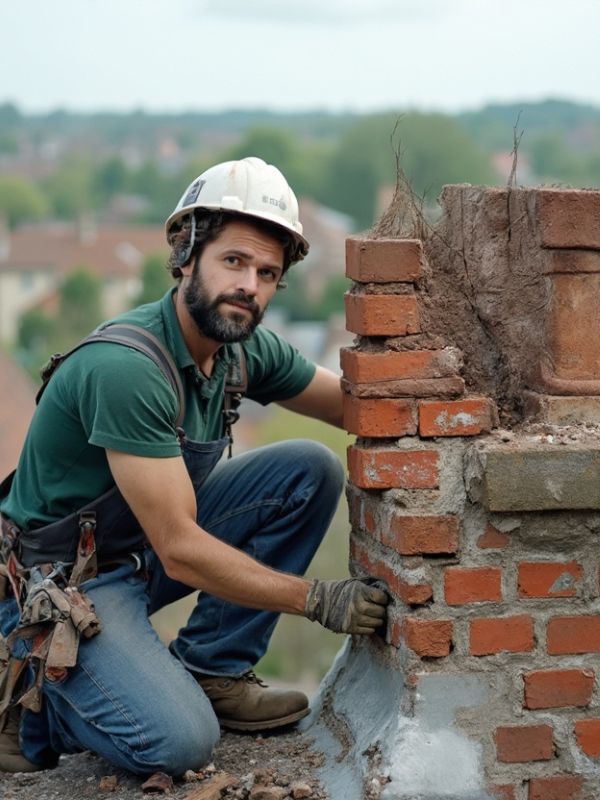
What Level 3 involves
- Physical removal of building components for access
- Written scope agreed before demolition starts
- Concealed flue portions a camera cannot reach
- Insurance-ready inspection report with photo evidence
What a Level 3 inspection looks for, part by part
NFPA 211 defines three inspection tiers. Level 3 is the only one that reaches past what a camera or a walkthrough can see. Here are six common triggers, and the part of the chimney each one points to.
Insurance adjuster flagged possible fire damageFlue liner
A creosote ignition event can fracture terra cotta flue tile without leaving any visible sign on the exterior brick. A Level 3 opens the concealed flue portion to check for fracture lines a camera angle misses.
See post-fire inspectionBrick looks intact after a severe stormCrown
Freeze-thaw cycling and storm impact can hairline-crack the crown without disturbing the brick below it. We remove the affected section to check for separation a visual scan can't confirm.
See crown repairWater stain appeared on the ceiling after heavy rainFlashing
Flashing failure often sits beneath intact-looking shingles. A Level 3 traces the entry point back through the roofline to confirm where water is actually getting in.
See leak inspectionSmoke rolls back into the room since the fireSmoke chamber
Heat damage can distort the smoke chamber's shape enough to disrupt draft. We access the chamber directly to check for collapsed parging or shifted masonry.
See draft analysisDamper won't close evenly anymoreDamper
Heat warping or mortar debris from a damaged section above can jam a damper that used to seat flush. We remove the surrounding masonry to find the actual obstruction.
See full chimney repairReal estate inspection flagged undocumented historyFirebox
An older property with no inspection records may have firebox damage from past use that was never addressed. We open the surrounding components to establish a documented baseline.
See Level 1 inspection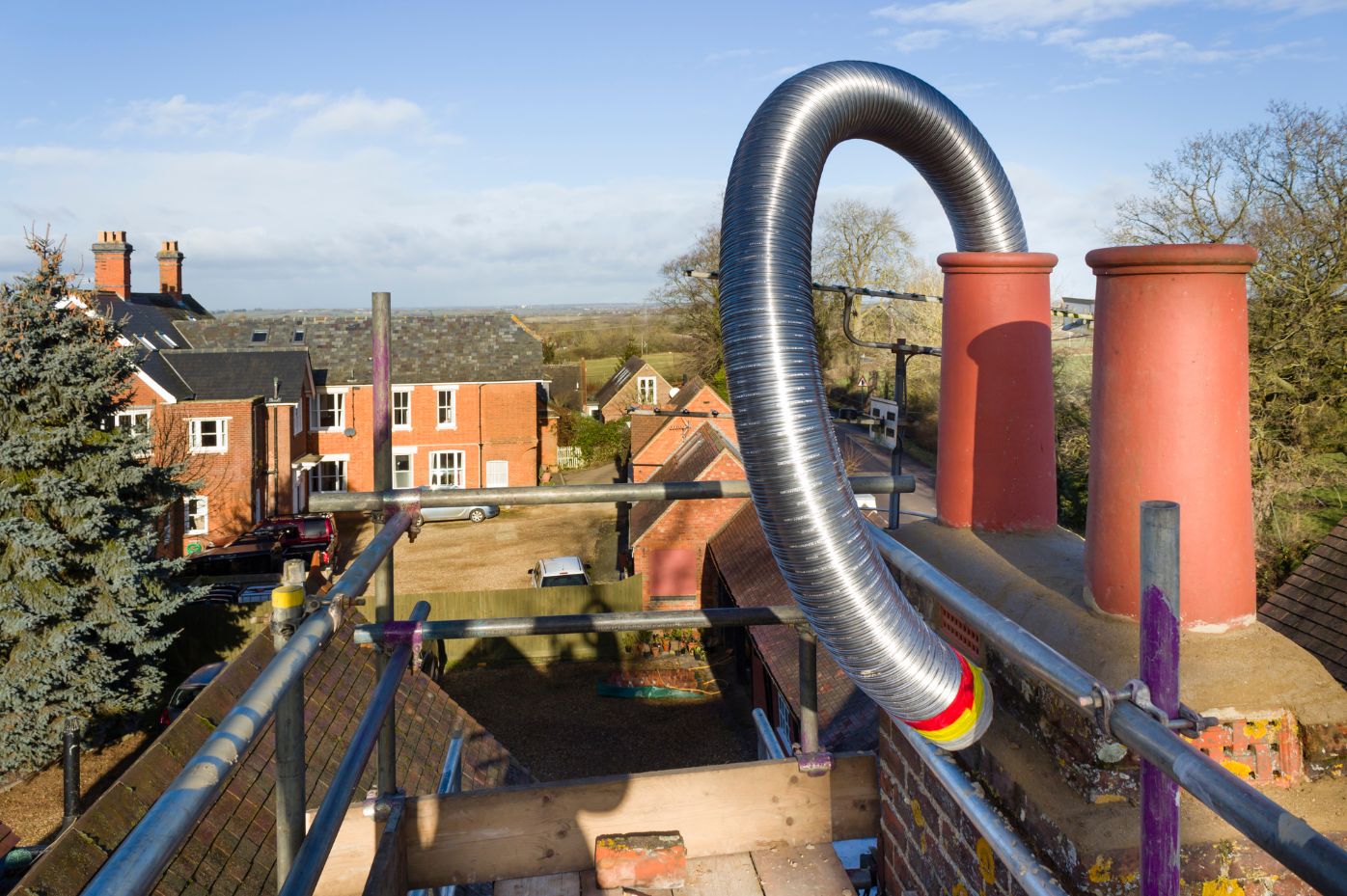
Why this matters in Lakewood
Older Denver Metro homes carry hidden flue damage
Lakewood and the surrounding metro are full of pre-1980 homes with clay-tile flue systems.
Terra cotta flue tile, the traditional clay liner material installed in most Denver-area homes built before 1990, performs well under normal conditions. Extreme heat from a chimney fire, or years of freeze-thaw cycling at Colorado's elevation, can fracture these tiles in ways a fixed-angle camera scan never catches. We see this most often in Morrison, Golden, and Edgewater, where mid-century homes are dense and chimneys often haven't been inspected at this depth in decades.
A Level 3 inspection is the only tier that reaches the concealed flue portions where this kind of damage hides. Our technicians approach every Level 3 in this area expecting to find what cameras missed.
- 5,400 ft
- Elevation stressing clay flue tile
- 3 tiers
- Inspection levels defined by NFPA 211
- Pre-1990
- Common build era for clay-tile liners here
Every Level 3 we run starts with a written scope agreement
Here's how a recent job in Golden went, because the scope step is where this process either holds or breaks down.
A homeowner called us after their insurance adjuster flagged possible chimney fire damage following a creosote ignition event. From the outside the chimney looked fine. The brick was intact, and even a quick camera pass showed no obvious liner collapse.
We scheduled the Level 3 and built the scope agreement before the crew touched anything. It specified which sections of the chimney wall would be removed, what we expected to find based on the camera pass, and the sequence for post-inspection restoration. The homeowner signed off. No open-ended demolition.
What we found
When we opened the first concealed flue portion, we found terra cotta flue tile with a clean fracture line running about 14 inches, invisible from the camera angle but clearly the result of the fire event's heat spike. There was also mortar cavity collapse in the adjacent section: two structural failure modes in the same chimney.
A structural failure mode is the specific way a chimney component has failed, whether liner separation, mortar collapse, or spalled tile, and identifying it precisely determines the right repair pathway.
Because the scope was defined in advance, the homeowner already understood what restoration would involve. The insurance documentation we produced, a formal inspection report detailing both failure modes with photo evidence, went to their adjuster the same week.
Defined scope. Documented findings. Clear path forward.
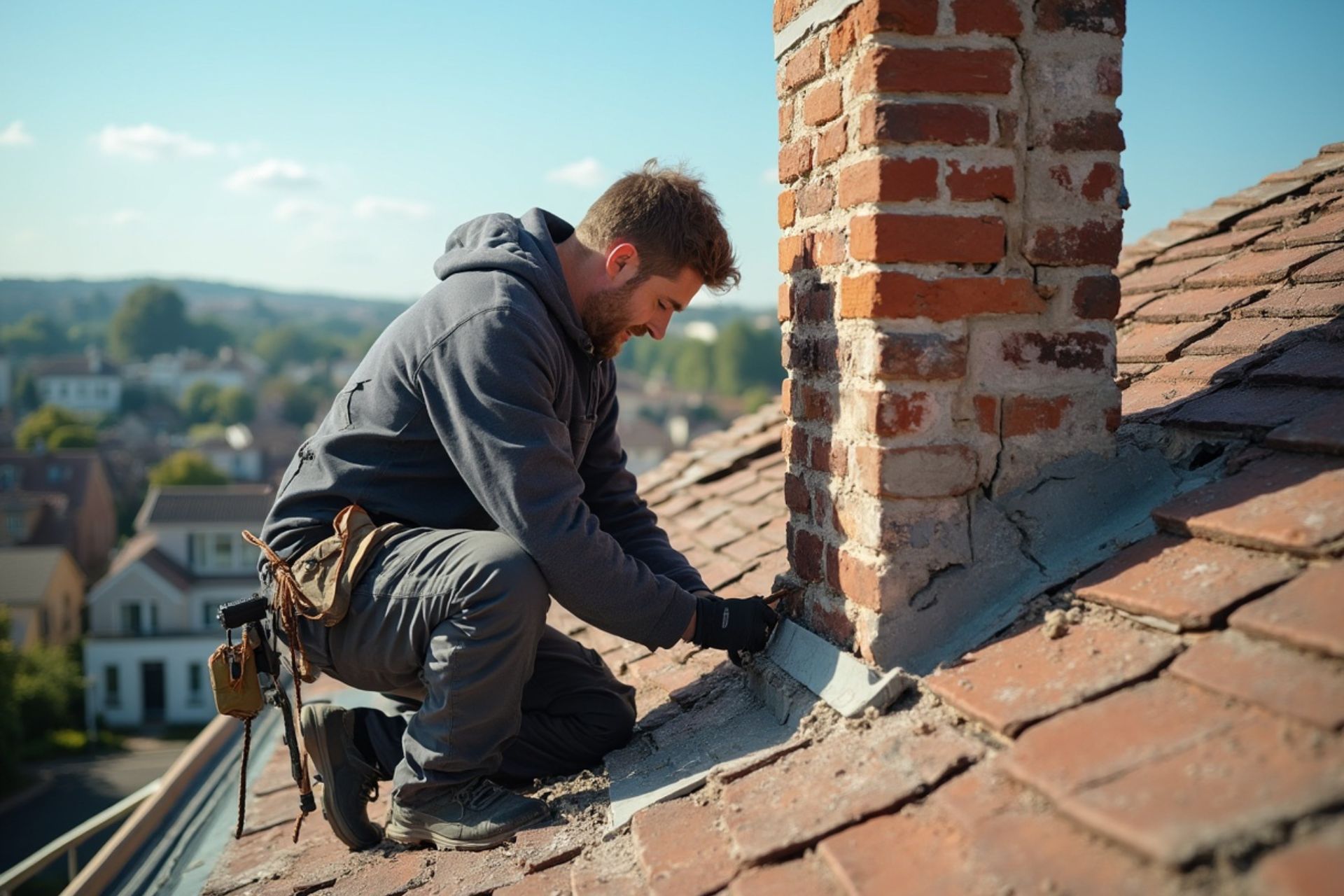
Restoration is part of the process, not an afterthought
This is the question we hear most often from homeowners scheduling a Level 3. They understand why the inspection requires removing building components. They want to know what the chimney looks like afterward.
The demolition scope we define before starting also defines the restoration scope.
We don't open sections without a plan for what comes next. If a wall section comes down to access a concealed flue portion, restoring that section is part of the project conversation from day one.
The inspection report we produce documents every structural failure mode identified, with photo evidence, a description of the damage mechanism, and repair recommendations by specific method. The report is formatted to meet insurance documentation standards, and many of our Level 3 clients across the Denver Metro use it to support claims after chimney fires or storm events.
Restoration timing depends on what the inspection finds. We walk through that with you before we close the scope agreement.
Our standards for Level 3 structural inspections
This standard applies consistently on every Level 3 job we run in Lakewood and across the Denver Metro.
- Scope defined in writing before demolition beginsComponents to be removed are documented and agreed upon.
- Concealed flue portion accessTargeted to sections a camera scan cannot fully evaluate at standard angles.
- Terra cotta flue tile assessmentChecked for fracture lines, spalling, and separation, common failure modes in pre-1990 Denver Metro systems.
- Structural failure mode identificationEvery damaged component found is classified by type and mechanism, not just flagged.
- Insurance documentation standardPhoto evidence, damage description, repair pathway, and component-by-component findings in the final report.
- Restoration plan confirmed before inspection closesOpen sections are addressed with a clear next step, not left to a future conversation.
- One crew for the full scopeInspection, documentation, and post-inspection repair handled without hand-offs to a third party.
How we run a Level 3 inspection
Three defined phases. No stage starts until the last is complete.
-
1
Structural diagnostics
We start with a full system review before anything opens.
A camera pass of the accessible flue, a visual exterior assessment, and a review of prior inspection records or event history: chimney fires, storm damage, or post-renovation changes.
From this baseline we build the demolition scope. Every targeted component is identified here, and you review and approve it before physical work begins. For older Lakewood properties, we pay particular attention to the home's build year, since pre-1980 clay tile systems in Colorado's freeze-thaw climate have predictable stress patterns.
-
2
Controlled demolition and inspection
With scope approved, access follows the agreed sequence.
The crew begins controlled removal of the specified building components. Each concealed flue portion is accessed in order, with findings documented as we go: photos, measurements, and failure mode classification for every damaged section.
If we encounter something unexpected that requires additional access, we stop and confirm with you first. The demolition scope does not expand without your sign-off.
-
3
Documentation and report
Once every targeted section is inspected, we compile the report.
It includes every structural failure mode identified, the mechanism behind each, photo documentation, and a prioritized repair recommendation for each finding. The format is built for insurance submission, and we can produce supplemental documentation if your claim requires it.
Before the crew leaves the site, we confirm the restoration scope and next steps with you directly.
Areas we serve
AR Chimney Pros dispatches Level 3 inspection crews across the Greater Denver Metro area.
We serve Lakewood, Denver, Wheat Ridge, Arvada, Englewood, Littleton, Edgewater, Morrison, Golden, Sheridan, Glendale, Westminster, Aurora, Thornton, Highlands Ranch, Centennial, Broomfield, Boulder, Evergreen, Conifer, Longmont, Fort Collins, Castle Rock, and surrounding communities. If you're in the Denver Metro, we can reach you.
- Lakewood
- Morrison
- Golden
- Edgewater
- Denver
- Wheat Ridge
- Arvada
- Littleton
- Aurora
- Boulder
Related inspection services
Not every chimney needs a Level 3. Here are the other inspection tiers and diagnostics we run.
Frequently asked questions
Level 3 questions we answer most often on the phone.
How much does a Level 3 inspection cost compared to Level 1 or Level 2?
Level 3 inspections cost significantly more than Level 1 or Level 2 because they require physical demolition of building components. Scope complexity drives the final cost: a single-wall access job differs from a multi-section removal. The written scope agreement outlines exactly what work is included. Call 720-608-7668 for a scope-based estimate.
How long does a Level 3 inspection take from scope agreement to final report?
Most Level 3 inspections run across multiple visits: one for scoping, one for controlled demolition and assessment, one for report delivery. Timelines vary based on how many concealed flue portions require access. Restoration planning begins before the crew leaves the site on the final visit.
What's in the scope agreement, and can I change it once I sign?
The scope agreement documents every component targeted for removal before a single piece of masonry is touched. It identifies which concealed flue portions will be accessed and what we expect to find. If unexpected damage requires additional access, work stops and you approve any expansion before it proceeds. Nothing opens without your sign-off.
Does a Level 3 inspection guarantee my chimney is safe to use afterward?
A Level 3 inspection identifies structural failure modes, it does not automatically certify the system safe for use. Every damaged component found is documented with a repair recommendation. Safe operation depends on completing those repairs. The report is formatted for insurance submission and supports claims following chimney fires or storm events.
Why can't a camera scan replace the demolition access in a Level 3?
Cameras access only fixed angles inside the flue. Terra cotta flue tile fractures, common in older Lakewood-area homes, often run along tile sections invisible from a stationary camera position. Physical removal of the relevant wall or flue section is the only way to confirm or rule out liner separation and mortar cavity collapse. That's why NFPA 211 defines Level 3 as its own tier.
What's different about how AR Chimney Pros handles Level 3?
Defined scope before demolition is the standard here, not an upsell conversation after the wall is already open. The inspection report includes photo evidence, failure mode classification, and prioritized repair recommendations formatted for insurance submission. One crew handles inspection, documentation, and post-inspection repair without handoffs to a third party.
More questions about your system? Read the full FAQ.
Confirm your Level 3 inspection scope
A Level 3 inspection starts with a scope conversation, not a crew showing up with tools.
Call AR Chimney Pros at 720-608-7668 or email info@archimneypros.com to start that conversation. Tell us what triggered the inspection, a chimney fire, a storm event, or something else, and we'll confirm whether Level 3 is the right tier. Scope gets defined before anything else happens.