
Smart Home Fireplace Installation in Lakewood, CO
App control, thermostat integration and voice command, built around what's already in your home.
We match the right components to your existing ignition system and hub, not the other way around.
Dispatching from 12640 W Cedar Dr, Unit 7, Lakewood.
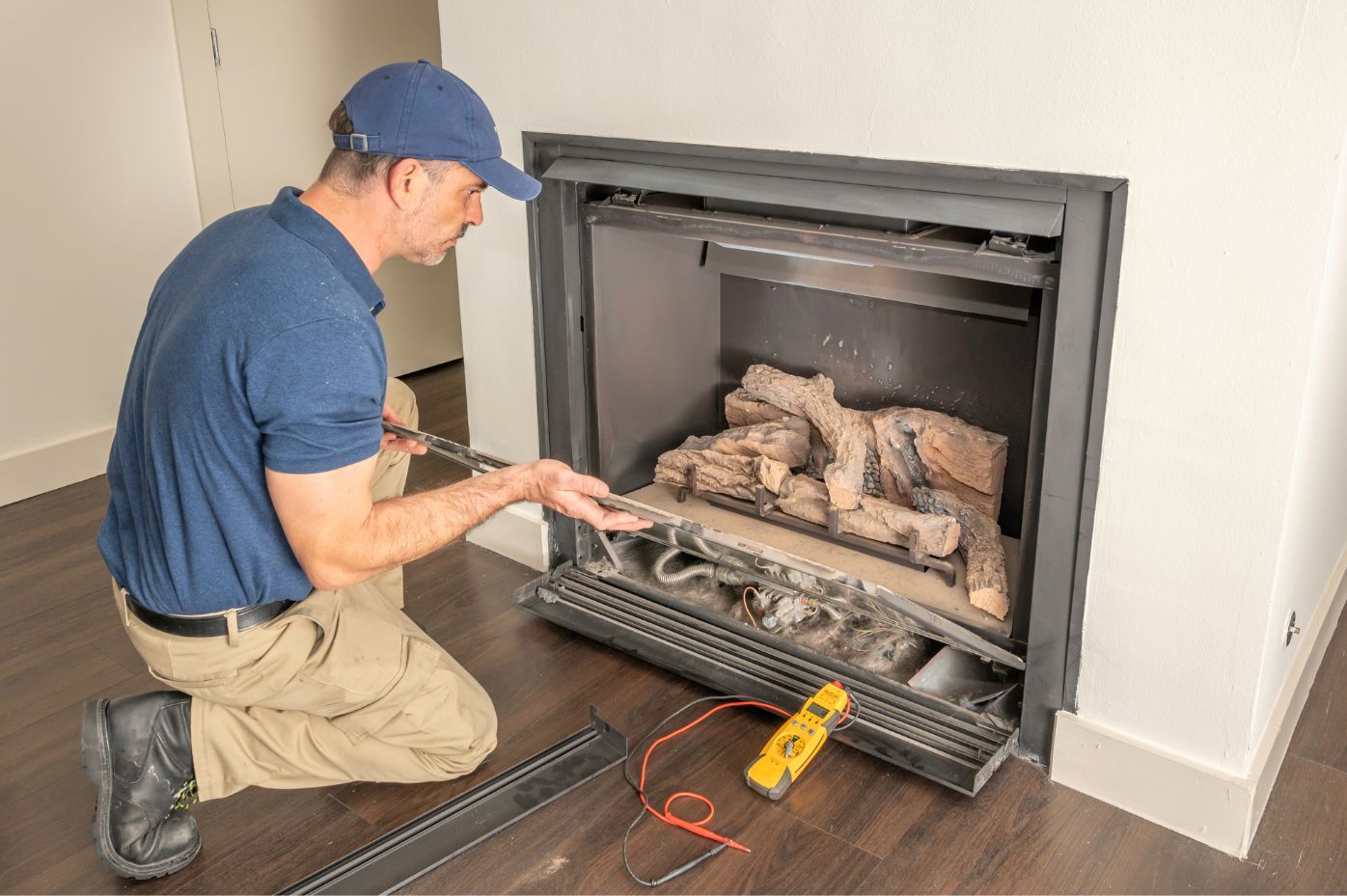
Checked before anything is ordered
- Ignition system type identified
- Gas valve checked against receiver output
- Receiver matched to your existing hub
- Full cycle test before we leave
What you're seeing, and which part it points to
Three ignition systems appear in most Lakewood and Denver Metro homes: standing pilot, millivolt and IPI. Each takes a different integration path, and each symptom below traces back to one specific part of that chain, not a product off a shelf.
Voice command ignites the flame, but the app still shows it as offFirebox
The ignition module in the firebox and the receiver reporting to your app are often sending different signals. We check the valve output against the receiver's input spec before anything is reinstalled.
See gas fireplace inspectionThermostat schedule never triggers the pilotGas valve
A standing pilot system can often accept a smart receiver, but only after the valve is checked for compatibility. Without that check, a thermostat schedule can be sent but never reach the burner.
See draft analysisA new receiver won't pair with the hub you already runSmart home hub
Some smart fireplace kits are locked to a proprietary app rather than your existing platform. We spec open-protocol or multi-platform receivers wherever possible so the fireplace joins your Google Home, Alexa or HomeKit setup instead of sitting beside it.
See Level 2 inspectionSmart control drops signal within days of installReceiver
A receiver not spec'd for daily cycling can develop signal issues within one heating season, especially in homes running the fireplace heavily from October through April. We test through multiple ignition cycles before we leave.
See post-fire inspectionWiring won't reach from the firebox to the wall switchWiring harness
Older installations sometimes have undersized or misrouted low-voltage wiring. We replace or extend the run from the firebox cavity to the wall control before a receiver goes in, not after.
See full chimney repairA millivolt system won't accept any WiFi moduleGas valve
A millivolt system generates its own low-voltage current and can't plug into a WiFi module directly. It needs a receiver bridge, and the valve compatibility has to be confirmed before that bridge is ordered.
See gas log installation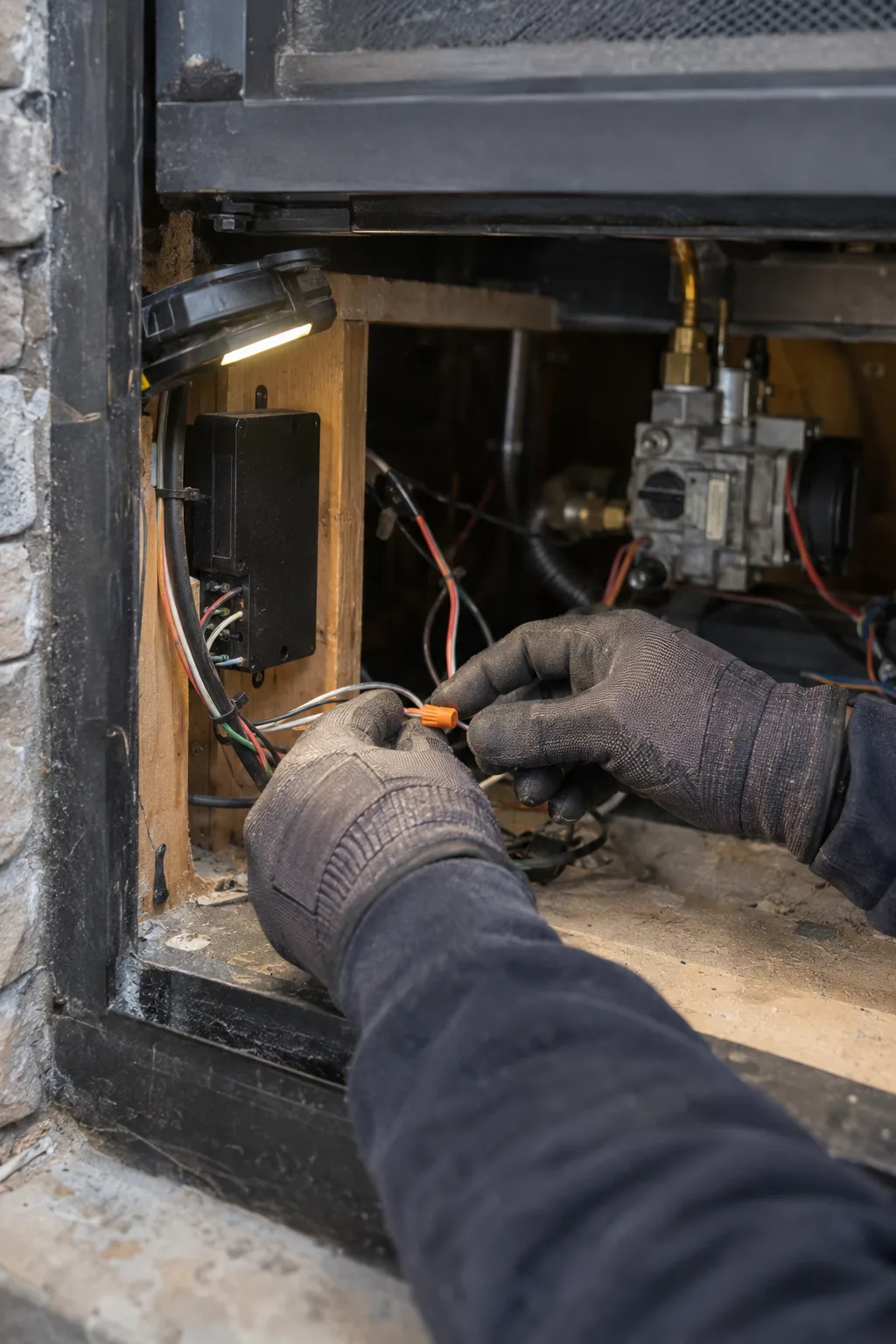
Green Mountain and west Lakewood lead this retrofit category
Newer construction along the Green Mountain corridor is the most active area for smart fireplace retrofits.
Many Green Mountain homes built between 2005 and 2018 were pre-plumbed for gas fireplaces with IPI systems. That's a good starting point. IPI ignition is the friendliest base for smart home hub integration, connecting a fireplace control system to a platform like Google Home, Amazon Alexa or Apple HomeKit.
The complexity usually isn't in the fireplace itself. It's in the wiring harness, the low-voltage wiring assembly connecting the ignition module to the wall control, receiver or automation bridge. Older installations sometimes have undersized or misrouted wiring that has to be replaced or extended before a smart receiver can go in.
Jefferson County's elevation and seasonal temperature swings matter too. Homes in this corridor run their fireplaces heavily from October through April. A smart integration not spec'd for daily cycling can develop receiver signal issues within one heating season.
What a Lakewood smart integration job taught us last winter
Every job teaches you something about what the spec sheet doesn't say.
The job was off Kipling in west Lakewood, a 2012 build with a gas insert, an IPI system, and a homeowner who had already installed a Google Nest system throughout the house. Everything was smart except the fireplace, and he'd already bought a third-party WiFi receiver kit online.
Our technician pulled the valve specs before discussing the kit. The valve was rated for 24-volt control. The receiver he'd purchased output 750 millivolts, different worlds, and installing it would have created an unreliable signal that might have appeared to work for a few weeks before failing.
- 1 Valve spec checked
Sourced a 24-volt compatible receiver once the gas valve's input spec was confirmed.
- 2 Wiring run and thermostat linked
New low-voltage wiring from the firebox to the wall switch, then the fireplace was configured to respond to Nest temperature targets instead of operating on its own.
- 3 Hub paired and cycle tested
Receiver paired to his Google Home hub and run through three ignition cycles. Voice command, app control and thermostat-triggered ignition all confirmed before we left.
Valve spec first, wiring second, hub pairing third. That sequence is the only reliable order. The valve check is where the whole integration either holds together or doesn't.
AR Chimney Pros field team, Lakewood dispatch
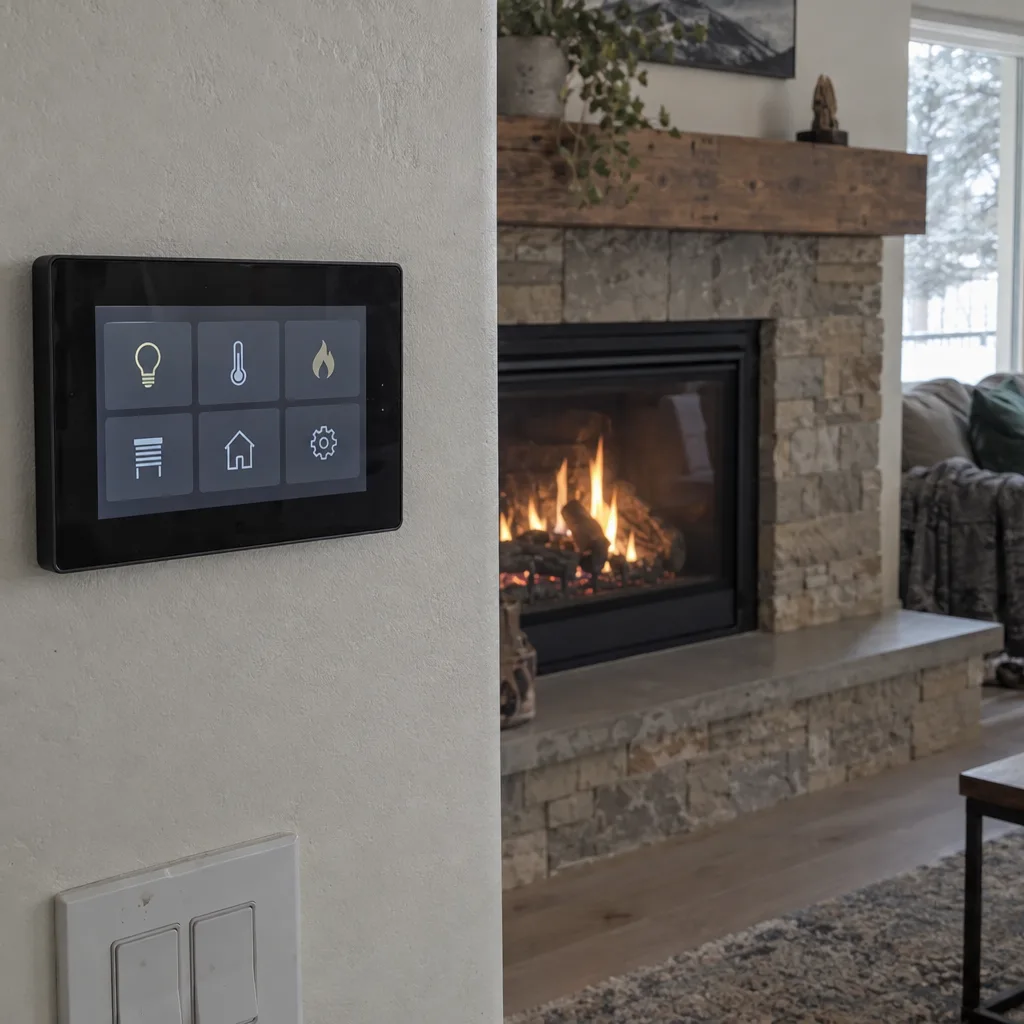
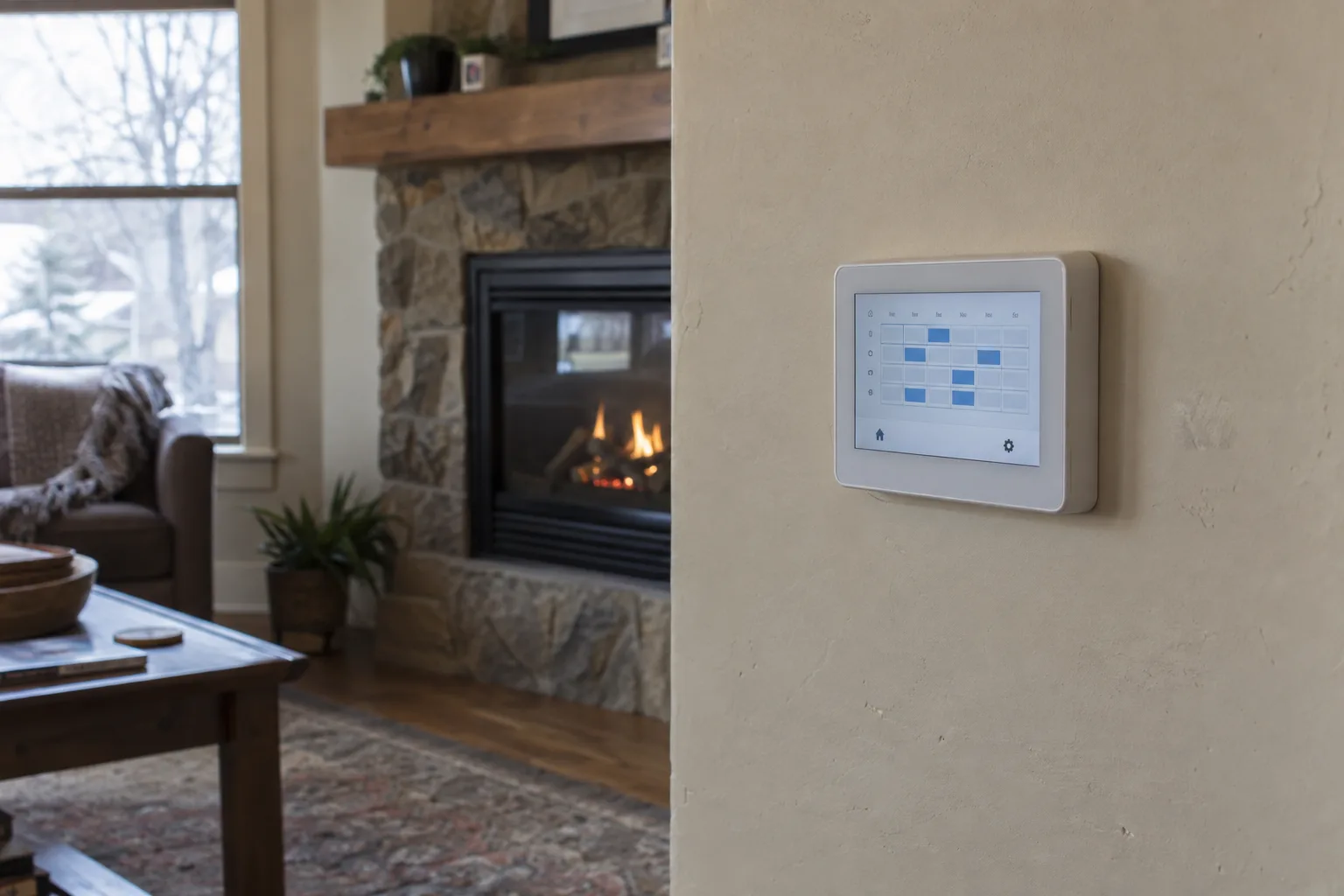
We build around the hub you already have
Smart fireplace integration at AR Chimney Pros is built around your existing platform, not a single brand.
We see homes running Google Home, Amazon Alexa and Apple HomeKit in equal measure across the Denver Metro. We don't push one ecosystem. The receiver and bridge components we specify are matched to whatever hub is already in your home.
This matters more than most people expect. Some smart fireplace kits are locked to a proprietary app, which means a separate interface, a separate account, and a fireplace that doesn't participate in your home automation routines. We spec around open-protocol or multi-platform receivers wherever possible so your fireplace shows up inside your existing smart home, not alongside it.
Our standards for smart fireplace installation
Every component is verified against your specific valve, ignition type and hub before installation begins. Three coats of verification, not a product drop-off.
- Ignition type identified firstNothing is specified before we know what system is already in place.
- Valve compatibility checkedGas valve output is checked against the receiver's input specification.
- Low-voltage wiring inspectedReplaced or extended where needed before a receiver goes in.
- Receiver matched to your hubGoogle Home, Alexa, HomeKit or Z-Wave, matched to what's already running.
- Thermostat integration testedConfigured and run through multiple temperature cycles before sign off.
- App control and voice command verifiedConfirmed on-site before the job closes.
- No proprietary-only receivers without confirmationWe won't lock your fireplace into a separate app without your agreement.
How smart fireplace installation works
Three stages, in the same order, on every integration job.
-
1
Ignition type and valve assessment
We start with your fireplace, not a product catalog.
The technician identifies your ignition system type, pulls valve specs and checks existing low-voltage wiring condition. We also confirm your smart home platform so the receiver can be selected before we order anything. This step typically takes 30 to 45 minutes, and it determines everything that follows.
-
2
Component selection and installation
Component selection happens after assessment, not before.
We source a compatible fireplace ignition module and receiver, run or extend the wiring harness as needed, and install the receiver in the firebox cavity. The wall control is updated or replaced to match the new system, and hub pairing is completed on-site. We don't hand you a QR code and leave.
-
3
Cycle testing and hub confirmation
We run a full cycle test before we pack up.
App-triggered ignition, voice command ignition, thermostat-triggered ignition and manual wall control are all confirmed working. We also verify that the fireplace appears correctly in your home automation dashboard and responds to any schedules or routines you want to set up.
Areas we serve for smart fireplace integration
AR Chimney Pros serves Lakewood and the surrounding Denver Metro from our Jefferson County dispatch.
We dispatch from our Lakewood office at 12640 W Cedar Dr. Most west-side jobs reach the site within the same scheduling window. Boulder, Longmont and Castle Rock are also within our regular service area.
- Lakewood
- Denver
- Arvada
- Wheat Ridge
- Golden
- Englewood
- Littleton
- Westminster
- Aurora
- Thornton
- Broomfield
- Highlands Ranch
Related installations
Other upgrades we fit alongside a smart fireplace retrofit.
Frequently asked questions
Smart fireplace questions we answer most often on the phone.
How much does smart home fireplace installation cost in Lakewood?
Most smart integrations on an existing IPI or millivolt system start around $1,050, with the final number set by ignition system type, valve compatibility, wiring condition and hub platform. A compatibility assessment is completed before any components are specified or purchased. Call 720-608-7668 to schedule that assessment first.
My fireplace has a millivolt system. Can it work with Google Home or Alexa?
Yes, a millivolt system can be integrated, but not with a direct WiFi plug-in. A receiver bridge is required between the valve and the smart hub. The valve output must be checked against the receiver's input spec first. Skipping that check is the most common cause of smart fireplace failures we diagnose.
How long does the installation take from the first visit to fully working?
Most installations complete in two visits. The first covers ignition type identification, valve spec checks and wiring assessment, typically 30 to 45 minutes. The second handles component installation, low-voltage wiring and full hub pairing. App control, voice command and thermostat-triggered ignition are all confirmed before the technician leaves.
What's different about how you handle smart fireplace integration versus a general electrician?
We start with the gas valve spec, not the hub pairing. Electricians and AV installers typically work from the hub outward. We work from the firebox outward, because a voltage mismatch at the valve level will cause the entire system to fail. The gas side of the integration drives every component decision.
Will it work with the home automation platform I already have?
Your existing platform drives the component selection. We match receivers to Google Home, Amazon Alexa, Apple HomeKit and Z-Wave setups. Proprietary-only receivers that require a separate app are avoided unless you specifically request one. The goal is for your fireplace to appear inside your current smart home, not alongside it.
Do I need to know my ignition system type before calling?
No. Our technician identifies the ignition system type, pulls valve specs and checks low-voltage wiring condition during the on-site assessment. If you already know your system type and hub platform, share that when you call, it helps us arrive prepared. Either way, nothing is ordered until the assessment is complete.
More questions about your system? Read the full FAQ.
Connect your fireplace to your smart home
Smart home fireplace installation in Lakewood starts with a compatibility assessment, not a sales call.
Call AR Chimney Pros at 720-608-7668 or email info@archimneypros.com to schedule. Tell us your ignition system type and smart home platform if you know them. If you don't, we'll figure it out on-site. Either way, the assessment happens before any component is specified or purchased.