
A Chimney Cleaned Twice That Still Smokes Has a Physics Problem
Denver's 5,280 foot elevation reduces the draft pressure every chimney here must overcome. No amount of cleaning changes that math.
A chimney draft analysis measures the pressure that moves combustion gases out of your home, before any fix is recommended.
Dispatching from 12640 W Cedar Dr, Unit 7, Lakewood.
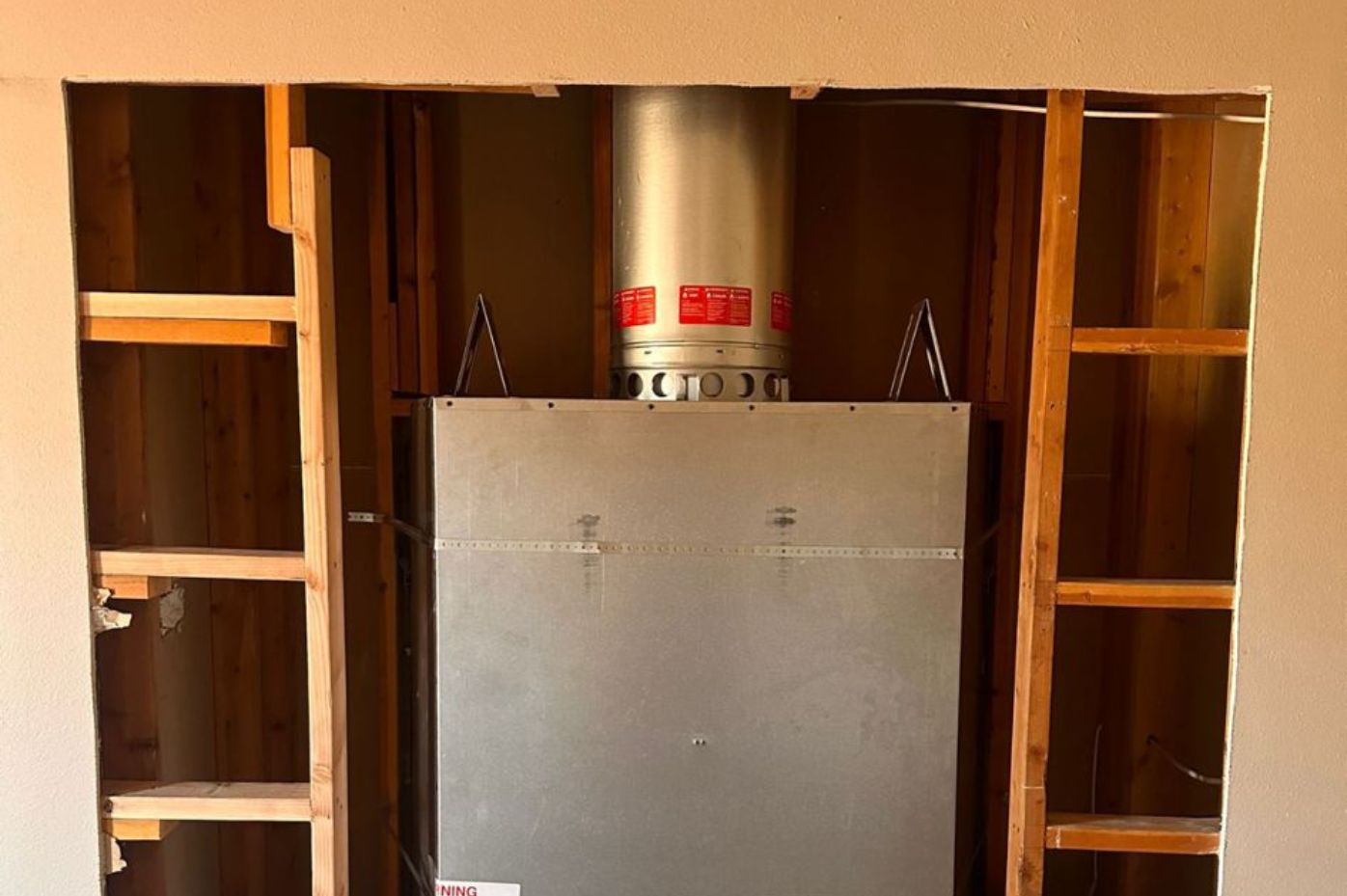
What we measure
- Draft pressure at the firebox, in Pascals
- Interior to exterior building pressure
- Flue height, cross section and liner condition
- Altitude factored into every threshold
What chimney draft analysis actually does
Chimney draft, the upward movement of combustion gases through the flue, depends on pressure and temperature, not just cleanliness. Each symptom below points to a specific part of the system we test before recommending a fix.
Smoke chamberSmoke rolls back into the room
A smoke chamber that is oversized, offset or mismatched to the flue breaks the draw before it reaches the flue liner. We confirm this with a pressure reading at the firebox rather than guessing from smoke behaviour alone.
Book a draft analysisFlue linerFireplace smoked the first fire after a fresh sweep
A clean flue can still be too short or too narrow for the appliance it serves. We measure flue height and cross section against appliance output before touching anything else.
Book a draft analysisFireboxFlames struggle to catch and stay lit
Weak draft at the firebox is often the first sign of altitude draft deficit, the reduced buoyancy that comes with Lakewood's elevation. A gauge reading tells us how far below operational range the pressure actually sits.
Book a draft analysisDamperSmoke smell lingers with the damper shut
This usually points to negative building pressure pulling air down the flue between fires rather than a damper seal problem. We test interior to exterior pressure to confirm it.
Book a draft analysisCapDowndrafts show up on windy days
Standard caps can block or reverse draft in certain wind directions. We check whether a directional cap would resolve it before recommending a replacement.
Book a draft analysisBuilding pressureDraft got worse after new windows or insulation
A tighter building envelope often creates negative pressure indoors, which competes with the flue for makeup air. We confirm this with a door blower reading and plan an airflow correction if it's the cause.
Book a draft analysis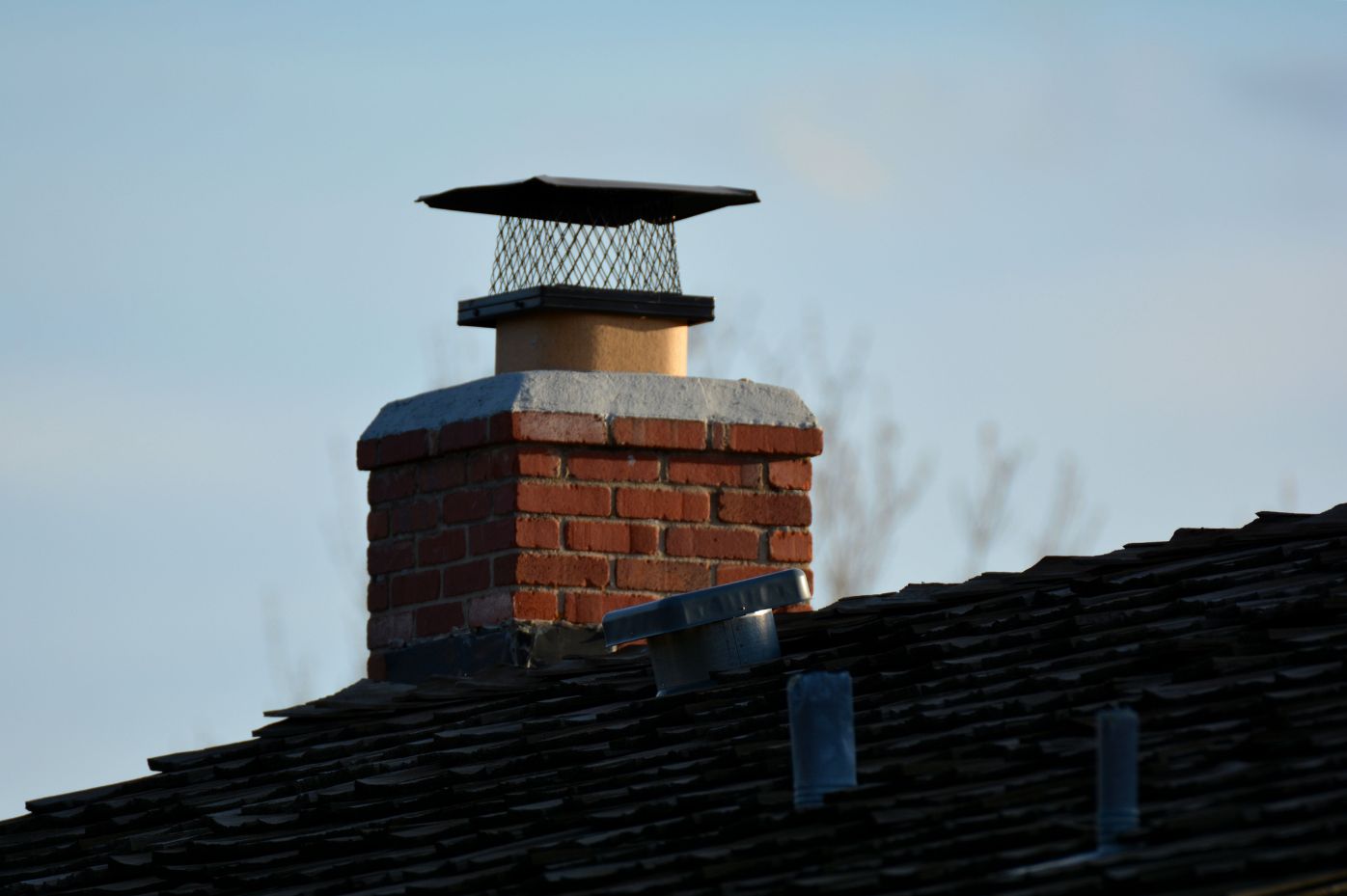
Elevation driven draft challenges in the foothills corridor
Altitude draft deficit is real, measurable, and specific to Colorado's elevation.
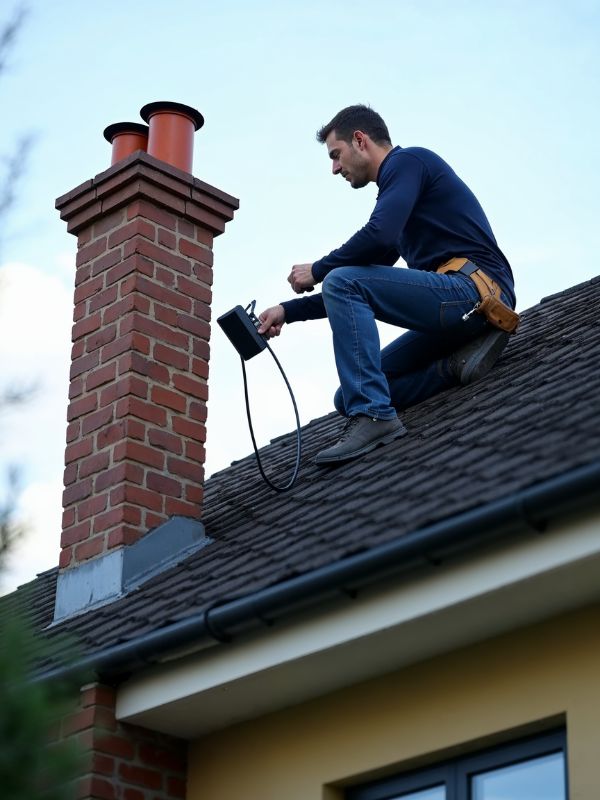
AR Chimney Pros works across the Lakewood to Evergreen corridor, from flat elevation neighborhoods near Wadsworth to foothills communities where elevation climbs quickly between streets. A chimney in Morrison sits several hundred feet higher than one ten miles east in Lakewood. That difference changes how much draft pressure the flue can naturally generate.
Altitude draft deficit, the reduction in natural draft performance above 2,000 feet, affects all chimneys in the Denver metro. Foothills homes west of Lakewood face a compounded version. The thinner air reduces buoyancy force, and wind patterns off the Front Range add pressure variation. These are site specific conditions, which is why we read draft pressure at the firebox and flue before recommending anything.
- 5,280 ft
- Elevation at our Lakewood dispatch
- 60 to 90 min
- Typical draft analysis appointment
- 4 causes
- We test for before any correction
How a measured draft test revealed the real problem
A pressure reading confirms what visual inspection cannot.
No amount of sweeping changes a pressure imbalance. Confirming the cause comes first, then the correction gets matched to it.
- The call
A homeowner in the Golden adjacent part of unincorporated Jefferson County had her chimney swept twice in the same season. Both times, a crew came out, cleaned the flue, declared it clear, and left. Both times, the first fire of the next weekend put smoke into the living room.
- The measurement
We brought a draft gauge, a tool that reads draft pressure in Pascals, the unit used to measure the pressure differential between the firebox interior and the outside air. The flue was genuinely clean, no blockage. But the draft pressure reading at the firebox came in below the operational threshold for a chimney this height and cross section.
- The cause
The house had been recently weatherized: new windows, foam sealed rim joists, added attic insulation. The result was a negative building pressure condition, where the interior sits at lower air pressure than the exterior, pulling air inward through any available opening, including straight down the flue.
- The fix
We recommended a top sealing damper to control the air column when the fireplace wasn't in use, and walked through a makeup air strategy before lighting any fire. The problem stopped. That is what a draft analysis is for: confirming the cause first, then matching the correction to it.
Our standards for draft analysis and airflow correction
Every correction AR Chimney Pros recommends is matched to a confirmed, measured cause, not a visual estimate.
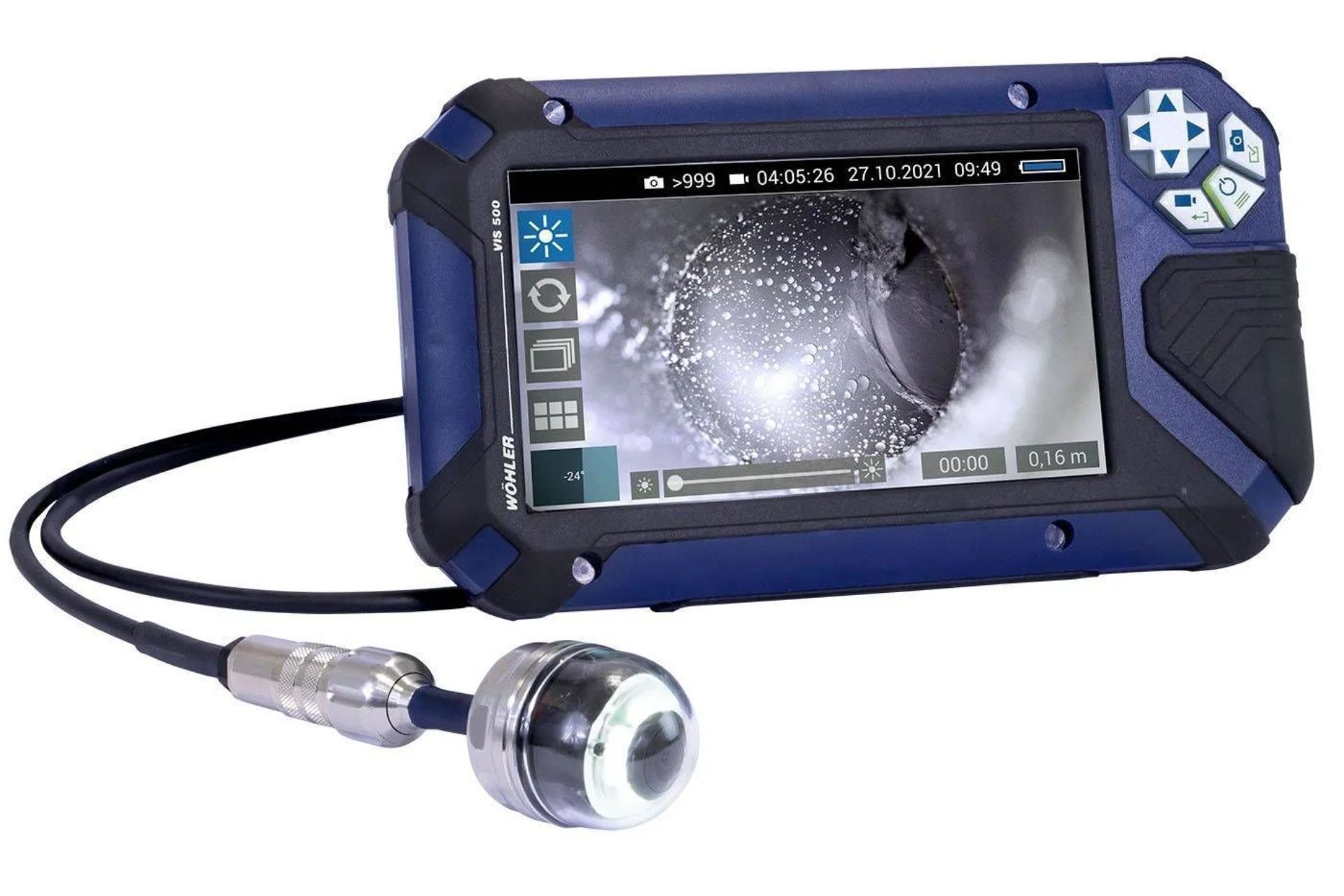
- Draft pressure readings at the fireboxTaken with a calibrated gauge, measured in Pascals against established operational thresholds.
- Altitude adjustment factored inAt 5,280 feet, baseline draft expectations differ from sea level specifications, and we account for that in every reading.
- Building pressure evaluatedAlongside flue performance. Modern, well insulated Colorado homes commonly create negative building pressure that affects draft.
- Flue geometry documentedHeight, cross sectional area, and liner condition all affect draft capacity and are reviewed before any correction is proposed.
- Correction options presented by confirmed causeDraft cap, smoke guard, height extension, or airflow balancing, each with the matched reason for it.
- No speculative upsellsIf the flue is clean and structurally sound, we say so.
Our draft diagnostic and correction process
The process moves from confirmed diagnosis to targeted correction, in a single structured appointment.
-
1
Pressure measurement and cause identification
We begin with a draft pressure test at the firebox. The reading tells us whether draft is within operational range or deficient, and by how much. We also check for negative building pressure using a door blower method, and measure flue height and cross sectional area against appliance output and liner sizing.
This step confirms whether altitude draft deficit is the primary factor or a contributing one. At Lakewood's elevation, it's almost always a factor, but rarely the only one.
-
2
Targeted correction
Corrections are applied only after the cause is confirmed. A smoke guard, a metal panel installed across the top portion of the fireplace opening, works when flue to opening geometry is mismatched. A flue height extension adds liner sections to lengthen the vertical gas column. A draft cap with directional geometry uses wind energy rather than blocking it, replacing standard caps when wind direction contributes to draft reversal.
Airflow correction, adjusting how makeup air enters the home before a fire, is part of the plan for negative building pressure situations.
-
3
Post correction verification
After any correction is installed, we re-read draft pressure at the firebox and light a test fire to observe draw behavior in real operating conditions. The appointment doesn't close until the draft reads within operational range and smoke exits cleanly.
Areas we serve
AR Chimney Pros provides chimney draft analysis across the Greater Denver Metro.
We serve Lakewood, Denver, Wheat Ridge, Arvada, Golden, Morrison, Evergreen, Englewood, Littleton, Westminster, Aurora, Thornton, Highlands Ranch, Centennial, Boulder, and communities throughout the Front Range foothills corridor. From Edgewater to Conifer, our crew covers the full service area.
- Lakewood
- Denver
- Wheat Ridge
- Arvada
- Golden
- Morrison
- Evergreen
- Englewood
- Littleton
- Westminster
- Aurora
- Thornton
- Highlands Ranch
- Centennial
- Boulder
Related inspection services
If draft is only part of the question, these cover the rest of the system.
Frequently asked questions
Draft analysis questions we answer most often on the phone.
How much does a chimney draft analysis cost in Lakewood, CO?
Pricing depends on your home's flue configuration and elevation profile. AR Chimney Pros uses a measured diagnostic process with a draft gauge and building pressure evaluation. Call 720-608-7668 for current pricing.
How long does a chimney draft analysis appointment take?
Most draft analysis appointments run between 60 and 90 minutes. Pressure readings, building envelope evaluation, and flue geometry measurements all happen in one visit. Correction recommendations are delivered before the technician leaves. A second visit is only needed if a physical correction like a flue height extension is required.
My chimney was just cleaned. Why would a draft test find anything new?
Cleaning removes debris. A draft test measures pressure, and those are two separate things. A clean flue can still fail to draw if altitude deficit, negative building pressure, or geometry mismatch is the real cause. Most repeat smoke complaints we diagnose involve a flue that is genuinely clean but physically undersized or pressure starved for its environment.
What exactly is a draft pressure reading, and does it prove anything?
Draft pressure is measured in Pascals, the pressure difference between your firebox and the outside air. A calibrated gauge produces a number, not an opinion. That reading tells us whether your flue is generating enough pull to safely exhaust combustion gases, and it confirms or rules out altitude draft deficit, negative building pressure, and geometry problems before any correction is recommended.
What corrections come out of a draft analysis, and which one will I need?
Four corrections are used depending on confirmed cause: a smoke guard for geometry mismatches, a flue height extension for short flues, a draft cap for wind related reversal, and airflow balancing for negative building pressure. No correction is recommended until the pressure reading confirms the cause. One diagnosis, one matched fix, not a list of options to try.
What makes this diagnostic different from a cleaning company checking the draft?
Visual checks look at smoke behavior and hand near the opening feel. AR Chimney Pros reads draft pressure with a calibrated gauge and tests interior to exterior air pressure separately. That is instrument confirmed data versus observation. At Denver's elevation, visual checks routinely miss altitude driven deficits that read clearly on a gauge.
More questions about your system? Read the full FAQ.
Schedule a chimney draft analysis
A smoking chimney that's already been cleaned needs a pressure reading, not another sweep.
Call us at 720-608-7668 or email info@archimneypros.com to schedule a chimney draft analysis for your Lakewood area home. We identify the cause with measured data, altitude, pressure, or geometry, before recommending any correction.