
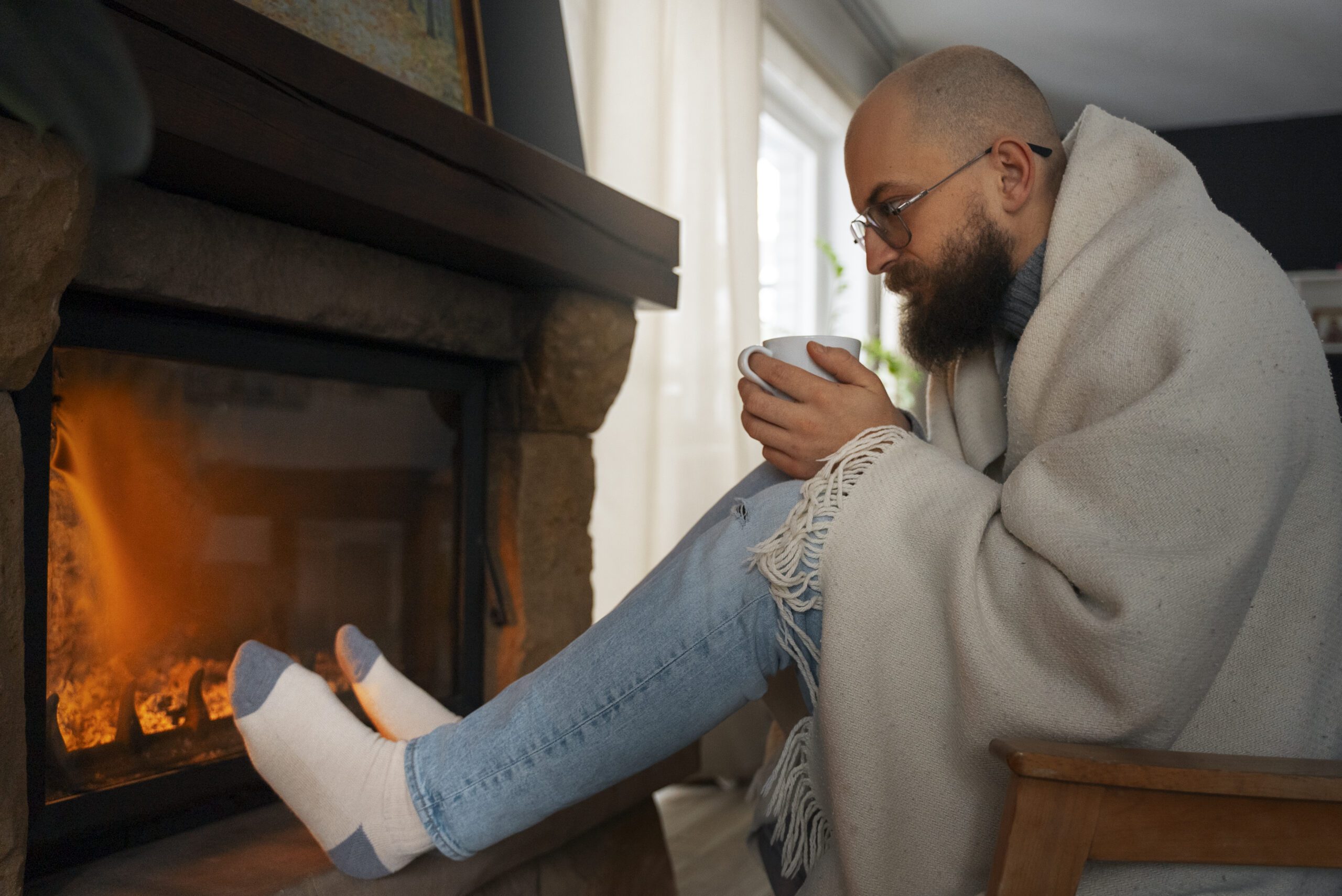
What to Expect During a Gas Fireplace Installation in Colorado
Gas fireplace installation should feel simple and safe. Here is the short story. A pro visits, checks the space, plans venting and gas line, pulls needed permits, installs the unit and vent, tests for leaks, teaches you the controls, and cleans up. You end the day with warm flames and clear next steps for care.

African american woman in overalls and beret in room with wooden table and fireplace.
Why a gas fireplace makes sense in Colorado
Gas fireplaces give quick heat without hauling wood. They work during cold snaps and spring storms. With a modern unit, you push a button and get steady warmth. No ash piles. No chimney smoke smell. For busy homes, that is a win.
How AR Chimney Pros approaches your project
We talk first, listen to your goals, and walk your space. We check code needs in your city. We plan venting, the gas line path, and the best spot for controls. We set a date, bring protection for your floors, and do neat work. Think of us like a guide on a trail. You pick the view. We make it safe and easy.
Step 1: The first call and quick questions
We start with a short chat.
- What room will hold the fireplace
- Do you have an old wood or gas unit now
- Is there an existing chimney or no vent path yet
- How high is the ceiling
- Where is the gas meter
- Do you want a wall switch, remote, or smart control
A few photos help. A 5 minute call and a couple of pictures can save an extra trip. Simple as that.
Step 2: On site visit and safety check
A tech meets you at your home. You can expect the visit to cover:
- Room layout and clearances to windows, drapes, and furniture
- Wall structure and framing
- Vent path options through a wall or the roof
- Gas line size and route from meter or branch line
- Electrical outlet location for the blower and ignition
- Combustion air needs and make up air in tight homes
We carry a small level tool, but we say flat to keep it simple. We measure twice and plan once. You can peek over our shoulder. We like questions.
Step 3: Picking the right unit
We help you choose a unit that fits your room and your taste.
- Heat output that matches the room size
- Vent type that fits your house build
- View size and trim that fits your style
- Blower or no blower based on your aim
- Media options like logs, glass, or stones
If you live in a condo or townhome in Highlands Ranch, we look at HOA rules and vent clearances on shared walls. If you are in a single family home in Fort Collins, roof venting may make more sense. Each home gets a plan that fits the structure and code.
Quick note on vent free units
Many areas in Colorado do not allow vent free gas fireplaces. We stick with direct vent or B vent based on your layout and local code. Your lungs will thank you.
Step 4: Permits and scheduling
We handle permit forms and drawings if your city needs them. We schedule the inspection with your building office when install wraps up. This keeps things by the book and safe. You do not have to camp on hold with anyone. We keep you posted on date and time.
Step 5: Prepping the space
On install day, we arrive on time, lay down floor protection, and zip dust barriers if we open any wall. We cover nearby furniture. Pets and curious kids should have a safe hangout in another room. We need a clear path from the door to the work spot.
Step 6: Venting made clear
Your gas fireplace needs a safe vent path for exhaust and, with direct vent, for intake air too. Here is how we look at it.
- Direct vent through an exterior wall. Two pipes, one in and one out, often as a co-axial pipe. This gives a sealed burn and steady flames in windy days.
- Direct vent through the roof. This fits rooms where sidewall venting is blocked.
- B vent to the roof. Uses room air for combustion and vents exhaust out. Needs good draft and has more rules on clearances.
We seal joints, set proper rise and run, and cap the vent outside. Wind in the Front Range can gust hard. A good cap and correct height above the roof line keep the flame steady.
Step 7: Gas line work
We plan a route from the meter or an existing branch. We add a shutoff valve near the unit and a drip leg per code. We pressure test before we hook up the appliance. Safety first. No guessing. No leaks allowed.
Step 8: Electrical and controls
Most modern gas fireplaces use electronic ignition and offer a blower. We add or use an outlet as needed. We install your chosen control option. Wall switch, thermostat, or remote, we set it up and test range and response. If you want smart home control, we pick an option that works with your hub.
Step 9: Framing, surrounds, and finishing
If this is a new build in a blank wall, we frame in the box and set clearances. We install non combustible board where needed. If this is a swap in an old opening, we fit the insert and seal the surround. We do not choose your stone or tile. You can pick that part with your style in mind. We will guide clearances and materials that are safe.
Step 10: First light and testing
We check gas pressure at the valve. We soap test joints. We run the unit and watch the flame pattern. We set the air shutter if your unit has one. We confirm the blower runs and shuts off. We test the safety sensors. Then we hand you the remote and say your turn.
Step 11: Walkthrough and care tips
We show you how to light, adjust heat, use the fan, and clean the glass. We leave a simple care list. We book the city inspection if needed. We do a full clean up so the only mess is the box we carry out. You can sit, sip coffee, and watch the flame.
What we usually see in Colorado
Homeowners want real heat without fuss. Direct vent units are a common fit in many ranch style homes. Cold snaps can swing fast, so fast ignition and a blower help a ton. With dry air and big sun swings, vent seals and gaskets matter. We check them each year so winter wind does not sneak smoke back inside.
Altitude and weather notes
Colorado air is thin. That can change how gas burns. We set the unit to match altitude with proper orifices or settings called for by the maker. Winter is cold and dry, and spring can bring rain. Keep the vent cap clear of snow. Keep the unit off during long power cuts unless your unit has battery backup. If heavy wind visits, a well placed vent cap helps the flame stay even.
Risk and safety in plain talk
- Keep a safe gap from pillows, drapes, and wood trim
- Never use chemicals on the glass, use approved glass cleaner for gas units
- Use a safety screen when kids or pets are around
- If you smell gas, do not light anything, step outside, and call your gas company
That is it. Simple rules. Big payoff.
A quick story from the field
We once set a direct vent unit in a bonus room that faced west. The view was great, but wind loved that wall. We picked a vent cap built for gusts and set the height by code. First storm rolled in, flags flapped, and the flame never flickered. The owner just smiled and said, perfect.
How long does install take
Most installs wrap in a day. Add a bit more time if we run a long gas line or open walls. Permits and city checks can add a day in the schedule. We plan with you so timing stays clear.
Your home stays clean
We use runners and zip walls as needed. We vacuum as we go. We keep tools neat. The only surprise should be how quick you forget you ever used wood.
Troubleshooting tips after install
If something feels off, try these quick steps before you call.
- If the unit will not light, check the wall switch is on and the remote has fresh batteries
- If the pilot light is out, check the gas shutoff near the unit is open
- If flames look lazy and blue, make sure the glass is latched and sealed
- If the glass fogs up, run the unit for 30 minutes, new units burn off factory oils
- If you hear a rattle, check that the media, logs or glass, are seated as shown in the manual
- If the blower does not run, wait a few minutes, many fans start after the firebox warms up
- If you smell gas, stop, turn off the gas, open a window, step out, and call your gas company
Common myths and facts
- Myth: Gas fireplaces do not make real heat
Fact: Direct vent units can warm a big room fast - Myth: You never need service on gas units
Fact: Annual checks catch dust, gasket wear, and vent issues - Myth: Vent free is fine anywhere
Fact: Many Colorado towns do not allow vent free units - Myth: Any handyman can install one
Fact: Gas work, venting, and permits need trained techs
Care schedule that anyone can follow
Weekly
- Wipe the glass when cool with a soft cloth
- Keep the area around the unit clear by a few feet
Monthly
- Check the remote or wall switch for quick response
- Vacuum cool air intakes and trim with a brush tool
Yearly
- Book a safety check and cleaning before cold season
- We check gas pressure, seals, venting, blower, and flame
- We clean the glass with approved cleaner and reset media
- We inspect the cap outside for nests and debris
Picking vent paths, a closer look
Direct vent takes fresh air from outside and sends out exhaust through a sealed pipe. It keeps indoor air clean and steady. B vent draws room air. In some homes with tight windows and doors, B vent can struggle to draft in windy weather. We test draft and pick the right route for your build and your city code.
Where can a gas fireplace go
Many units fit living rooms, basements, bedrooms, and even offices. Clearances change by model. Exterior walls help with a short vent run. Basements often go up through a rim joist or up the roof where ribs and framing allow. We map the route and show you options.
What about old wood fireplaces
If you have a tired wood box, an insert can slide into the opening. We run a new vent liner up the chimney. We set a new cap. You get a modern look with the old charm. No wood piles on the patio. No ash.
What to expect from city inspections
A city inspector checks the vent, gas shutoff, drip leg, clearances, and unit label. The visit is quick. We meet the inspector if needed. This gives you peace of mind that your setup matches code.
Winter use tips in Colorado
- Keep snow clear from the vent termination by at least a foot
- During long cold snaps, a blower helps move heat down the hall
- If the unit has a thermostat, set a steady temp to avoid short cycles
- Use a safety screen, metal gets hot, do not touch
Glass care without streaks
Wait for the glass to cool. Use a gas fireplace glass cleaner or a simple product that the maker allows. Do not spray household glass cleaner with ammonia. Do not scratch at white film with a blade. White film often fades with a proper burn in cycle.
What we watch during install
- Clearances to framing and mantle
- Proper slope on horizontal vent runs
- Secure pipe joints with approved sealant or gaskets
- Correct gas line size based on length and load
- Correct orifices for altitude when called for by the maker
- Tight and even surround fit so no drafts sneak in
A little dialogue you might hear
- You: Do I need to leave the house
Us: Nope. Just keep pets safe and give us a clear path - You: Will there be a big mess
Us: We keep it tidy. We clean as we go - You: When can I light it
Us: After testing and the inspector gives a thumbs up if a permit is needed
Energy use and comfort
Gas fireplaces give quick heat with fine control. Many models let you turn down the flame but keep the look. Some offer zone heat so you warm the room you use and let the rest of the house coast a bit. That can feel nice on the wallet in long winters.
Smoke and odors
A new unit can give a light odor on the first few burns. This is normal. Run it on high for an hour with a window cracked during the break in. After that, it should be clean and clear. If you ever smell gas, stop and follow the safety steps above.
What if you move later
Modern gas fireplaces can add appeal to buyers. A clean unit with service records and a warm look helps show the home well in cold months. We can also service the unit before you list.
Why a pro matters
Gas, venting, and code sound easy until they are not. A pro looks at draft, wind, snow, and altitude. We pull permits, stand for the inspection, and test your system with proper tools. We also leave you with a clear plan so your unit runs for years.
Little things that make a big difference
- Quiet blowers that do not hum
- A remote with a simple layout
- A screen that stays cool to touch
- Log sets that look real and sit right
- A vent cap that laughs at wind
What to do before install day
- Move small items and decor from the work area
- Clear a path to the door
- Tell us about alarms or security systems that may need a heads up
- Plan a safe spot for pets
We will handle the rest.
Seasonal Colorado notes
Storms can roll over the foothills fast. Spring rain can turn to slush, then back to sun. That is why we check flashing around roof vents and seal wall thimbles tight. Dry air can shrink gaskets over time. During your yearly check we replace worn parts so the unit stays tight.
FAQs
Q: How long does a gas fireplace installation take
A: Many installs take one day. More time may be needed for long gas runs or new framing. We set clear timing with you before we start.
Q: Do I need a permit in Colorado
A: Many cities do. We manage the paperwork and schedule the inspection. You get a copy for your records.
Q: Can you install in a basement with no chimney
A: Yes. Direct vent units can exit a side wall or go up through the roof. We plan the route after a site visit.
Q: Will a gas fireplace work during a power outage
A: Some models have battery backup ignition. Blowers need power, but the flame can still run on many units with battery backup. Ask us to set this up.
Q: How safe is the glass front
A: The glass gets hot. Use a safety screen and teach kids not to touch. Let the unit cool before you clean it.
Q: How often should I service my gas fireplace
A: Once a year before cold season. We check pressure, seals, venting, and clean the glass and media.
Q: Can you convert a wood fireplace to gas
A: Yes. A gas insert can fit the old opening. We run new vent liners and hook up gas and controls.
Q: What size room can a gas fireplace heat
A: It depends on the unit and the room. We pick a model that fits your space so you feel warm without overheating.
If you want a gas fireplace that works right the first time, AR Chimney Pros can help. We plan, permit, install, and test, then we show you simple care steps so you feel at ease the first time you press On. Call 720-608-7668 or visit https://archimneypros.com to schedule your visit and warm up your home with a safe, clean, and friendly install.






Leave A Comment