A Written Inspection Report for Every Level 1 Visit in Lakewood
Covers crown, cap, mortar joints, liner and firebox, all documented per NFPA 211.
A Level 1 inspection is the baseline visual exam every chimney needs before each heating season. You get a written report, not just a verbal summary.
Dispatching from 12640 W Cedar Dr, Unit 7, Lakewood.
Every Level 1 visit includes
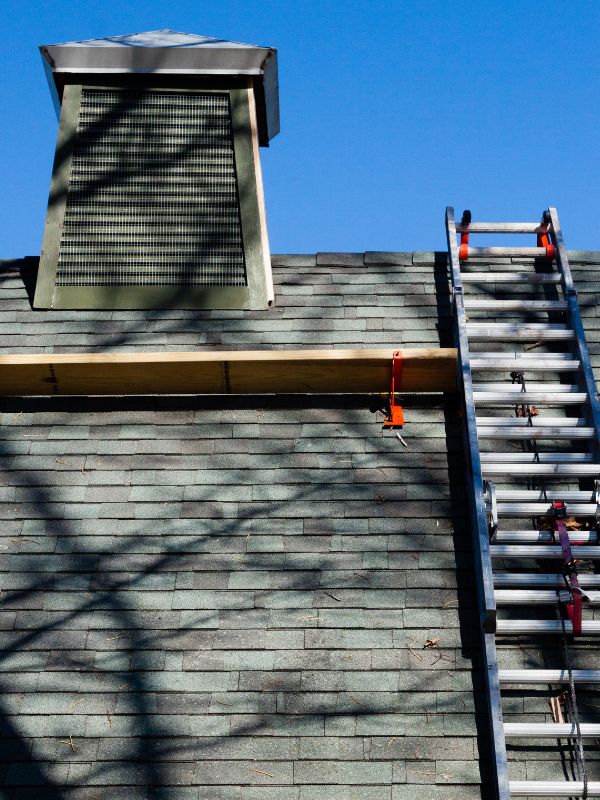
- Crown, cap and mortar joint check
- Firebox and damper assessment
- Accessible flue portions reviewed
- Written, component-by-component report
What a Level 1 inspection actually covers
Cleaning and inspection are not the same service.
Cleaning removes what's inside. Inspection identifies what's wrong: a cracked chimney crown, deteriorating mortar joints, a blocked accessible flue portion, or a missing chimney cap. A chimney can be perfectly clean and still be unsafe to use.
NFPA 211, the National Fire Protection Association standard that governs chimney and venting system work, defines three inspection tiers. Level 1 is the entry point. It covers every readily accessible portion of the chimney system. No camera equipment, no demolition, just a technician working through a documented checklist, component by component.
At AR Chimney Pros, every Level 1 inspection produces a written report. You keep it. It covers what was checked, what condition each component is in, and what needs attention, if anything. That report is yours whether the system passes or not.
Why Lakewood chimneys need this check every year
Colorado's freeze and thaw cycle puts specific, predictable stress on every component a Level 1 inspection covers.
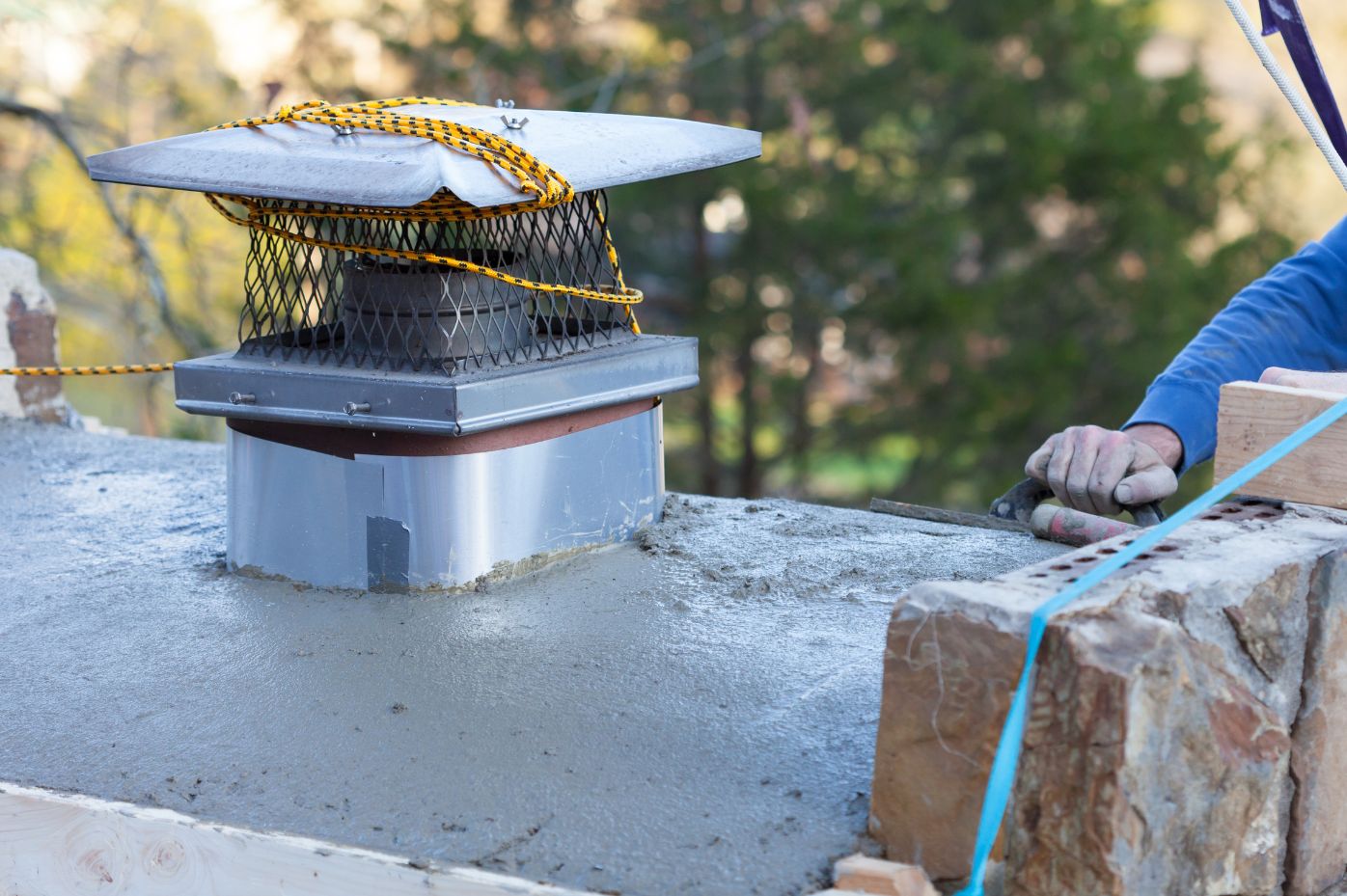
Lakewood sits at roughly 5,500 feet. Temperatures swing hard in fall and early spring: above freezing by afternoon, below it by midnight. That daily cycle forces water into masonry pores, then expands it. Mortar joints between brick courses are the first to show it. Then the chimney crown, the concrete cap at the top of the stack that sheds water away from the flue opening, starts to crack and separate.
Here's what most Lakewood homeowners discover: the damage doesn't always look dramatic. A hairline crack in the crown or a soft mortar joint between courses is easy to miss from the ground. It becomes obvious only after a winter of moisture working deeper into the stack.
We're based at 12640 W Cedar Dr in Lakewood. Most Lakewood zip codes are under 10 minutes from our office, so same-week scheduling for Level 1 inspection appointments is genuinely available.
- 5,500 ft
- Approximate elevation in Lakewood
- 45 to 90 min
- Typical length of a Level 1 visit
- 3 tiers
- Of inspection defined by NFPA 211
What one Level 1 visit looks like in the field
A Level 1 inspection is structured, documented and moves through the chimney system in a specific order.
Here's what actually happens during a Level 1 inspection appointment: the process is more methodical than most homeowners expect.
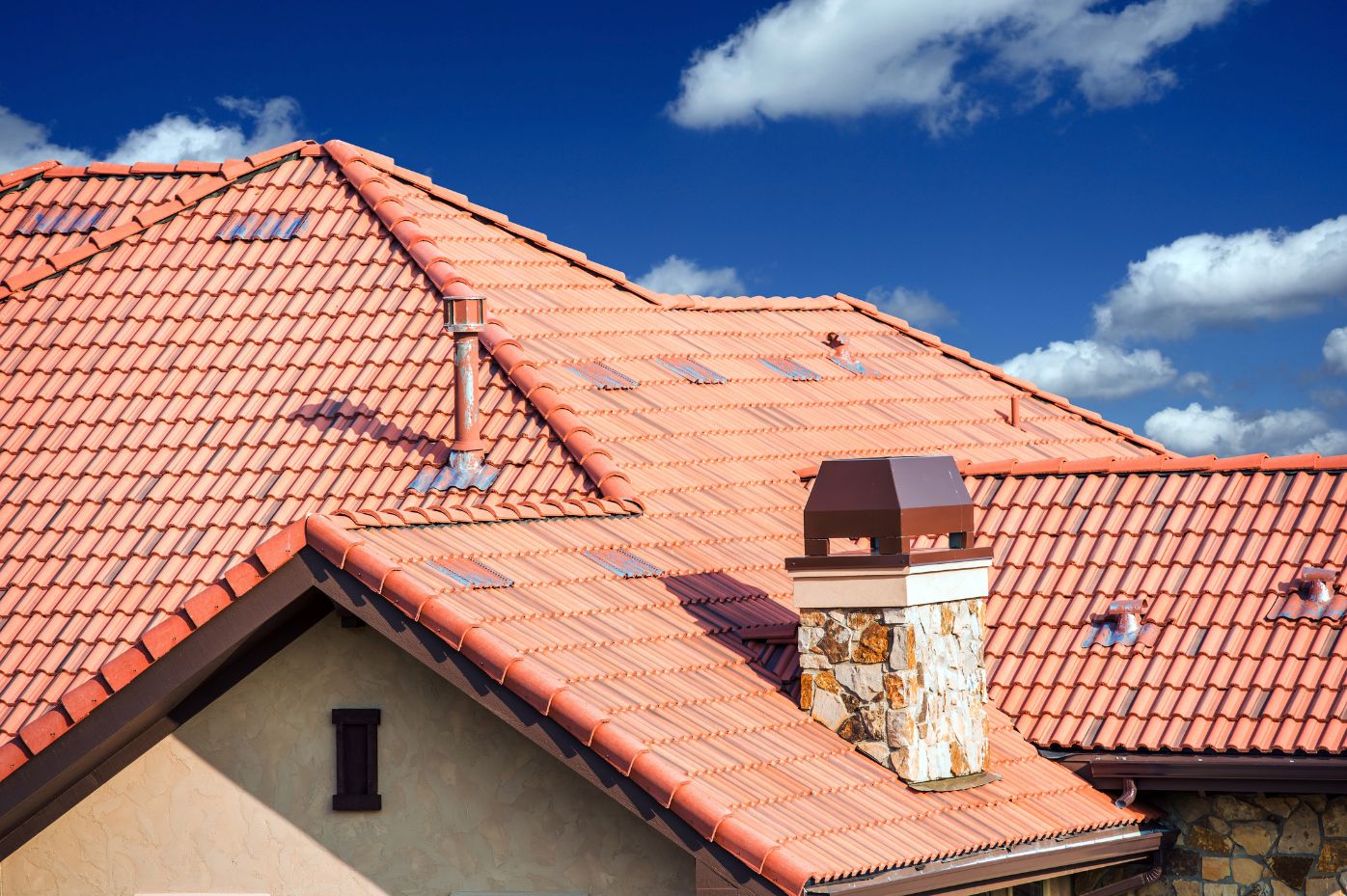
We start outside. The technician checks the chimney exterior: brick courses, visible mortar joints, the crown condition and the chimney cap. The cap is the metal cover that fits over the flue opening and keeps rain, debris and animals out. Missing or damaged caps are one of the most common findings in Lakewood, especially after storms push debris across the metro area.
The crown gets close attention. In Colorado it's one of the most consistent failure points. We look for separation from the flue tile, surface cracking, or areas where water has already found a path in. That kind of damage is fully visible at Level 1, no camera needed.
Then we move inside. The firebox, the interior chamber where the fire burns, gets checked for cracked refractory panels, loose mortar between the firebrick, and the condition of the damper. The damper is the metal plate that controls airflow and seals the flue when the fireplace isn't in use. A damper that won't seal properly is a real heat loss issue heading into a Lakewood winter.
Finally, we check the accessible flue portions, the sections visible from the firebox below and the cap above. This is the portion NFPA 211 defines as readily accessible without tools or disassembly. If something in that visible range warrants a deeper look, we note it in the report and explain what a Level 2 inspection would add.
The whole visit is documented as it happens, nothing verbal only. When we leave, you have a written record of every component we checked and its condition at the time of inspection. That documentation matters for homeowners associations, real estate transactions and insurance carriers, and it's included on every visit, not just on request.
See Level 2 inspectionDo you need the report if everything checks out?
Yes, you get the written report even when the chimney passes with no concerns.
A lot of homeowners ask whether they really need a written report if the inspection goes well. The answer is yes, and here's the practical reason why.
A Level 1 inspection report is a snapshot in time. It documents the chimney's condition on a specific date. If something changes six months later, you have a baseline. If you're selling the house, a buyer's agent or inspector can review it. If an HOA or insurance carrier asks about chimney condition, you have paperwork showing it was inspected per NFPA 211 standards.
We write the report the same way whether the system is in perfect condition or needs immediate work. That consistency is the point. A verbal summary during a visit doesn't hold up if a question comes up later. A dated, component-by-component written record does.
Our standards for Level 1 inspections
Every Level 1 inspection at AR Chimney Pros follows NFPA 211 standards without shortcuts. We use our 20 person team to keep scheduling flexible, so you won't wait weeks for a routine visit.
- Crown assessmentSurface cracks, separation from flue tile and water intrusion evidence are noted and photographed.
- Chimney cap conditionFit, corrosion, physical damage and screen integrity checked and documented.
- Mortar joint inspectionExterior brick courses evaluated for freeze and thaw damage, spalling, or soft mortar between joints.
- Firebox examinationRefractory panels, firebrick mortar and damper operation assessed.
- Accessible flue portionsVisible liner sections reviewed from the firebox and the cap entry point.
- Written report deliveryEvery finding recorded by component. You keep the full report.
How the Level 1 appointment works
Three stages, in the same order, on every Level 1 visit.
-
1
Before we enter the home
The technician arrives and starts with a full exterior walk around. Crown, cap, visible mortar joints and the chimney stack from ground level are assessed before entering the home. We document the exterior condition first so nothing gets missed once attention shifts inside.
-
2
While the inspection is in progress
Inside, the firebox and damper are checked. We open the damper fully and inspect the accessible flue portions from below using standard lighting. No camera is required at Level 1. If the accessible view raises questions about the liner deeper in the system, that's noted in the report with a recommendation for Level 2.
Findings are recorded in real time, each component gets a condition note: acceptable, monitor, or needs attention. Photographs are taken of anything flagged for follow-up. We also check for draft obstructions and signs of water intrusion, which often surfaces moisture staining or efflorescence, a mineral deposit left behind when water moves through masonry.
-
3
Before we leave
The technician reviews findings with you directly. If any component needs repair, the explanation is plain: what's wrong, where it is, why it matters, and what the next step looks like. The written report is provided the same day, so you know the system's condition before the first fire of the heating season.
See post-fire inspection
Related inspections
If the accessible view raises questions, these are the next steps.
Areas we serve
AR Chimney Pros serves Lakewood and the full Greater Denver Metro area from our Lakewood office.
From our Lakewood office, we schedule Level 1 chimney inspections across Denver, Wheat Ridge, Arvada, Englewood, Littleton, Golden, Morrison, Edgewater, Westminster, Aurora, Thornton and Sheridan. We also serve Highlands Ranch, Centennial, Broomfield, Boulder, Evergreen, Conifer, and communities throughout Jefferson County and beyond.
- Lakewood
- Denver
- Wheat Ridge
- Arvada
- Englewood
- Littleton
- Golden
- Morrison
- Edgewater
- Westminster
- Aurora
- Thornton
- Sheridan
Frequently asked questions
Level 1 inspection questions we answer most often on the phone.
How much does a Level 1 chimney inspection cost in Lakewood?
AR Chimney Pros includes a written, component-by-component report with every visit, covering crown, cap, mortar joints, firebox and accessible flue portions. Call 720-608-7668 for current pricing before you book.
How long does a Level 1 inspection appointment take from start to finish?
Most Level 1 inspections wrap up in 45 to 90 minutes. The technician works through exterior components first, then moves inside to the firebox and accessible flue. Written findings are recorded in real time, nothing summarized from memory after the fact.
Does a Level 1 inspection require a camera or any equipment inside the flue?
No camera is required for Level 1. NFPA 211 defines it as a visual exam of all readily accessible portions, viewed from the firebox below and the cap above. If the accessible view raises concerns deeper in the liner, that finding goes in the written report with a Level 2 recommendation.
See Level 2 inspectionWhat's different about the written report AR Chimney Pros provides?
Every inspection produces a dated, component-by-component written record, not a verbal summary. Each part of the system gets a condition note: acceptable, monitor, or needs attention. That report holds up for HOA reviews, real estate transactions and insurance questions in ways a verbal walk around simply does not.
Can a Level 1 inspection miss something serious that a Level 2 would catch?
Yes, that's exactly how NFPA 211 is designed. Level 1 covers what's visible without tools or disassembly. Hidden liner damage, internal flue wall deterioration, or obstructions deeper in the system fall under Level 2 scope. When our technician spots anything at Level 1 that warrants a closer look, it's flagged clearly in the report.
See Level 3 inspectionHow soon can I get a Level 1 inspection scheduled?
Same-week appointments are genuinely available for most addresses near Lakewood. AR Chimney Pros operates a 20 person team from our office at 12640 W Cedar Dr, under 10 minutes from most nearby zip codes. Call 720-608-7668 or email info@archimneypros.com with your address and preferred timing.
More questions about your system? Read the full FAQ.
Schedule your Level 1 inspection in Lakewood
One appointment, one written report, full documentation of your chimney's condition before heating season opens.
Call AR Chimney Pros at 720-608-7668, email info@archimneypros.com, or use the contact form on this page. We serve most Lakewood zip codes with same-week availability. Tell us your address and preferred timing, we'll handle the rest.