
The Complete Guide to Stainless Steel Chimney Relining and Flue Safety
When you look up at the exterior of your home, your masonry chimney appears to be a solid, impenetrable structure of brick and mortar. Because the exterior looks so robust, it is easy to assume that the internal components are equally indestructible. However, the most critical part of your entire fireplace system is completely hidden from view. Inside that column of brick lies the chimney liner, a specialized passageway designed to safely exhaust extreme heat, toxic gases, and corrosive moisture out of your living space. When this internal barrier fails, your home is at immediate risk of a devastating fire.
For decades, residential building codes have mandated the use of flue liners to protect the combustible framing of a house from the intense temperatures of a wood or gas fire. Unfortunately, the materials used in older homes are highly susceptible to the harsh weather conditions we experience in Colorado. Recognizing the signs of internal deterioration and understanding when to upgrade your system is vital for your safety. When looking into stainless steel chimney relining Lakewood homeowners should prioritize long-lasting materials that can withstand both thermal shock and acidic corrosion.
What is the Purpose of a Chimney Liner?
To appreciate why a liner upgrade is often necessary, you must understand the three critical functions this component serves. First, the liner physically protects the masonry of the chimney from the highly corrosive byproducts of combustion. When you burn wood or natural gas, the exhaust contains significant amounts of moisture. When this moisture mixes with combustion gases, it forms highly acidic compounds, such as sulfuric acid. Without a liner, this acid would eat away the mortar joints from the inside out, leading to rapid structural collapse.
Second, the liner acts as a thermal barrier. A typical wood fire can easily reach temperatures exceeding one thousand degrees Fahrenheit. The National Bureau of Standards conducted a series of tests in the 1940s and 1980s that proved unlined chimneys allow heat to transfer through the brick so quickly that adjacent wooden framing can catch fire in a matter of hours. The liner slows this heat transfer, keeping the surrounding wood framing safely below its ignition point.
Finally, a properly sized liner ensures maximum draft efficiency. A fireplace requires a specific, mathematically calculated exhaust volume to pull air upwards. An incorrectly sized or unlined flue allows the exhaust gases to cool too rapidly, resulting in a sluggish draft, heavy smoke spillage into the living room, and accelerated creosote accumulation.
The Fatal Flaw of Traditional Clay Tile Liners
If your home was built before the late 1990s, there is a very high probability that your chimney is lined with terracotta clay tiles. At the time of construction, clay was the industry standard because it was inexpensive and readily available. Under perfect laboratory conditions, clay tiles perform admirably. However, the extreme climate of the Denver metro area exposes the fatal flaw of terracotta, which is an extreme vulnerability to thermal shock.
During a freezing winter night in Colorado, the clay tiles inside your chimney are ice cold. When you light a fire on the hearth, the temperature inside the flue spikes by hundreds of degrees in mere minutes. This sudden and violent temperature swing causes the rigid clay to expand unevenly. Because terracotta cannot flex, it shatters. This process, known as thermal shock, creates long, vertical cracks running down the internal walls of your flue. Once a clay tile is cracked, it can no longer contain the heat or the toxic gases, rendering the fireplace completely unsafe for use.
Identifying a Compromised Flue
Because the clay liner is housed deep within the dark chimney stack, it is impossible for a homeowner to spot these dangerous thermal cracks from the living room. However, there is one major visual warning sign that indicates severe internal decay. If you are cleaning out the ash from your firebox and you discover thin, curved pieces of hard orange material mixed in with the soot, your clay liner is actively crumbling. These pieces are fragments of the terracotta tiles flaking off and falling down the stack.
Even if you do not find pieces of clay in your firebox, the mortar joints that hold the individual clay tiles together deteriorate over time due to the acidic condensation mentioned earlier. When these joints wash away, they leave open gaps that allow carbon monoxide to seep through the brickwork and enter the upper levels of your home. The only definitive way to evaluate the condition of a clay liner is to schedule a comprehensive camera inspection. A certified technician will lower a specialized video camera down the flue to record the exact location of any cracks, missing mortar, or structural shifts.
Why Stainless Steel is the Ultimate Upgrade
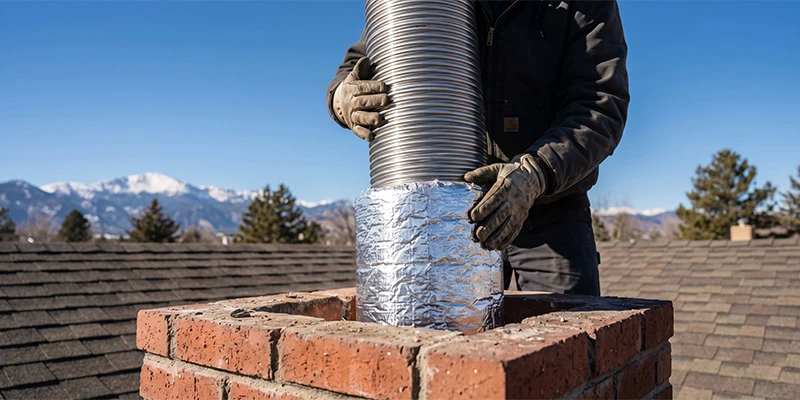
When a clay liner fails, it is functionally impossible to reach down inside a thirty-foot masonry column to replace a single broken tile. Instead, the industry standard solution is to install a continuous, flexible metal tube directly inside the existing chimney stack. This process guarantees a seamless, airtight exhaust pathway from the firebox all the way up to the roofline.
While aluminum liners are sometimes used for low-efficiency gas appliances, wood-burning fireplaces demand the heaviest duty material available. Stainless steel is the absolute best choice for residential relining. Unlike rigid clay, corrugated stainless steel is designed to expand and contract freely with extreme temperature changes, meaning it is completely immune to thermal shock. Furthermore, premium grades of stainless steel are highly resistant to the corrosive sulfuric acids created by wood smoke and condensation. By investing in professional chimney relining services, you effectively install a permanent, indestructible exhaust system that will likely outlast the house itself.
The Importance of Proper Sizing and Insulation
Inserting a metal tube into a brick chimney is only part of the installation process. To meet rigorous building standards and ensure safe operation, the new stainless steel liner must be customized to your specific fireplace. If the liner diameter is too small, the fireplace will choke on its own smoke. If the diameter is too large, the draft will be incredibly weak, leading to massive creosote buildup.
Equally important is the insulation that surrounds the new metal liner. When you slide a steel tube inside a cold masonry chimney, there is a gap of dead air between the metal and the brick. If this gap is not addressed, the cold brick will constantly cool the metal liner, creating severe drafting issues and extreme condensation. To comply with the Chimney Safety Institute of America guidelines, technicians must wrap the stainless steel liner in a high-temperature ceramic wool blanket or pour a specialized vermiculite concrete mixture into the gap. This insulation keeps the flue gases hot all the way to the top of the chimney, ensuring a powerful upward draft and drastically reducing creosote formation.
Code Compliance and Home Value
Upgrading to a stainless steel liner is not just about peace of mind, it is often a strict legal requirement. If you are selling your home, a real estate home inspector will always flag a cracked clay liner as a major safety violation. A compromised flue must be repaired before a house can pass a fire safety inspection. Furthermore, National Fire Protection Association safety codes dictate that if you are installing a new insert, such as a high-efficiency wood stove or a modern gas unit, into an older masonry fireplace, a properly sized stainless steel liner must be installed to connect the new appliance directly to the roof termination.
By taking proactive steps to upgrade your failing clay tiles with a heavy-duty stainless steel system, you protect the structural framing of your home, safeguard your family from carbon monoxide, and permanently resolve draft and condensation issues. Do not wait for a chimney fire to expose the hidden flaws in your masonry. Rely on certified professionals to evaluate your flue and provide a seamless, insulated metal liner that guarantees a lifetime of safe, efficient, and worry-free winter fires.






Leave A Comment