
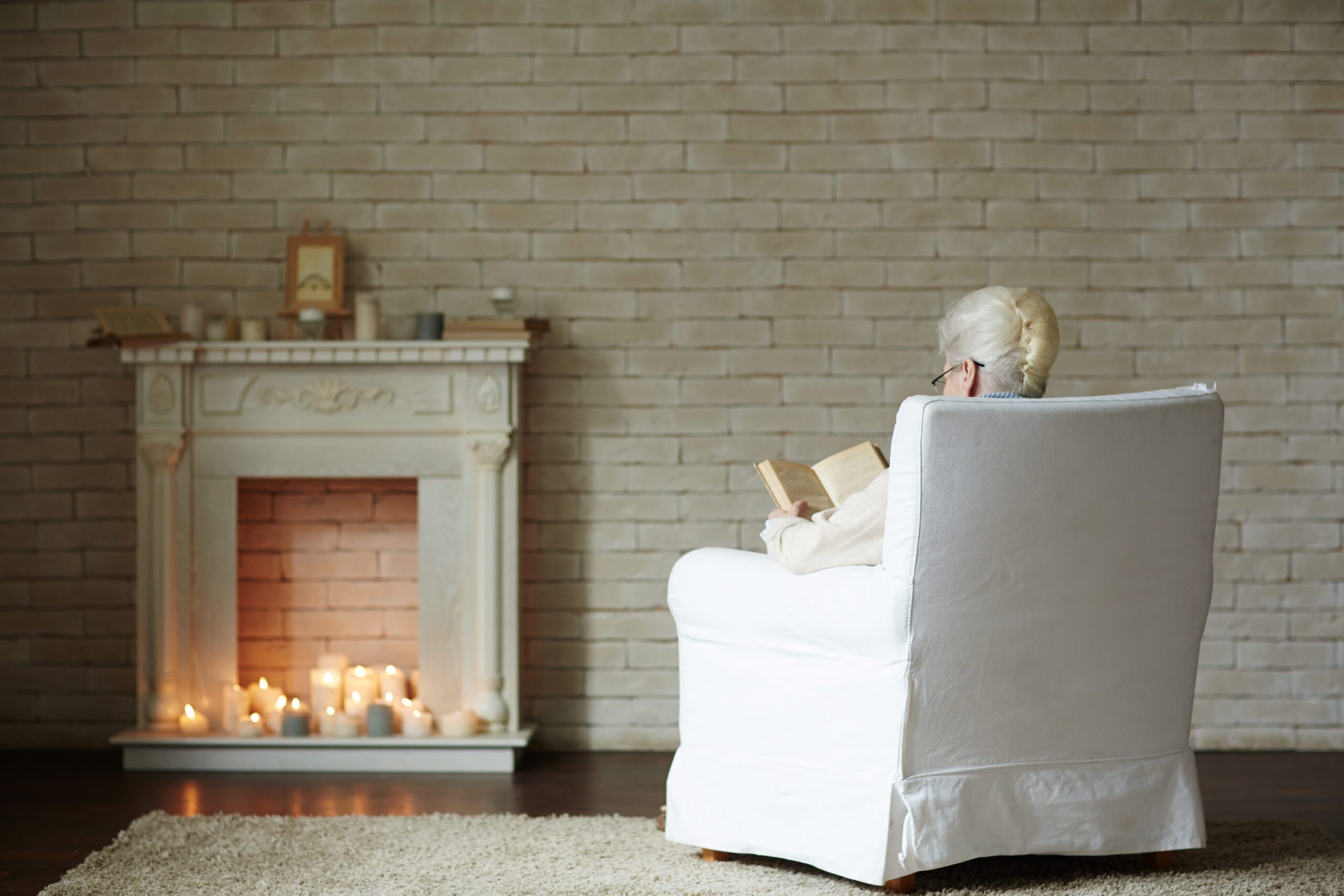
Enhance Home Value and Ambiance with a Gas Fireplace Upgrade
A gas fireplace upgrade can raise buyer interest, boost home value, and refresh the look of your living room. It adds steady heat, less mess, and one-click ease. In a cold Colorado winter, that mix wins hearts and warm toes. It looks sharp, runs clean, and puts control in your hands.
Why a gas fireplace upgrade pays off in Colorado
- Buyer appeal rises. Many buyers want an easy, clean heat source. They picture movie night with a real flame that starts with a tap on a remote. That image is strong at a showing.
- Comfort is instant. No logs. No ash. No waiting. Your room warms fast, which matters when snow taps the window.
- Style gets a lift. Gas units come in classic and modern looks. You can match stone, tile, or shiplap. The flame stays even and calm, like a steady friend.
- Cleaner air inside. No smoke in the room. No ember pops. Pets and kids breathe easier.
- Zone heat saves energy. Warm the space you use most. Turn down the main heat a notch. That simple move can help your bill.
A quick scene from real life
“I am not chopping wood at 6 am,” Mike said. His wife nodded. They swapped a smoky wood box for a gas fireplace insert in their Highlands Ranch split level. Showings picked up. The living room felt bright and calm. Buyers lingered. The house went under contract fast. Mike kept his fingers, and his mornings.
How a gas fireplace can add value
- More buyer checkmarks. Warm, clean, and easy. Buyers remember that. That memory sticks as they scan listings.
- Fresh focal point. A good surround, a clean screen, and a steady flame give your room a center. Photos look better online. Better photos can bring more feet to your door.
- Lower hassle. No wood pile. No ash vacuum. No sparks on the rug. Buyers like less work.
- Year-round use. Many gas units let you run flame with low heat. The room still looks great on a cool summer night.
Style ideas that fit your home
- Keep the classic vibe. Choose a log set that looks real, with a simple black frame, and a stone or brick face. Add a wood mantel. The room stays warm and timeless.
- Go modern. Pick a linear unit, a wide view of flame, and a smooth tile face. Use glass media or river stones. Clean lines keep the space fresh.
- Blend old and new. Add a gas fireplace insert to your current wood-burning box. Keep the mantle and hearth. Swap mess for ease and keep the charm.
Types of gas fireplace upgrades
- Gas fireplace insert. This slides into an existing wood box. It uses a liner up the old chimney. It is a fast path when the structure is sound.
- Direct vent built-in. This goes into a new framed chase or wall cutout. It pulls air from outside and vents outside. Good in rooms with no masonry chimney.
- B-vent built-in. This unit vents up through the roof with a metal pipe. It uses room air for burn air. It is less common in cold, windy spots.
- Vent-free units. These vent into the room. Many codes limit these. In our area, many folks pick direct vent instead.
What we usually see in Colorado
- Cold snaps test weak seals. A good unit with tight glass and proper gaskets matters.
- High winds can push air down a flue. Direct vent units with locked glass fronts help stop that.
- Dry air and altitude can affect burn mix. A pro can tune air and gas for clean flame.
- Snow and ice add weight on caps. A sturdy vent cap is key.
Safety and code basics
- Use a pro for gas line work. A licensed tech tests for leaks and checks shutoff valves.
- Keep clearances as the manual says. Mantels, TVs, and trim need safe space.
- Add carbon monoxide alarms on each level and near bedrooms.
- Many towns need a permit and an inspection. That extra set of eyes helps catch small issues before they grow.
Weather tie-ins that matter in Colorado
- Cold winters mean you need reliable ignition. Spark systems should be tuned and clean.
- Wind on the Front Range can gust hard. A proper vent cap keeps the flame stable.
- Freeze-thaw cycles can shift masonry. Inserts and surrounds need solid anchoring and flexible sealants.
- Dry climate can leave dust in blowers. A quick clean keeps air moving.
Fuel options that fit your home
- Natural gas. Steady supply in many neighborhoods. No tank to manage.
- Propane. Good for rural homes and mountain cabins. Keep the tank topped before long storms. If you have a cabin near Evergreen off I-70, propane might be your best bet.
Where to place your gas fireplace
- Main living room. This is the prime spot for buyer appeal and daily use.
- Owner suite. A small unit adds quiet comfort.
- Basement media room. Zone heat turns a cool space into movie HQ.
- Corner installs. Save wall space where furniture is tight.
- Be careful with TVs above. Many units allow it with a proper mantel shelf and safe clearances. Use a heat deflector if needed.
Sizing made simple
- Match BTU to room size and insulation. Too big, and you get a hot box. Too small, and you shiver. Your tech will pick a range that fits your space.
- Open floor plans need more output than closed rooms.
- Tall ceilings and big windows need extra oomph.
What drives project scope
- Insert vs built-in. Inserts are faster when a masonry box is in good shape. Built-ins open more layout choices.
- Vent path. Straight out a wall is simpler. Up and around beams is more work.
- Finish choices. Stone, tile, slabs, and mantels change the timeline.
- Gas line route. Short and direct is faster. Long runs or tight crawl spaces take more time.
The install path from start to first flame
- Site check. Measure the space, look at vent paths, review clearances, and test the existing chimney if you have one.
- Pick your unit. Choose look, size, and vent type. Agree on surround and mantel.
- Permit. File with the city if needed.
- Gas line work. Run and test the line and shutoff.
- Vent work. Run new vent or liners. Seal joints tight.
- Set the unit. Level the box, connect the vent and gas, and test ignition.
- Finish the face. Install stone, tile, or panels. Set the mantel.
- Final checks. Test safety sensors, blower, and remote.
- Inspection. Meet the inspector if your city requires it.
- First burn. Break-in burn and glass clean.
Daily life with a gas fireplace
- One tap start. Remote or wall switch. Some models offer app control.
- Steady heat. Modulating valves can lower or raise flame height.
- No ash duty. A quick glass wipe is the main task.
- Kids and pets. Teach a hands-off rule. Front glass can get hot.
Troubleshooting quick fixes
- If the unit clicks but will not light, check the pilot, battery in the remote, and the wall switch.
- If the flame is yellow and sooty, call for a tune-up. The air mix may be off.
- If the glass fogs often, clean the glass and check the gasket.
- If the blower is loud, vacuum the intake with power off and the unit cool.
- If the unit shuts off mid-burn, check for blocked vents outside, ice on the cap, or a tripped safety sensor.
- If the remote is dead, replace batteries and re-pair the handset.
Myths and facts
- Myth: Gas fires look fake. Fact: Modern log sets, burners, and liners look very real when tuned right.
- Myth: Gas gives weak heat. Fact: Direct vent units can heat large rooms with ease.
- Myth: Gas is unsafe. Fact: With pro install, venting, and CO alarms, gas units run safely.
- Myth: You cannot put a TV above. Fact: Many installs work fine using proper clearances and a mantel.
Care schedule you can follow
- Weekly: Wipe the glass when cool. Dust the mantel. Make sure the remote has power.
- Monthly: Vacuum cool air intakes and around the firebox when the unit is cold. Check that the log set has not shifted.
- Start of each heating season: Clean the glass with a gas-safe cleaner. Test ignition, pilot, and blower.
- Yearly: Schedule a pro inspection and tune-up. Check vents and caps. Verify gas pressure and safety sensors.
- After big wind or heavy snow: Look at the outside cap for debris or ice.
Make your room look great
- Surrounds set the tone. Stone gives a rugged vibe. Tile can be sleek or warm. Painted shiplap keeps a clean cottage feel.
- Pick a frame that matches your hardware. Black, bronze, or brushed metal can tie into pulls and lights.
- Add simple lights on a dimmer on each side. That glow plays well with flame.
- Use a mantel that fits the wall. Not too wide, not too thin.
- Keep the hearth clear. A clean space makes the flame the star.
How gas stacks up against wood and electric
- Gas vs wood. Gas wins on ease, low mess, and indoor air. Wood wins if you love the sound and the ritual. Gas costs less time and effort.
- Gas vs electric. Electric is easy to place and looks nice, but heat output can be low. Gas gives a real flame and stronger heat. In a Colorado cold snap, gas performs better for main rooms.
Energy and comfort tips
- Use a thermostat remote. Pick a temp and let the unit hold it. No yo-yo heat.
- Close doors to rooms you do not use. Zone heat works best when you set boundaries.
- Use your ceiling fan on low and reverse mode in winter. It moves warm air down without a chill.
- Seal window gaps near the fireplace wall. Stop drafts that fight your flame.
Pick smart features
- Electronic ignition that does not waste fuel on a standing pilot. Many models offer a backup mode for power loss.
- Variable flame and blower speed so you can tune comfort.
- Ceramic glass for better heat transfer.
- Ember bed lights for a cozy look at low flame.
- Wi-Fi or simple remote based on your tech comfort.
What about indoor air and glass heat
- Glass gets hot. Use a screen if kids visit. Keep furniture and toys a safe distance away.
- Venting moves burn gases outside. A clean vent keeps air fresh.
- If a unit smells odd during first use, it is likely the break-in burn. Run it on high with a window cracked for a short time. That smell fades.
Selling your home with a gas fireplace
- Stage it. Clean glass. Fresh batteries in the remote. Add two neat chairs and a throw. Buyers will stop and picture life there.
- Share the features on your listing. Mention direct vent, remote, and recent service.
- Have service records ready. A clean file builds trust during a sale.
Who should install and service
- Pick a company that works with gas fireplaces often. Ask about training and certifications.
- Confirm permit and inspection when your city needs it.
- Keep yearly service on your calendar. A small tune now beats a big fix in January.
Cold weather checklist before the first snow
- Test fire while it is still mild. Fix issues before holiday season.
- Check outside vent caps for wasp nests or leaves.
- Swap remote batteries.
- Vacuum the blower intake with the unit cold and power off.
Small ways to boost the look without a rebuild
- New surround trim kit. A fresh frame can make the unit look new.
- Clean or replace the log set. A modern log shape and ember bed can change the vibe.
- Update the mantel. A simple slab or stained beam draws the eye.
- Add a basket with blankets nearby. Warmth cues matter.
Risk notes that keep you safe
- Do not store paint or solvents near the firebox.
- Keep the area clear. No papers or decor leaning on the glass.
- If you smell gas, do not start the unit. Leave the area and call a pro.
- Only use cleaners made for gas fireplace glass and surfaces.
FAQs
Q: Will a gas fireplace upgrade increase my home value?
A: It can boost buyer interest and help your home stand out. Warmth, ease, and a clean look give you an edge at showings.
Q: What is better for Colorado, direct vent or vent-free?
A: Many folks here pick direct vent. It seals the firebox, brings in outside air, and vents outside. That helps with wind and indoor air.
Q: Can I put a gas insert in my old wood fireplace?
A: Yes, if the structure is sound. A liner goes up the old flue, the insert slides in, and a faceplate covers the gap.
Q: How much heat do I need?
A: A tech will look at room size, ceiling height, windows, and insulation. The goal is steady comfort without overheating.
Q: Can I run it during a power outage?
A: Many units can light with a battery backup. Blowers may not run without power, but the flame can still provide heat in many models.
Q: Is a TV over the fireplace safe?
A: Often yes with the right clearances, a mantel, and sometimes a heat deflector. Check the unit manual and follow it.
Q: How often do I need service?
A: Plan for a yearly check. Clean glass, tune flame, test safety parts, and inspect vents before heating season.
Q: What if I live at higher altitude?
A: Altitude can change the air-fuel mix. A pro can adjust the unit so the flame burns clean and steady.
Q: Can I switch from propane to natural gas later?
A: Many units can be converted with the correct kit. A licensed tech should do the work and test for leaks.
Q: What finish works best with kids and pets?
A: Durable stone, tile, or metal trim holds up well. Keep edges smooth and the hearth clear.
If you want a gas fireplace upgrade that adds value, comfort, and style, AR Chimney Pros is ready to help. We install, convert, inspect, and tune gas fireplaces across Colorado, and we make the process clear and stress free. Call <tel:+1>720-608-7668</tel:+1> or visit https://archimneypros.com to schedule your visit and get warm, clean, click-and-sit comfort.






Leave A Comment