
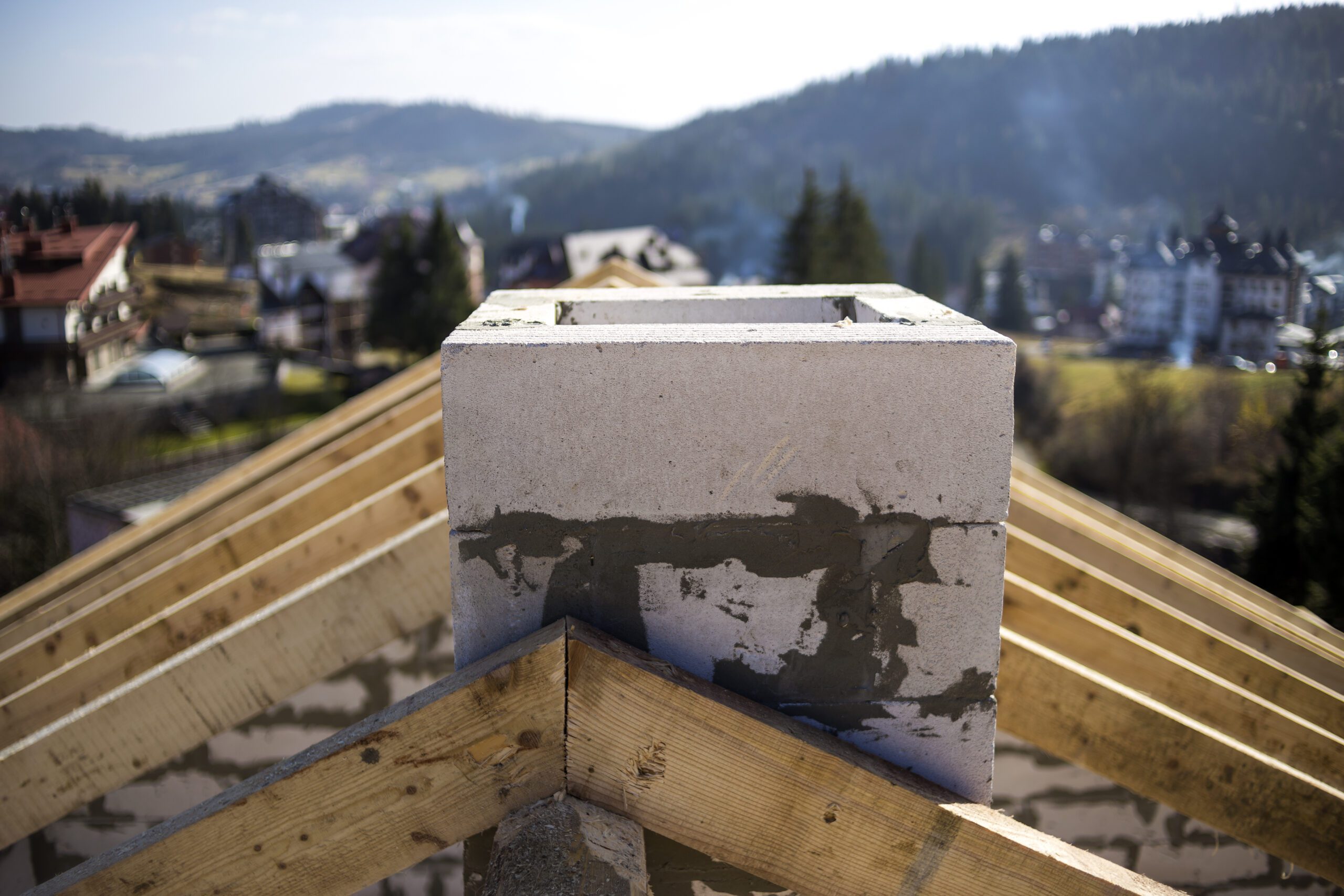
Chimney trouble signs are like dashboard lights. Catch them early, and you avoid bigger headaches. Watch for stains, musty odor, loose bricks, draft issues, and flaky mortar. These point to water leaks, liner wear, cap or crown damage, or a venting problem. Fixing small issues now keeps smoke inside the flue, water outside the house, and heat where you want it. Your chimney will run smoother, and your living room stays clean, warm, and safe.

Why catching chimney trouble early matters in Colorado
Cold snaps, spring snow, summer hail, and big temp swings all hit brick and mortar hard. Freeze-thaw cycles can make tiny cracks grow. Wind can rattle caps loose. Dry days can pull moisture from mortar, then rain pushes water back into weak spots. Add altitude and thin air, and draft can get tricky. That mix is classic Colorado. Small warning signs today can become a big project by next season. A little care now goes a long way.
Sign 1: Stains on walls or ceilings near the chimney
What you see
Brown rings, yellow splotches, or peeling paint on the ceiling or wall near the chimney. You may see hairline cracks around the chimney chase or at the attic line. Sometimes the stain looks like a coffee ring that keeps growing after storms.
What it points to
- Leaky flashing where the chimney meets the roof
- A cracked crown that lets water in from the top
- A damaged cap that lets rain or snow blow in
- Missing or clogged wash on a masonry chimney top
Why quick action helps
Water does not just sit there. It finds paths. It wicks into wood, drywall, and insulation. That can lead to mold, no fun for your nose or your lungs. Water also weakens mortar and can rust the firebox or damper. Early patching of flashing, crown, or cap often stops the spread and saves the roof deck from bigger harm.
Little story
Last winter, a Denver homeowner saw a faint tan ring after a wet snow. He shrugged and painted over it. The next storm, it doubled. The fix ended up being a small crown repair and new flashing. Once sealed, the stain stopped growing, and the paint job finally stuck.
Sign 2: A musty odor from the fireplace
What you smell
A damp, earthy smell from the firebox, even when it is dry outside. It may be stronger after a rain or when the AC runs. Sometimes it smells like a wet dog in a raincoat. Your nose will not let you forget it.
What it points to
- Moisture inside the flue from a missing or broken cap
- Soot and creosote that have absorbed moisture
- Poor draft that holds stale air in the chimney
- A chimney that is colder than the home, so air sinks
Why quick action helps
Moist soot eats metal and mortar. Stale air can push odors into the room and make lighting a fire hard. A cap and a good sweep often fix the smell. If the smell remains, a pro can check for hidden leaks and set better airflow with a top-sealing damper or liner tune-up.
Sign 3: Loose bricks or flaking brick faces
What you see
Brick faces popping off in chips, called spalling. You might see cracks in a zigzag pattern or whole bricks that wiggle when you touch them. In winter, you may find brick crumbs on the roof near the chimney.
What it points to
- Freeze-thaw damage from absorbed water
- Missing seal at the crown or poor brick cap
- Old mortar joints that no longer shed water
- Salt movement inside the brick that pushes the face off
Why quick action helps
Loose bricks do not get better with time. Water slips behind them and speeds up the process. Early tuckpointing, crown sealing, or selective brick replacement can stop the spread. It also keeps the stack stable in wind. The sooner the face is sealed from water, the longer the stack lasts.
Sign 4: Draft issues and smoke spill into the room
What you see
Smoke rolls into the room when you light a fire. The fire may be slow to start. You may feel cold air fall from the firebox when the fireplace is off. On some days, it works fine. On other days, it fights you.
What it points to
- Flue too cool or not primed before lighting
- Blocked flue from soot, creosote flakes, or a bird nest
- Competing air from bath fans or a range hood
- Damper stuck, rusted, or mis-sized
- House pressure issues in cold snaps, common along the Front Range
Why quick action helps
Smoke in the room is not just annoying. It leaves soot on walls and furniture and can sting your eyes. A sweep, a proper damper, or a small change to how you start the fire can solve it. If the flue is not matched to the fireplace, a liner resize can restore steady draft.
Sign 5: Flaky or missing mortar between bricks
What you see
Mortar crumbling like dry cookie crumbs. Gaps you can slide a coin into. Hairline cracks that look like a tiny road map. You might see weeds or moss in the joints after a wet week.
What it points to
- Age and weather wear
- Poor mix or past patch that did not match the original mortar
- Water intrusion from a bad crown or cap
- Movement from thermal stress, hot then cold
Why quick action helps
Mortar is the glue of your stack. When it goes, bricks start to shift. Gaps let water in, which makes the cycle go faster. Tuckpointing with the right mortar stops water, locks bricks in place, and brings back strength. It also keeps sparks inside the flue where they belong.
Sign 6: White powder on the brick
What you see
A white, chalky film on the outside of the chimney or on the basement side of a chimney wall. It wipes off, then comes back after wet weather.
What it points to
- Efflorescence, salt brought to the surface by water movement
- An active water source inside the masonry
- Vapor moving through the wall from damp soil or attic air leaks
Why quick action helps
This is the chimney waving a little white flag. Water is on the move. Sealing the crown, fixing flashing, and improving drainage usually stop it. If you let it ride, salts can weaken the face of brick and mortar.
Sign 7: Rust on the damper, firebox, or chase cover
What you see
Orange streaks on metal parts, flaking paint inside the firebox, a damper that sticks or will not close. On prefab units, the chase cover might show brown streaks down the sides.
What it points to
- Active water entry from the top
- Condensation inside the flue from poor draft or a cold chimney
- A cap that does not shed water right, or a missing screen
Why quick action helps
Rust keeps eating until the metal fails. A stuck damper hurts draft and can trap smells. Replacing a cap or chase cover and stopping water now keeps the rest of the system from wearing out early.
Here is what we usually see in Colorado
- Front Range storms push rain sideways, so caps and chase covers take a beating.
- Freeze-thaw chips brick faces, then wind shakes them loose.
- Dry air means fine creosote dust can build fast in the shoulder seasons.
- Draft swings happen on those warm days with cold nights, so priming the flue matters.
How heat, cold, rain, and humidity play into chimney wear
- Heat: Rapid heat on a cold flue can shock tiles and mortar. Warm up the flue with a small kindling fire first.
- Cold: Cold air sinks, which can pull room air into the fireplace and stall draft. A tight damper helps when the fireplace is off.
- Rain and snow: Water follows gravity and capillary paths. Good flashing, a proper cap, and a sealed crown act like a raincoat.
- Humidity: Moist air feeds musty smells. Keep the firebox dry and the cap intact. In basements, a dehumidifier can help the chimney stay fresh.
Troubleshooting steps you can try
- If you see ceiling stains near the chimney, then check the attic for damp wood after a storm and look for gaps at flashing.
- If the fireplace smells musty, then check that you have a cap with a screen and schedule a sweep to clear damp soot.
- If smoke rolls into the room, then preheat the flue with a rolled newspaper torch for 30 to 60 seconds and open a nearby window an inch.
- If bricks shed chips, then avoid using salts on the roof and call for a crown and joint check before the next freeze.
- If mortar falls out, then limit fires until joints are repointed and keep sprinklers from soaking the stack.
- If you see white powder on brick, then brush it off dry and track if it returns after rain, which points to leaks from above.
- If the damper sticks or shows rust, then check for a missing cap and cover the top with a temporary rain guard until a new cap is set.
Common myths and facts
- Myth: A chimney only needs cleaning when you see thick soot. Fact: A thin, flaky layer can still block draft and hold moisture.
- Myth: A brick chimney cannot leak because brick is solid. Fact: Brick and mortar are porous, so they take on water without sealer and a sound crown.
- Myth: Smoke in the room means the fireplace is bad. Fact: Often it is a cold flue, a stuck damper, or a blocked cap, all fixable.
- Myth: Newer homes do not need chimney checks. Fact: Prefab systems have caps, chase covers, and liners that still wear and rust.
How to tell which pro task fits the sign
This is not a guess game. Each sign points to a set of fixes:
- Stains near the chimney usually call for flashing repair, crown sealing, and cap check.
- Musty odors often clear with a sweep and a cap that sheds water, plus airflow tweaks.
- Loose bricks and flaky mortar need tuckpointing, crown work, and water seal.
- Draft issues may need a sweep, damper repair, or liner resize to match the fireplace.
- White powder means water control. Track and stop the source before sealing the face.
- Rust on metal parts calls for a new cap or chase cover and a damper tune-up or swap.
Safety notes without the scare
- Do not burn trash or glossy paper. They spark and make sticky creosote.
- Keep a working smoke alarm and CO alarm near sleeping areas and the living room.
- Use seasoned wood. Wet wood smokes, smells, and builds creosote fast.
- If you ever hear fluttering, do not light a fire. You may have a bird or nest in the flue.
How to spot trouble from the ground
- Look up at the cap. Is it tilted or missing a screen
- Scan the crown. Do you see cracks or gaps along the edge
- Check the brick faces. Any bald spots or chips
- Watch the chimney line. Is it straight or leaning
- After rain, walk the rooms near the chimney. Any fresh stains
When a fix can wait and when it should not
Can wait a short bit
- Hairline mortar cracks that do not leak
- Light white film that does not return after dry weather
- A damper pull that is sticky but moves
Should not wait
- Active leaks that stain
- Bricks that move by hand
- Smoke that fills the room
- Rust flakes on the firebox floor
- Nests or blocked cap
Care schedule you can follow
Weekly in burning season
- Empty ashes when they are cold, leaving a thin bed to help the next fire.
- Check the damper opens and closes without a fight.
- Crack a window when starting a fire to boost draft, then close it once the fire is steady.
Monthly in burning season
- Look at the cap and crown from the ground with binoculars after storms.
- Brush the firebox and check for new cracks or rust.
- Check nearby fans and vents. If they pull smoke, crack a window during burns.
Yearly
- Schedule a level 1 chimney inspection before the first fall fire.
- Get a sweep if you burned wood last season or if you smell must or see soot flakes.
- Have flashing, crown, and mortar checked for gaps and sealed as needed.
- In cold regions like Denver and along the Front Range, plan this before first freeze to beat freeze-thaw damage.
Picking wood that keeps your chimney happy
- Use seasoned hardwood. Split logs should sound hollow when knocked together.
- Store wood off the ground under a cover with open sides for airflow.
- Do not stack wood against the chimney wall. Keep a gap so the wall stays dry.
A quick talk about liners and prefab units
Masonry chimneys often have clay tile liners. These can crack from heat shock or age. Small gaps catch creosote and slow draft. A stainless liner can refresh draft and add a smooth path for smoke. Prefab fireplaces use a metal system with a cap and chase cover. When the cover rusts, water runs down the sides and into the unit. A new cover with cross breaks sheds water fast and keeps the inside dry.
Why a proper cap is the chimney’s best friend
A good cap keeps out rain, snow, birds, and embers. The screen blocks critters. The lid sheds water away from the flue. In windy Colorado days, a quality cap can also steady draft by cutting gusts. If your cap is crooked or missing, that is a top priority fix. Think of it as a helmet for your chimney.
Little cues from smells, sounds, and feel
- Smell: Musty means moisture. Smoky when not burning means backdraft.
- Sound: Fluttering or chirping at the top means birds, so no fire until it is clear.
- Feel: Cold air falling from the firebox means a leaky damper or a cold chimney.
- Sight: Soot flakes on the hearth signal creosote that needs a sweep.
How altitude and pressure mess with draft
Thin air at Colorado elevations means less dense smoke and weaker draft at start-up. A cold, heavy air plug can sit in the flue on icy mornings. Prime the flue with a starter flame. Roll up newspaper, light it, and hold it near the damper to warm the column. Once the smoke rises, light the main kindling. This simple step often stops smoke from spilling.
How storms affect masonry
Fast temperature swings stress brick and mortar. Hail can chip crowns and caps. Wind-driven rain sneaks into tiny cracks. After each big storm, give the chimney a quick look from the ground. Early eyes catch small shifts before they grow.
Simple upgrades that pay you back in fewer headaches
- Top-sealing damper: Seals tight at the top, keeps warm air in when not burning, and blocks musty smells.
- Cricket behind the chimney: On larger stacks, this small roof feature splits water flow, so it does not pool behind the chimney.
- Waterproofing sealer: A breathable sealer keeps liquid water out but lets vapor escape, the best of both worlds for brick.
FAQs
Q: How often should I clean my chimney in Colorado
A: If you burn wood each week in winter, get a sweep once a year. If you use it only a few times, have it checked yearly and cleaned when soot hits a thin, flaky layer.
Q: Why does my fireplace smell bad in summer
A: Warm, humid air moves down a cool chimney and hits creosote. That wakes up the odor. A tight damper and a good cap help. A sweep to remove creosote helps too.
Q: Can I use my fireplace if I see a small brick chip
A: If a brick wiggles or the face keeps flaking, pause. Light use might be fine if the firebox is sound, but get the stack checked soon so wear does not spread.
Q: What causes white powder on my chimney
A: That is salt from water moving through masonry. It points to moisture getting in. Track the source and seal the top parts so it does not come back.
Q: My damper is stuck. Can I force it
A: Do not yank hard. You may bend the plate or rod. Look for rust or debris. If it will not free up with gentle moves, have it serviced or replaced.
Q: Do gas fireplaces need chimney checks too
A: Yes. Gas burns clean, but it still makes moisture and can leave a light film. Caps, liners, and vents can rust or shift.
Q: What is the best way to start a fire without smoke
A: Prime the flue, use dry kindling on the bottom with smaller splits on top, and open the damper fully. Close nearby fans until the fire is steady.
Q: Is chimney work messy
A: A clean crew uses drop cloths, a HEPA vac, and seals the work area. The goal is to leave the room as clean as we found it.
A closing tip from the field
Think of your chimney like a pickup that hauls heat. If it rattles, smells off, or leaves spots, it is asking for a quick check. Small fixes keep the ride smooth. Your walls stay clean, your fires start easy, and winter nights feel better.
Ready for help in Colorado
Call AR Chimney Pros for inspections, sweeps, repairs, and upgrades that keep water out and smoke moving right. We know how Front Range weather treats brick and metal, and we act fast so small signs do not grow. Call 720-608-7668 or visit https://archimneypros.com to book your service today.







Leave A Comment