
A chimney cap is a small cover at the top of your chimney that does a big job. It helps keep rain out, keeps animals from moving in, cuts down on smoky downdrafts, and can stop sparks from landing on your roof. If your fireplace smells musty, your damper is rusty, or you hear little feet in the flue, you might be missing a cap or your cap is failing.
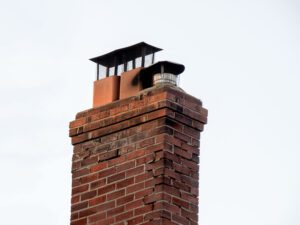
Meet the chimney cap, your chimney’s “hat”
Picture your chimney as a tall straw on your roof. If that straw is open at the top, everything can drop straight in. Rain, twigs, squirrels, and cold air do not ask for permission.
A chimney cap is like a good hat and a small shield in one. Most caps include:
- A lid to block rain and debris
- Mesh sides to block critters
- A mounting base that secures it to the flue tile or crown
- Sometimes a spark guard mesh, depending on the type
If you have a wood burning fireplace, a cap can also act like a bouncer. Sparks that want to leave the party get stopped at the door.
To learn more about options, see Chimney Cap and how it pairs with Chimney Inspection.
What a chimney cap really does
Let’s walk through the main jobs of a chimney cap, without the fancy talk.
1) Blocks rain from entering the flue
Rain down a chimney is like pouring water into a tool box. It does not end well.
When water goes down the flue, it can lead to:
- Rusted dampers and firebox parts
- Stained ceilings near the chimney chase
- Soft, crumbling mortar joints near the top
- A musty smell in the fireplace
- Faster buildup of acidic residue that can harm clay tile and mortar over time
Colorado weather makes this worse in a sneaky way. A wet chimney can freeze, then thaw, then freeze again. That freeze and thaw cycle can crack mortar and crowns. A cap does not stop every moisture problem, but it can stop a lot of water from dropping straight into the flue.
Moisture issues can also relate to the top structure of the chimney, including the Chimney Crown and Chimney Leaks.
2) Keeps animals and pests out
If your chimney is open, it can look like a cozy studio apartment to wildlife. Birds, squirrels, raccoons, and even bats may try their luck.
A cap with mesh helps prevent:
- Nest building that blocks draft
- Animal odors that linger
- Scratching sounds, usually right when you want to relax
- Fleas, mites, and other hitchhikers
A quick story from real life. A homeowner once said, “I think my chimney is haunted.” The “ghost” turned out to be a squirrel dragging pine needles like it was training for a tiny home makeover show. A cap would have shut that down fast.
If you suspect wildlife, consider Animal Removal and book a Chimney Inspection.
3) Cuts down on downdrafts and smoke blowback
A downdraft happens when wind pushes air down your chimney instead of letting smoke rise up and out. If you ever lit a fire and the room filled with smoke like a bad magic trick, wind and pressure may be part of it.
A cap can help by:
- Reducing direct wind entry into the flue opening
- Helping stabilize airflow at the top
- Lowering the chance of gusts pushing smoke back inside
A cap is not a cure for every draft problem. Flue size, chimney height, home pressure, and chimney location all matter. Still, a proper cap often helps, especially on windy days.
Draft and airflow concerns are often identified during a Chimney Inspection or a routine Chimney Sweep.
4) Helps stop sparks and embers from landing on the roof
Wood fires can toss tiny sparks. Most burn out fast, but some can land on a roof, a dry leaf pile, or a wood deck. A spark guard mesh can catch many of those embers before they escape.
This is extra helpful in dry stretches, when grasses and brush are ready to light up like a matchbook. Many Colorado homes have:
- Wood shake or composite roofing near tree debris
- Decks that collect dry leaves
- Pine needles in valleys of the roof
A cap with spark protection is a simple layer of safety. It is not a reason to ignore safe burning habits, but it helps.
For general fire safety guidance, see Ready.gov home fire information.
5) Keeps leaves and debris from clogging the flue
Even if you have no animals, chimneys can collect:
- Leaves
- Small branches
- Pine needles
- Windblown trash
That debris can block airflow and raise the risk of smoke issues. It can also trap moisture and speed up wear inside the flue.
Removing buildup typically involves Chimney Flue Cleaning as part of a Chimney Sweep.
Signs your chimney may be missing a cap
Sometimes you can stand in the yard and spot it. Sometimes the clues show up indoors. Here are the big signals.
Visual signs outside
- You look up and see an open clay flue tile with no cover.
- You see damaged or bent metal at the top, like something used it as a trampoline.
- You see a cap, but the mesh is missing, torn, or rusted through.
- The cap looks loose or off-center.
Tip, use binoculars if you have them. Stay off the roof unless you have training and the right gear. A roof is not the place to test your luck.
Signs inside your home
- Musty fireplace smell, stronger after rain or snow melt
- Rust flakes near the damper or on metal doors
- Drips or damp spots inside the firebox
- Bits of twigs and leaves falling into the fireplace
- Scratching or chirping sounds from the chimney
- Smoke rolls into the room when starting a fire, even with dry wood
Signs during or after storms
- Water stains near the chimney on ceilings or walls
- A “wet ash” smell after a heavy rain
- White staining or crumbling mortar near the top of the chimney outside
A chimney cap is not the only part that stops water. The crown, flashing, and masonry condition matter too. Still, a missing cap is a common weak spot.
When water entry is suspected, it can help to compare cap condition with the Chimney Crown and signs of Chimney Leaks.
Why this matters more in Colorado
Colorado weather can be tough on chimneys. You can get bright sun, then a hard freeze, then wind that howls all night. A chimney sits up high taking the first punch.
Here are a few local tie-ins that matter:
- Freeze and thaw can crack mortar at the top and open paths for water.
- High winds can trigger downdrafts, especially on exposed roofs.
- Dry seasons raise the value of spark control.
- Snow melt can run into openings and soak masonry.
Along roads like I-25 and C-470, wind can whip across open areas and hit rooftops hard. In neighborhoods with lots of mature trees, falling leaves and pine needles can pile up fast.
What we usually see in Colorado:
- Caps missing after roof work or replacement, sometimes they never get put back.
- Rusted caps on older homes, with mesh falling apart.
- Bird nests in spring, often found during a sweep.
- Chimney crowns with hairline cracks that let water in, even when a cap is present.
Seasonal wear is often caught during a Chimney Inspection and addressed with Chimney Repair if needed.
What type of cap do you need?
Caps are not all the same. The right match depends on your chimney style and how you use your fireplace.
Single flue vs multi flue caps
- Single flue caps cover one flue tile.
- Multi flue caps cover a wider top area and can protect more than one flue.
Multi flue caps are also used when the crown is wide and you want more coverage.
Mesh size and spark control
If you burn wood, spark control matters. The mesh should be strong and intact. Too large, and embers can slip out. Too small, and it can clog faster with soot. The right balance helps airflow and safety.
Material matters
Caps come in different metals. Some resist rust better than others. If you see heavy rust on your current cap, it may be time to replace it.
Fit and mounting matters
A cap has to fit the flue correctly and sit secure. A loose cap can rattle in wind, shift out of place, or even blow off. A cap that is too small may let water and animals sneak in around gaps.
Correct sizing and secure mounting are commonly handled during Chimney Cap service, and related top-side issues may involve the Chimney Crown.
Common chimney cap problems people miss
A cap can be present and still fail. These issues show up often.
The cap is there, but the mesh is clogged
Soot, creosote flakes, and debris can clog mesh over time. That can hurt draft and cause smoke issues. If you smell smoke more than usual or the fire feels “lazy,” the cap may need cleaning along with a normal sweep.
Routine maintenance like a Chimney Sweep or Chimney Flue Cleaning can help address buildup.
The cap is bent or crushed
Hail, branches, and foot traffic can bend caps. A bent lid may funnel water right where you do not want it.
Rust holes
Small rust holes can become big holes. Once mesh breaks, animals notice fast.
Wrong cap type for the chimney
Some caps do not handle wind patterns well on certain roofs. If downdrafts keep happening, the cap style may be part of the fix, along with checking height and draft.
Confirming the right setup is typically part of a Chimney Inspection, and adjustments may fall under Chimney Repair.
Quick troubleshooting steps you can use at home
Use these simple checks to narrow down what is going on.
- If you smell a musty odor after rain, then check for a missing cap, damaged cap, or crown cracks.
- If you hear scratching or chirping, then stop using the fireplace and schedule an inspection to check for animals and nest blocks.
- If smoke spills into the room on windy days, then check the cap for damage and have draft and flue sizing checked.
- If you see rust on the damper, then look for water entry points, including the cap and flashing.
- If you find twigs in the firebox, then the cap mesh may be missing or torn.
- If the cap rattles in wind, then it may be loose and needs re-securing or replacement.
Safety note, if you suspect an animal nest or a blocked flue, do not start a fire to “smoke it out.” Smoke and carbon monoxide can back up into the home.
For additional background, see Carbon monoxide.
Myths people repeat about chimney caps, and what is true
- Myth: “A cap is just to keep rain out.” Fact: It also blocks animals, helps with wind, and can catch sparks.
- Myth: “If I have a gas fireplace, I do not need a cap.” Fact: Many gas vents still need protection from rain and animals. The right setup depends on the vent type.
- Myth: “A cap will stop all smoke problems.” Fact: It may help, but draft depends on chimney height, flue condition, home pressure, and wind patterns too.
- Myth: “I can just cover the top with screen from the hardware store.” Fact: Improper mesh can clog fast, rust fast, or come loose. It can also be unsafe if it blocks airflow.
How rain and moisture really hurt a chimney
Water is the quiet troublemaker. It does damage in slow motion.
Here is what can happen over time:
- Mortar joints wash out, then bricks loosen.
- Metal parts rust and seize, then your damper stops working right.
- Flue tiles can crack, then hot gases can reach places they should not.
- Moldy odors show up, then your living room smells like a damp basement.
A cap helps block direct water entry. Pair that with good flashing and a solid crown, and your chimney has a much better shot at staying dry.
If you are tracking moisture entry points, start with Chimney Cap and follow up with Chimney Leaks.
How wind and cold affect chimney performance
Colorado cold snaps can change draft. Warm air rises, so a warm flue drafts better than a cold flue. When the flue is icy cold, the first few minutes of a fire can be smoky.
Wind can also create pressure zones around the roofline. If wind hits the top opening just right, it can push air down the chimney. A cap can help reduce that direct push.
Small tip, before lighting a wood fire on a cold day, warm the flue a bit. People often roll up a little newspaper, light it safely, and hold it near the damper area to get air moving upward. If smoke pours into the room, stop and get the chimney checked.
Airflow and draft questions are commonly reviewed during a Chimney Inspection, and ongoing performance can be supported with a Chimney Sweep.
Care schedule that keeps the cap and chimney working
A cap does not need constant attention, but it does need some.
Weekly during burning season
- Look for smoke problems that are new.
- Notice any odd smells after rain.
- Listen for animal sounds, especially in spring.
Monthly
- Shine a flashlight up into the fireplace, look for debris or visible nest material.
- Check the damper area for rust flakes or drips after storms.
Yearly
- Get a chimney inspection and sweeping as needed, especially if you burn wood.
- Ask the technician to check the cap, mesh condition, and mounting security.
- Have the crown and flashing checked for cracks and gaps.
If you use your fireplace a lot, you may need more than yearly service. If you barely use it, you still want the cap checked since weather and animals do not care how often you burn.
Many homeowners schedule a Chimney Inspection along with a Chimney Sweep during the year.
What to expect during a chimney cap check or replacement
A proper visit often includes:
- Checking the top of the chimney for an existing cap and its condition
- Looking at the crown for cracks and water paths
- Checking the flue for blockages and draft issues
- Confirming the cap fits the flue and is secured
- Replacing the cap if it is missing, loose, rusted out, or the wrong type
Safety note, working at the roofline is risky. Proper ladders, fall protection, and roof awareness matter. This is why many homeowners leave cap work to trained crews.
If you want to schedule service, visit Contact Us or review Chimney Cap options.
FAQs
What does a chimney cap do?
It covers the top opening of the chimney to help block rain, animals, debris, and downdrafts. Many caps also help stop sparks from leaving the flue.
Do I need a chimney cap in Colorado?
Most homes benefit from one because of wind, freeze and thaw weather, rain, snow melt, and wildlife. It is a simple way to reduce common chimney problems.
Can rain really damage a chimney that much?
Yes. Water can rust metal parts, weaken mortar, stain walls, and worsen cracking when it freezes. A cap helps reduce water entering the flue.
How can I tell if animals are in my chimney?
You may hear scratching, chirping, or fluttering. You might also smell strong odors or see nesting debris in the firebox. Stop using the fireplace and schedule an inspection.
Will a chimney cap stop downdrafts?
It can help, especially in gusty conditions, but it cannot fix every draft issue. Chimney height, flue size, and home pressure also play a role.
Can I install a chimney cap myself?
Some people do, but roof work is dangerous and a poor fit can cause problems. A pro can match the cap to the chimney, secure it correctly, and check for other issues at the top.
How long does a chimney cap last?
It depends on material, weather exposure, and maintenance. If you see rust holes, loose mounting, or torn mesh, it is time to replace or repair it.
What if my chimney has a cap but I still get water inside?
The cap may be damaged, undersized, or poorly mounted. Water can also enter through crown cracks or flashing issues. An inspection can pinpoint the entry path.
If you want your chimney cap checked, repaired, or replaced, AR Chimney Pros can help protect your chimney from rain, pests, downdrafts, and stray sparks so your fireplace works cleaner and safer. Call (720) 608-7668 or visit https://archimneypros.com to schedule service.
You can also reach the team through Contact Us.





Leave A Comment