Why Chimney Relining Boosts Efficiency and Extends Chimney Lifespan
If your chimney could talk, it would probably have a lot to say about the winters in Colorado. Soot, smoke, and the occasional squirrel – life up there isn’t exactly a walk in the park. Keeping your chimney in top shape isn’t just about being neighborly. It affects the air you breathe, the coziness of your home, and how many years your trusty fireplace can keep the good times rolling.
Today, let’s chat about something that turns a tired old chimney into a powerhouse performer: chimney relining. Grab your marshmallows and cocoa, because we’re about to make chimney health surprisingly interesting!
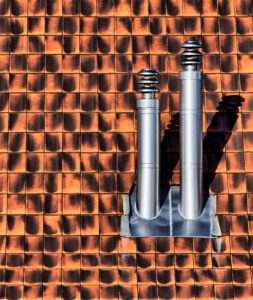
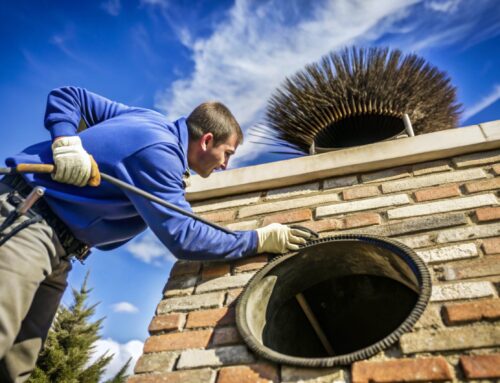
gray stainless steel roof exhaust
What in the World is Chimney Relining?
First, let’s clear the air — literally. Chimney relining means adding or replacing a liner inside your chimney. Think of it like slipping a fresh pair of socks onto cold feet. That liner, whether it’s made from stainless steel, clay, or a special sleeve, protects the inner walls and guides smoke right where it should go.
“But wait,” you may ask, “doesn’t every chimney already have a liner?” Good question! Older chimneys sometimes have no liner at all. Others might have a clay liner that’s seen better days (like grandpa’s old bathrobe). Over time, heat, moisture, and acidic fumes break down existing liners, opening the door to all kinds of problems.
How Can a Liner Improve Your Chimney’s Draft and Efficiency?
Let’s talk about draft. Not the kind you want to block with a towel in winter, but the pull that draws smoke up the chimney and out of your home. When your chimney is lined and smooth inside, the smoke zips up and out like a kid on a playground slide. No stops, no bumps, just an express route for all those byproducts of fire.
With a cracked or rough inner surface, smoke slows down, swirls, and sometimes sneaks right back into your living room. Even worse, bad draft means you waste fuel, whether wood, pellets, or gas. You might as well be tossing money into the fire – and not just spare change, either!
Chimney relining makes everything inside as smooth as a freshly oiled grill. This keeps smoke moving fast and helps your fire use fuel more wisely. You get warmer rooms, less smoke, and a cleaner burn. Now, who wouldn’t want that?
Reducing Long-Term Damage: The Lifesaver You Didn’t Know You Needed
Think of your chimney liner as a superhero cape for your flue. Without it, heat and nasty smoke chemicals attack the brick and mortar directly. Over time, this can turn your solid, reliable chimney into a crumbling, leaking mess.
If there’s a crack or a gap in your liner (or none at all), things like creosote and moisture seep into the bricks. It’s a recipe for trouble:
- Water damage: Rainwater finds its way in, freezes, and then cracks the mortar as it expands. Colorado winters are tough—just ask any frozen garden hose.
- Acid soak: Burning wood or gas releases acids that eat away at mortar and brick. These acids are like termites, but nastier.
- Fire hazard: Without a solid liner, super-hot flue gases can escape to areas they shouldn’t—think attic beams and insulation. Nobody wants a surprise fire show!
Relining your chimney wraps everything in a protective shield, stopping decay and keeping those bricks in place for years. Fewer repairs, less worry.
Stories from the Field: Chimney Relining to the Rescue
Let’s meet “Dave,” a real AR Chimney Pros customer from Aurora. Dave’s family loves their fireplace. But last winter, he noticed more smoke indoors and a strange, bitter smell after each use.
Our technician checked out Dave’s chimney and found large cracks in the old clay liner. It was letting smoke and water seep through, and the mortar was crumbling like stale cookies. After a stainless steel relining, Dave’s draft improved so much he joked that his fireplace was trying to suck his slippers up the flue. And his living room no longer smelled like a campfire three days after he used the fireplace.
These stories aren’t rare. Every season, relining stops hidden dangers and adds years to chimneys all over Colorado.
Types of Chimney Liners and Their Special Benefits
Now, not all liners are built the same. Picking the right one is a bit like choosing the best snow tires for your pickup: you need the right fit for your home and your burning habits.
- Clay Tile Liners:Many old chimneys in Colorado start with these. They’re affordable but only work well when installed perfectly. Over time, they can crack (thanks, freeze/thaw cycles), and repairs aren’t easy.
- Stainless Steel Liners:These are the all-stars for fixing up older chimneys. They resist corrosion, moisture, and high heat. Installation takes less time than you might think. They’re tough, long-lasting, and can handle wood, gas, or pellet appliances.
- Cast-In-Place Liners:These liners use a cement-like material poured into the chimney, forming a smooth tube as it hardens. These are perfect if your chimney’s masonry is older and needs some extra TLC.
Each type has its uses. Our AR Chimney Pros team always figures out which one suits your setup, so you get the best result for your money and your home.
Chimney Relining: More Than a Fresh Coat of Paint
You might think relining is just about cleaning or patching up a few cracks. It’s way more than that. Relining means:
- Sealing out the leaks: Moisture is a chimney’s enemy. A liner blocks it from sinking into brick or mortar.
- Smoother passage for smoke: No more sluggish smoke, no more “why does it smell like a campfire in here?”
- Protecting your home’s bones: Your chimney connects to attic spaces and wall cavities. A strong liner keeps all the hot stuff inside the chimney — right where it belongs.
Imagine your chimney like a trusty thermos. Without the inner lining, heat escapes, and coffee goes cold. With a tough liner, everything stays right, and the outside holds firm year after year.
What Happens If You Ignore a Worn-Out Chimney Liner?
Ignoring chimney relining is like skipping oil changes on your truck – you might get away with it for a bit, but sooner or later, you’ll be calling for help on the side of the road.
If you don’t fix a worn, cracked, or missing liner, you’re risking:
- Deadly smoke leaks: Carbon monoxide can sneak into your home. This one’s no joke, folks.
- House fires: Hot flue gases can ignite nearby wood beams or insulation.
- Expensive repair bills: Moisture and acids wreck your chimney’s brick and mortar, leading to pricey restoration jobs.
- Worse performance: You’ll burn more wood or fuel for less heat, wasting money every cold season.
Mother Nature isn’t gentle on chimneys, especially here in Colorado where snow, wind, and temperature swings keep everyone on their toes.
How Relining Helps Your Wallet
Let’s face it, nobody likes pouring money into repairs that could have been avoided. Chimney relining stops the endless cycle of patching up crumbling mortar or bricks. By keeping water and corrosive smoke away from the masonry, you’re stopping the slow drip of cash into costly fixes.
Plus, a good liner helps you get the most heat out of every log or pellet. That means less time feeding the fire and more time catching the latest game or playing with your dog.
If you ever decide to sell your house? A well-maintained, freshly lined chimney is a strong selling point. Buyers love seeing that you’ve cared for your home, and they’ll sleep better knowing the fireplace is safe and sound.
The Easy Relining Process
You might imagine chimney work means your entire living room will be wrapped up like a scene from a disaster movie. Not so! AR Chimney Pros keeps things neat as a pin. Here’s the usual process:
- Step 1: We inspect your chimney with a camera. It’s like a mini NASA mission, searching for cracks, blockages, or missing pieces.
- Step 2: Old debris, mortar, or liner pieces are cleaned out — that means less smoke smell, forever.
- Step 3: We fit the new liner, making sure every inch is sealed tight and matches your fireplace or stove.
- Step 4: Everything gets checked again. No leaks, no loose ends, no worries.
Most jobs don’t take more than a day, and you won’t even need to skip your afternoon coffee. By the time we’re done, you’ll have a chimney that could pass a military inspection.
Myths and Misconceptions about Chimney Relining
- “I don’t need a new liner, my fireplace works just fine.”We hear this one a lot. But liners wear out slowly. By the time you spot big problems, damage could already be done.
- “Stainless steel liners are too expensive.”The upfront cost is nothing compared to the cost of a cracked chimney or a house fire. Plus, stainless steel can last as long as your house does.
- “I only burn clean wood, so my liner is safe.”Even clean wood creates acids and creosote. Over years, it can still chew through liners.
- “Chimney relining is unnecessary for gas fireplaces.”All fuel types send hot byproducts up your chimney. Gas can create moisture and acids that eat away at liners, too.
Safety and Building Codes: Don’t Get Caught Flat-Footed
Colorado has strict codes about chimneys and liners. They exist for good reason. Insurance companies want chimneys lined properly, and home inspectors put extra attention on this part of your house if you ever decide to sell.
Don’t get caught at inspection time with a risky chimney – relining now saves headaches later.
When Should You Re-Line Your Chimney?
Here are five warning signs it’s time to call AR Chimney Pros:
- Smoke in the house: Even a little bit sneaking in means your draft’s not happy.
- Strange odors: Old liners let in moisture that mixes with creosote for a cheesy, campfire smell.
- Cracked bricks or mortar: If the outside looks battered, the inside probably deserves attention, too.
- Bits of tile or rust near the fireplace: A falling liner (or its parts) is a message loud and clear.
- Water stains inside or outside the chimney: Moisture has already found a way inside – and it’ll only get worse.
Regular inspections can catch most issues before they need an expensive repair.
DIY vs. AR Chimney Pros – Why Go With the Pros?
YouTube might have a thousand videos, but chimney relining isn’t the right time to become a weekend warrior. Installers use special tools and know how to size everything for perfect draft – too big, smoke lingers; too small, smoke chokes on the way out. Plus, safety codes are strict, and a pro ensures your liner won’t be a weak link.
AR Chimney Pros brings years of experience, friendly service, and no-surprise pricing. You get peace of mind, a cleaner burn, and a chimney ready for Colorado weather. And no surprise squirrels in your fireplace either (we check for those, too).
FAQs about Chimney Relining
- Q: How long does a new liner last?
A: With regular care and inspections, stainless steel liners can last 30–50 years, sometimes even longer! - Q: Do all chimneys need liners?
A: Yes, for both safety and performance. That includes wood, gas, and pellet-burning appliances. - Q: Will relining stop the campfire smell?
A: You bet. A fresh, sealed liner means no more stale smoke stinking up your living room. - Q: Can I burn anything I want with a new liner?
A: Stick to recommended fuels. Burning trash or wet wood can hurt even the toughest liner.
Colorado’s Weather and Your Chimney
If there’s one state where chimneys get a workout, it’s Colorado. Cold snaps, snow, and freeze-thaw cycles chip away at even the strongest masonry. A new liner stands up to all those challenges, so you won’t need to keep patching things up as often.
Over time, water from snow and rain, plus all those quick temperature changes, can eat away at mortar and bricks. A strong liner is like giving your chimney an extra coat for those rough Colorado winters. It helps keep your fireplace safer and working better.
Ready for a Stronger, Safer, and Efficient Chimney?
Don’t let a tired, cracked liner steal your fireplace joy or put your family at risk. Whether you just want to enjoy more heat, cut down on repairs, or make sure your chimney is safe for roasting marshmallows this winter, AR Chimney Pros is here for you.
We’re local, we know Colorado chimneys, and we’re always happy to help out (sometimes with a good story or two). Contact AR Chimney Pros for expert relining, inspection, or any other chimney needs.
Call us today at 720-608-7668 or visit archimneypros.com for a free quote!
Give your chimney the care it needs and keep those fires burning bright.





Leave A Comment