Why Annual Chimney Inspections Are Vital for Home Safety
Imagine you’re at home, a snowstorm is thumping at the windows, you toss a log in the fireplace, and the family dogs and kids cozy up near the crackling flames. Now, what if the chimney isn’t working like it should? That tiny warm spot could quickly turn into a dangerous situation. A forgotten or ignored chimney is like a leaky roof—it can cause a heap of trouble when ignored, and those troubles aren’t waiting for a convenient time.
At AR Chimney Pros, here in Colorado, we’ve seen every chimney problem that can make you shiver for the wrong reasons. Most people don’t give their chimney much thought until it’s time to light a fire or hang stockings on it, but making sure your chimney gets a yearly inspection isn’t just a fancy suggestion. It’s a key part of maintaining your house, just as important as changing your car’s oil or testing your smoke alarm’s batteries.
So, pour yourself a cup of coffee, and let’s talk about why a yearly chimney inspection is basically a superhero for your house, your wallet, and your peace of mind.
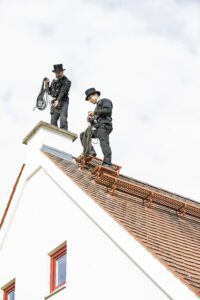
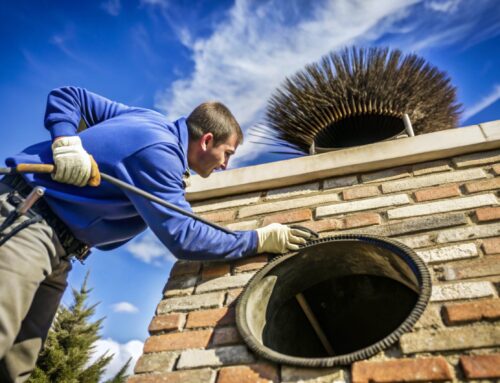
Two chimney sweeps working on house roof.
Chimneys: The Hidden Heroes of Your Home
First things first, why care about chimneys at all? Chimneys have a tough and overlooked job—they carry toxic gases, smoke, and sparks out of your house so you can enjoy a warm fire or use your woodstove without coughing or having smoky air inside.
Think of your chimney as an ice hockey goalie. You may not notice them for much of the game, but when something gets past, everyone notices right away. If your chimney lets smoke, gases, or embers escape into your home, it’s no laughing matter.
Creosote: The Sneaky Fire Starter
Have you ever roasted marshmallows over a fire and noticed the gooey, black stuff sticking to your roasting stick? Chimneys get a similar kind of buildup from fires, but it’s much more dangerous. This black, tar-like gunk is called creosote.
Imagine creosote as that never-invited guest at the party who eats your snacks and then sets off your smoke alarm. It coats the inside of your chimney each time you burn wood, especially if the wood is not fully dried out. Creosote might seem harmless at first, but it’s actually the main cause of chimney fires. It builds up over time and can turn your cozy fireplace into a ticking time bomb.
Only a yearly inspection can let you know how much creosote you’ve got hiding in there. If you wait too long, the first sign of trouble might be a roaring fire inside the chimney itself. That’s a call nobody wants to make in the middle of a cold night.
Critters, Nests, and Surprising Visitors
You’d be surprised what tries to make a home in Colorado chimneys—birds, squirrels, raccoons, you name it. One time, we pulled out a whole family of very grumpy squirrels who had set up shop for the winter. A chimney isn’t meant to be an apartment for wildlife.
Bird nests and other animal blockages can clog the flue and keep smoke and toxic gases from escaping. Sometimes, it takes just one small bundle of twigs to block things up and send those fumes backing into your living room. If your living room sometimes smells like a campfire—or worse—you might have a furry or feathery family taking up space in your chimney.
A yearly inspection by AR Chimney Pros will uncover intruders before they become a real problem, making sure everyone—human and animal alike—stays safe and sound.
Masonry Problems: When Bricks Start to Wear Out
If your chimney is made from bricks or stone, it’s strong, but not unbreakable. Colorado’s freezing and thawing seasons cause bricks to expand and shrink over and over, which can loosen the mortar that holds them together. Over time, this can make your chimney act like a Jenga tower—one sudden breeze or hailstorm away from dropping bricks on your patio.
Chimney inspections find these issues before they get worse. Professionals look for cracked or missing mortar, water damage, and signs that bricks aren’t staying in place. Finding these problems early means you won’t have to pay for huge repairs later—or worry about falling bricks during the next windstorm.
Water—Your Chimney’s Trickiest Enemy
If you’ve ever stood outside without a raincoat in a Colorado spring storm, you know water can be tough to beat. When moisture gets into your chimney, it’s a lot like termites at a lumberyard—slowly breaking down everything out of sight.
Water can sneak in through missing caps, cracks, or old flashing. Once inside, it ruins bricks, makes wood rot, rusts metal parts, and leaves your home smelling damp or musty. Frozen water in winter? It swells and makes those cracks bigger.
Most homeowners have no idea water is causing secret damage until it’s too late. A chimney inspection searches for signs of leaks before you end up with big bills and wet floors from melted snow indoors.
The Scary Side: Fire and Carbon Monoxide Hazards
A fireplace is a comfort—unless smoke or gases start drifting the wrong direction. Here’s when things get serious. If your chimney gets blocked or badly damaged, the dangerous gases from burning fuel—especially carbon monoxide—can sneak right back into your home. Carbon monoxide has a scary nickname: the “silent killer.” You can’t see it, smell it, or taste it. One blocked chimney, and you might have this dangerous gas building up right where your family sleeps.
Chimney fires can be dramatic. Sometimes they’re loud—popping, cracking, roaring. Other times, they burn slow and quiet, but still do serious damage. The National Fire Protection Association says a dirty or faulty chimney leads to thousands of house fires each year. Even if the flames don’t burst out, the heat alone can damage electrical wires, insulation, and leave smoke stains on your things.
By getting your chimney checked yearly, you give yourself a better chance to spot problems before they have a chance to hurt you or your home.
Insurance Claims and Lender Requests
Here’s something most people never think of until they’re talking to their insurance company: a dirty or broken chimney can mess up your claim. Insurance policies sometimes ask for proof that you’ve kept up with routine maintenance.
If you have a house fire, and the insurance company finds out your chimney hasn’t been checked in years, you might be left with the whole bill. Some mortgage lenders ask for an inspection too, especially when you’re buying or selling a house.
A yearly inspection isn’t just about safety—it can keep more money in your pocket and save you from unwanted stress during insurance claims or home sales.
Home Value: Buyers Notice Clean Chimneys
Trying to sell a truck with a squealing belt and an old bumper sticker isn’t easy. It’s the same with trying to sell a house that has a neglected chimney. Home inspectors look for cracks, loose bricks, or heavy soot. These things can scare off a buyer fast.
Showing you’ve taken care of your chimney really matters. Yearly inspection records are like gold stars for your home—they show future buyers (and lenders) that you keep important things safe and working.
How Annual Chimney Inspections Actually Save You Money
Some people skip inspections because they don’t want another bill. But putting it off can cost you a lot more later. Here’s how it often goes:
- No Inspection: You save a couple hundred dollars this year.
- Hidden Problem Grows: Water damage, loose bricks, maybe even some rust or creosote starts to pile up.
- Big Repair Time: Suddenly, you have to pay thousands to rebuild parts of the chimney—or even fix your roof and attic if there’s a fire or water leak.
When you find these problems early, fixing a little is much cheaper and easier than fixing a lot. Stopping problems before they grow saves your money and your peace of mind.
What Happens During a Chimney Inspection
Not sure what a chimney inspection really is? It’s more than just someone peeking up with a flashlight and saying “Looks fine, buddy!” Here’s what the experts at AR Chimney Pros actually do:
- Visual Check: They look at both the outside and inside of the chimney for cracks, loose bricks, water damage, and animal nests.
- Creosote Buildup: They check for soot levels and that thick creosote that signals a fire risk.
- Smoke Chamber: They make sure the smoke shelf and chamber aren’t blocked or falling apart.
- Flue and Damper: They check that the damper opens and closes, and that the flue is clear.
- Chimney Cap and Flashing: They see if the cap is missing or broken, and if the flashing (the metal part where chimney meets roof) is good.
- Special Tools: Sometimes cameras and brushes are used for a better view of the hard-to-reach places.
Your inspection should end with an easy-to-understand explanation and a list of anything that might need fixing. A good inspector can show you photos and answer all your questions without any fuss or confusion.
When Is the Best Time to Schedule Your Inspection?
Now, you may be wondering, “Do I need an inspection if I barely use my fireplace?” If you light a fire more than a couple of times a year, you should get it checked. If you burn a lot of wood, or if you’ve noticed strange smells, smoke, or odd noises (like raccoons fighting over a new home), you need it checked.
The best time is spring or summer—you’ll avoid the busy fall schedule. Some folks wait until the leaves start turning colors, but by then, it’s busy and harder to schedule.
DIY? Only for the Brave and Tall
You might check your own oil and change your own tires, but chimney inspections are not easy. Unless you have a strong ladder, steady nerves, and don’t mind soot all over your face, it’s best to call experts.
We know where to look, have special tools, and aren’t fazed by meeting the random bat or upset pigeon. It’s much safer and cleaner to let someone who does this all the time take the risk and clean it up.
Common Misconceptions About Chimney Care
Let’s clear up a few tall tales, Colorado-style:
- “Gas fireplaces don’t need inspections.” Not true! Gas fireplaces can get blocked or develop leaks, too.
- “I never see smoke inside, so my chimney’s fine.” Problems can be hiding for months before you even know—like old food in the back of your fridge.
- “My house is new, so I’m safe.” New chimneys can still have builder mistakes or animal blockages from the start.
- “I rarely use it.” Water damage, animal nests, and shifting bricks can happen even if you almost never light the fire.
Stories from the Field: When Inspections Saved the Day
Once, we checked a brick chimney for a family in Aurora. They hadn’t used their fireplace in years but wanted to light a fire after a long, chilly snap. We found a packed bird nest and so much creosote you could roast marshmallows for a whole summer camp. Cleaning it out saved them from a chimney fire on the very first night they planned to use it.
Another time, we found a leak that slowly turned a brick wall soft and damp. Spotting it early meant a small repair, rather than rebuilding, and saved the owner from a wet, smelly mess once spring arrived.
In a mountain home near Loveland, we found raccoons that had squeezed through a missing cap. Instead of a night of smoke stuck inside the house, the owner enjoyed a safe, warm fire once the fix was done.
During another job in Lakewood, a loose metal flue piece was rattling loudly on windy nights. It didn’t just drive the homeowner nuts—it blocked air flow and filled the house with smoke when they tried to use the fireplace. One inspection and a quick repair kept both their lungs and ears happier through the winter.
How AR Chimney Pros Can Lend a Hand
At AR Chimney Pros, we know that Colorado weather can create tricky problems, from hail to thick wildfire smoke. We’ve handled it all through the years. Our team does more than sweep away soot—we check every space, fix problems before they grow, and explain every step in easy words.
When you call us for an inspection, you’re choosing safer nights in a house you trust. No sneaky fees, no added charges for things you don’t want, and no sales pitches. Just honest talk, professional work, and a chimney working just as it should.
Ready to Sleep Easy?
Don’t let your chimney surprise you with a problem—take care of it before trouble starts. Schedule your annual chimney inspection with AR Chimney Pros, and keep your home protected from fires, water leaks, and surprise animal guests.
Give us a call at 720-608-7668 or visit archimneypros.com. We’ll help you keep your chimney safe, clean, and ready for those cold Colorado winters. You’ll rest better knowing AR Chimney Pros is looking out for your family and your home.





Leave A Comment