

The Science Behind Chimney Flue Cleaning: What Happens During the Process
Imagine sitting around your fireplace on a cold Colorado night, warm, relaxed, and happy—until your chimney starts acting up. That’s a clear sign your chimney flue might need cleaning! But what actually happens during a professional chimney flue cleaning, and why does it matter for your home? Grab a cup of cocoa, put your feet up, and let’s take a light-hearted yet sharp tour through the world of chimney flue cleaning, AR Chimney Pros style.
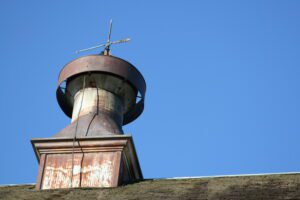
Cupolas were originally designed to add natural light and ventilation to the area under a roof on barns.
Chimneys: More Than Just Brick Stacks
First, let’s get our facts straight. A chimney isn’t just a stack of bricks poking out the roof. Deep in its tunnel is the flue, which acts a bit like the throat of your fireplace. As fires burn and embers pop, all that smoke, soot, and residues zip up through the flue to escape outdoors. Think of it like a big straw for smoke. But just like any well-used straw, it needs a good cleaning every now and then, or it gets gunked up.
The Grubby Truth: What’s Hiding In Your Chimney?
Not everything that burns disappears like magic. Fires leave behind leftovers—soot, creosote, dust, and sometimes even the odd bird’s nest. Creosote is the biggest troublemaker. It’s a sticky, tar-like substance that forms when wood burns. If your fires don’t burn hot enough, creosote builds up faster, kind of like gravy congealing after Thanksgiving dinner. Over time, too much creosote becomes a fire hazard. This stuff can even catch fire itself! Soot is less sticky but still adds up, a bit like dirt after a long road trip.
Besides black, dusty gunk, chimneys sometimes host critters. Birds, squirrels, or raccoons think your flue is a cozy inn when winter arrives. You’d be surprised what pros find in there—anecdotes of lost baseballs and toys are true, too!
Why Clean the Flue? It’s Not Just for Looks
A clean chimney flue keeps your home safe and your fires burning bright. Buildup can cause three main headaches:
- Chimney Fires: Dirty flues can ignite, putting you, your family, and your house at risk.
- Poor Airflow: Soot and creosote block air from escaping. When smoke can’t get out, it finds its way into your living room.
- Carbon Monoxide Risk: If smoke can’t escape, poisonous gases like carbon monoxide can creep into your home. Carbon monoxide doesn’t knock—it sneaks in, silent and dangerous.
Much better to be known as the smart neighbor with cozy, safe fires.
Professional Chimney Flue Cleaning: What Do the Pros Actually Do?
Now, onto the million-dollar question: what really happens during a professional chimney flue cleaning by a company like AR Chimney Pros?
Step 1: Suiting Up
Every pro needs their armor. Chimney sweeps look like they’re auditioning for the next superhero movie. Thick gloves, high boots, coveralls, goggles, and a mighty face mask keep all the gunk out, right where it belongs—anywhere but their lungs.
Picture the scene: AR Chimney Pros show up with gear that would make any coal miner envious. In your living room, they carefully lay protective sheets, so your favorite rug won’t get a “chimney chic” makeover. Then, it’s off to work.
Step 2: The Inspection
First, your chimney gets a good, careful look—using a flashlight and even special cameras. This step is like using X-ray vision to find hidden problems, cracks, animal nests, or chunks of creosote making themselves at home.
Sometimes, pros spot damage or blockages needing more than cleaning, like a crack in the chimney liner or a family of birds who need eviction.
Step 3: Setting Up Tools and Containment
Next, it’s time to bring out the cleaning gadgets. Think of Batman’s utility belt, but with brushes that would make any janitor jealous.
Sweeps seal off the fireplace opening with a tarp and tape. Why? To keep soot from turning your mantel into a painting. Then, they bring out vacuums with serious suction. These machines trap dust before it can float around your living room—so you can actually see your TV afterward.
Step 4: The Brushing
This is the showstopper—the moment when a long, flexible brush (imagine spaghetti noodles powered by a drill) twirls up the flue. Depending on whether your flue is metal or clay, sweeps pick a brush that fits just right. They work from either the inside or up on the roof, sending brushes up and down until every inch of the flue looks crisp and clean.
This part is more work than it looks. Sooty clouds swirl; chunky creosote rains down. It’s messy, it’s noisy, and it’s oddly satisfying!
Step 5: Cleaning the Smoke Chamber and Damper
Right above the firebox is the smoke chamber—the last stop before smoke leaves the house. This area is like the on-ramp onto the highway for your smoke. It collects a ton of gunk because the airflow slows here.
Pros use special hand brushes and vacuums to tidy up this spot. Then, they wipe down the damper (the little door that opens and closes in your chimney) to make sure it moves freely.
Step 6: Final Inspection and Clean-Up
Once the scrubbing’s over, another look with the flashlight (or the camera) ensures nothing’s left behind. The sweeps clean up every speck of soot from your hearth, floors, and wherever else it tried to land.
Pros double-check their work to ensure airflow is strong, and everything’s safe. If repairs are needed, they’ll show you pictures or talk through next steps.
Step 7: Give You the Report Card
AR Chimney Pros don’t just wave goodbye—they show you the results. You can see before-and-after photos and get tips for keeping your chimney in tiptop shape until next time.
What Tools Do Chimney Sweeps Use?
Let’s peek into the AR Chimney Pros toolbox:
- Chimney Brushes: Round or rectangular, stiff-bristled, and sized to fit your chimney. They’re screwed onto rods that connect together, making them long enough to clean even the tallest flues.
- Power Drills: Used to spin some brushes super-fast. It’s like a toothbrush for your chimney!
- Vacuum Systems: Far more powerful than your carpet cleaner. These HEPA vacuums trap even the tiniest soot particles.
- Inspection Cameras: Imagine a tiny robot crawling through your chimney, snapping photos and taking video. That’s how sweeps find hidden problems.
- Flashlights, Scrapers, and Hand Brushes: Every nook and cranny gets attention.
How Often Should You Have Your Chimney Flue Cleaned?
Think of chimney cleaning like changing your car’s oil. For most folks burning wood, a sweeping once a year covers it. Heavy fireplace users, especially those with up to three cords of wood per season, may need cleaning twice during the colder months.
- Burn wood more than twice a week? Yearly cleaning is a must.
- Mostly natural gas or electric? Still get an inspection yearly to catch any issues before small problems get bigger.
- Steel or prefab chimneys? Manufacturers recommend annual cleaning, too.
Letting years fly by without cleaning is risky, unreliable, and just plain old-fashioned.
Common Myths About Chimney Flue Cleaning
- Myth 1: “Burning potato peels cleans the chimney.”
Potato peels won’t remove stubborn creosote. If this trick worked, AR Chimney Pros would be buying out every grocery store in town. - Myth 2: “If I only burn hardwood, I don’t need cleaning.”
Hardwood burns hotter, which helps, but no wood is so magical it leaves a flue squeaky clean. Ashes and creosote still add up. - Myth 3: “Creosote isn’t a real problem.”
Tell that to the 20,000+ chimney fires reported each year in the U.S. Creosote is as flammable as fireworks on the Fourth of July. - Myth 4: “I can do it myself with a log from the hardware store.”
Those “cleaning logs” only loosen some creosote. They don’t scrub the sticky, tough stuff. A brush-in-hand pro is the only way to really get the job done right.
The Real Impact: Cleaner Chimneys and Peace of Mind
- Fires burn better in a clean flue.
- Smoke draws up the chimney, not into your living room.
- No mystery odors, no “eau de soot.”
- Lower risk of dangerous chimney fires.
- Better air quality in your home.
- No awkward conversations with your insurance after an avoidable fire.
Regular cleaning extends the life of your chimney. Bricks and liners take a beating if chemicals and moisture are trapped by soot. Left alone, this can lead to big repairs—much harder on your wallet than a yearly checkup.
An Anecdote: The Curious Case of the Clinking Chimney
Picture this: A Colorado dad, Mark, settled into his new home, ready for his first wood-burning fire. Fire lit, he noticed odd clinking noises from the flue. Turns out, an enthusiastic raccoon had dropped a bag of marbles—not really, but lots of nuts and junk—down the chimney over the summer. When AR Chimney Pros came to clean, out tumbled more debris than anyone bargained for. A proper cleaning made fires safer, warmer, and a lot less noisy!
Don’t Ignore the Signs
Your chimney won’t send you texts, but there are red flags that it needs cleaning:
- Smoke in the house
- Burn marks or black stains above your fireplace
- Oily marks on the walls of the firebox
- Poor draft—fire struggles to get roaring
- Animal noises from above (No, Santa isn’t early.)
- Odd smells, especially after rainy weather
Taking care of these signs ASAP pays off later.
Why AR Chimney Pros are Colorado’s Chimney Champions
Now, you know what happens, why it matters, and even what kinds of tools get the job done. When you trust AR Chimney Pros, you’re putting your chimney—and your peace of mind—in the hands of experienced folks who’ve seen and cleaned just about everything in Colorado flues.
Skip the mess and the stress. AR Chimney Pros provide friendly, thorough service, using up-to-date tools with all the skill you want in your living room. Clean chimneys mean cozy evenings and safe sleeping.
Give AR Chimney Pros a call at 720-608-7668 or check out https://archimneypros.com to schedule your chimney flue cleaning today. You’ll get cleaner air, safer fires, and more time to relax—without having to dodge clouds of soot or uninvited critters!







Leave A Comment