
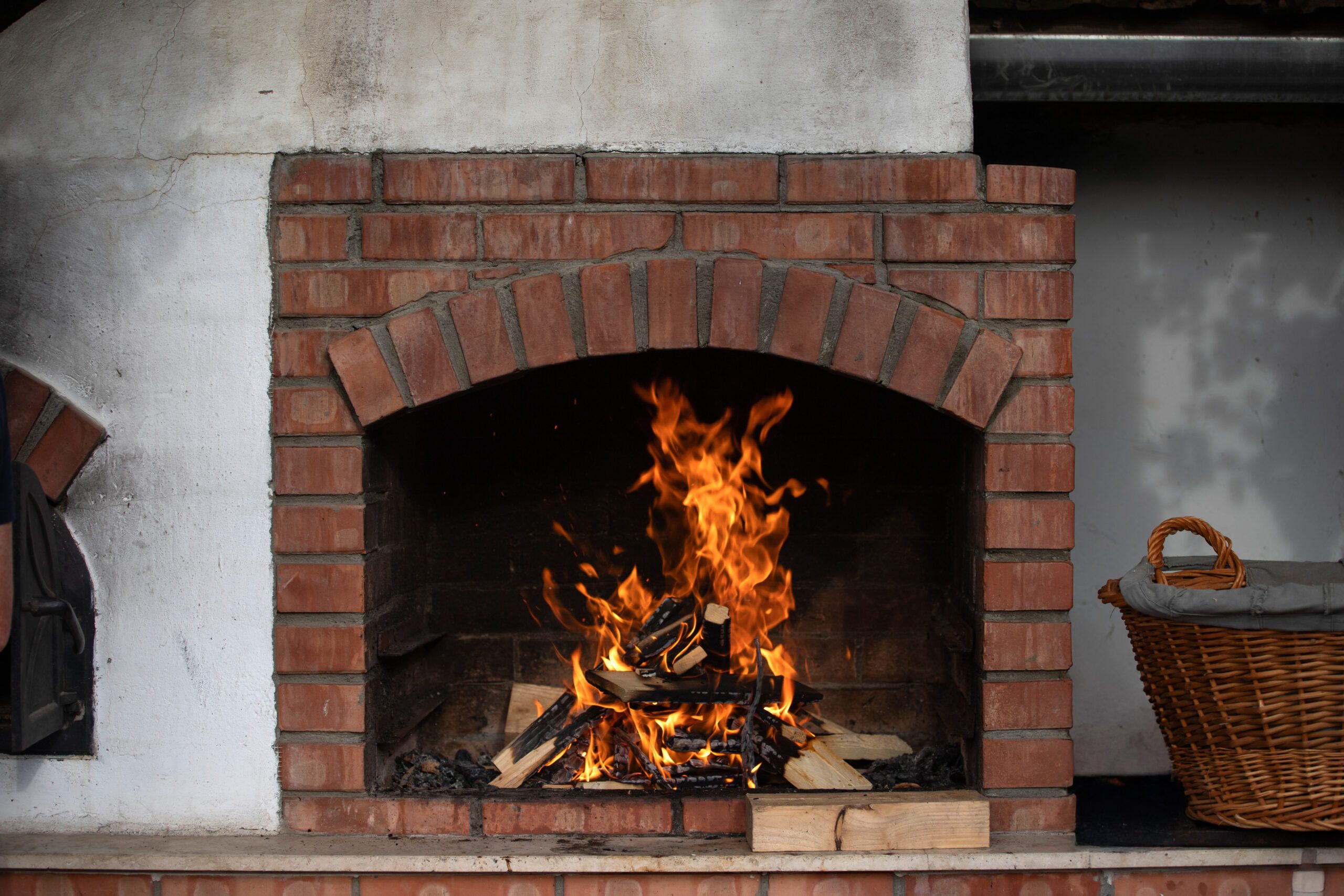
Refractory panels protect your firebox walls from brutal heat. If the panels have small, hairline cracks, a pro may repair them and keep them working. If you see wide cracks, missing chunks, panels that feel loose, or hot spots that keep coming back, replacement is the safer move. Good fit and proper gaps matter, because tight panels can break and sloppy panels can leak heat where it should not go.
What refractory panels do, and why they matter
Think of refractory panels as the oven mitts for your fireplace. They take the heat so the firebox shell does not have to. Many factory built fireplaces and some prefab units use these panels on the back and side walls.
They do a few key jobs.
- They reflect heat back toward the fire, helping the fire burn more steady.
- They slow down heat transfer to the metal box and framing around it.
- They protect the firebox from flame and ember contact.
When panels fail, the firebox may run hotter in the wrong places. That can shorten the life of the unit. It can also raise safety concerns, especially if heat starts showing up where it should not.
For a full system check, schedule a Chimney Inspection or review options for a Chimney Sweep.
Refractory panel basics, in plain talk
Refractory panels are made from heat resistant mixes. Some are a light cement board style. Some are denser. Most have a rough, sandy look.
A few terms you may hear.
- Firebox: the area where wood burns.
- Refractory: a heat tough material that handles repeated high temps.
- Expansion gap: a small space that lets parts expand when hot.
That last one matters more than most folks think. Heat makes materials grow. If panels are jammed in too tight, they can crack faster. If panels are too loose, heat and flame can sneak behind them.
If you want a pro to evaluate fit and spacing, use Contact Us.
Why hot spots happen, and where wear shows up first
Hot spots are places that take more heat than the rest. Picture a campfire. The area right behind the flames takes the most punishment. Same thing in a firebox.
Hot spot wear often shows up in these areas.
- Back wall center, right where flames roll up
- Side walls near the back corners
- Lower panels near the log pile
- Spots where wood leans and rubs
If you burn big loads, use very dry wood, or run long fires, the wear speeds up. If you burn small, hot fires that roar like a jet engine, that also speeds up wear.
You may notice signs like these.
- A darker patch that looks baked
- A surface that starts flaking or pitting
- Cracks that keep growing in the same spot
- A panel edge that looks crumbly
If your fireplace could talk, it might say, “Buddy, I can do heat, but I cannot do a boxing match every weekend.”
Normal cracks vs problem cracks
Many refractory panels get small hairline cracks over time. That can be normal. Heat cycles do that. Cold to hot, hot to cold, again and again.
The cracks that raise eyebrows are different. They look and act like they mean business.
Usually normal
- Thin hairline lines that do not change much
- Fine surface checking that stays flat
- Cracks that do not open when you press gently nearby
More serious
- Cracks you can catch with a fingernail
- Gaps you can slide a coin edge into
- Cracks that run all the way through a panel
- Cracks paired with missing chunks or soft edges
If you see daylight behind a panel, that is not a “maybe.” That is a “stop and check.”
When in doubt, schedule a Chimney Inspection so the full firebox and venting path can be evaluated.
Repair vs replace, the typical thresholds pros use
Homeowners often ask, “Can you just patch it?” Sometimes, yes. Sometimes, patching is like putting a bandage on a ripped work boot. It might hold for a bit, but you still need a new boot.
Here are common thresholds many techs use when judging fireplace refractory panel repair vs replacement. Exact rules can vary by unit type and maker, so a site visit matters.
Repair may be possible when
- Cracks are hairline to small and mostly on the surface
- No panel is loose, rocking, or shifting
- No chunks are missing
- The panel still sits flat and tight in its channel
- There are no repeat hot spots that keep baking the same area
A pro may use a listed refractory repair product, used the right way, and only where it fits the unit specs.
Replacement is often the safer choice when
- A crack runs through the full thickness
- There is spalling, which is flaking and crumbling from heat
- A corner or edge chunk is missing
- The panel bows, warps, or no longer sits flat
- The panel is loose or gaps appear at seams
- Hot spot wear is severe, dark, or getting worse fast
If the panel system is part of a factory built fireplace, correct replacement parts matter. Random board or “close enough” cuts can create fit issues.
If panel issues are tied to broader firebox wear, a visit for Chimney Repair planning can help identify the right next step.
Spacing and fit, small details that keep you safe
Refractory panels need correct spacing. That sounds simple, yet it trips up many DIY installs.
Key safety notes.
- Do not jam panels in tight. They need a small expansion gap so heat growth does not crush them.
- Do not leave big open seams. Heat can reach the firebox shell or areas behind the panel.
- Panels must sit in their tracks, brackets, or channels the way the maker calls for.
- Never use fasteners that the unit does not allow. Screws in the wrong spot can damage the box.
- Do not add extra insulation or filler behind panels unless the maker allows it.
If a panel does not fit like a puzzle piece, stop. A “good enough” fit can turn into cracks, shifting, and hot spots.
How Colorado weather plays into panel wear
Colorado weather is a bit like a moody neighbor. Sunny at lunch, snowing by dinner. That swing matters.
- Cold starts: Lighting a fire when the unit is ice cold can stress panels. Rapid temp change can grow cracks.
- Dry air: Very dry indoor air can dry out soot and dust. That grit can act like sandpaper when logs bump panels.
- Freeze and thaw: If moisture gets into a chimney system or chase, temperature swings can add stress to materials.
- Wind: Wind can change draft. A fire that burns too hot, too fast can hammer panels.
Simple habits help. Warm up the fireplace with a smaller starter fire before you go big. Burn seasoned wood. Keep the system inspected so water issues do not stack the deck against you.
More on the general system components is available at https://en.wikipedia.org/wiki/Fireplace.
What we usually see in Colorado homes
In many Colorado neighborhoods, we see a lot of factory built fireplaces in newer homes, plus masonry fireplaces in older builds.
Common patterns we run into.
- Panels cracked at the back wall after years of long burns during cold snaps
- Loose panels after log impacts, often from loading big splits
- Hot spot wear in units that burn fast with strong draft, especially on windy days
- Panel damage paired with chimney cap or crown leaks that let moisture in
We also see this in areas near Wadsworth Boulevard and in communities like Highlands Ranch, where homes often have prefab units that depend on panels and correct fit.
If moisture entry is part of the picture, checking the top of the system, including the Chimney Cap and Chimney Crown, can be helpful.
Quick troubleshooting steps you can use at home
Use this simple checklist before you light the next fire. Only inspect when everything is cold.
- If you see hairline cracks only, then keep watching them and plan an inspection at your next annual service.
- If a crack is wide enough to catch a fingernail, then stop using the fireplace until it is checked.
- If a panel feels loose when you press gently, then stop using the fireplace and schedule service.
- If chunks are missing or edges crumble, then replacement is likely needed.
- If you see dark baked spots that keep growing, then ask for a full firebox and venting check.
- If panels do not sit flat in their channels, then do not try to force them, get a pro to confirm correct parts and spacing.
- If you notice a sudden change in draft or the fire burns extra hard, then have the chimney and cap checked too.
This is not about being jumpy. It is about not guessing with fire.
Common myths and the facts
Myth: All cracks mean the fireplace is unsafe.
Fact: Small surface cracks can be normal, but large or through cracks call for a closer look.
Myth: Any cement patch will work.
Fact: Some products cannot take repeated high heat, and some can crack or fall out. Listed materials and correct use matter.
Myth: Tighter panels are better.
Fact: Panels need a small gap for heat growth. Too tight can crack them faster.
Myth: If the firebox looks fine, the chimney is fine.
Fact: Draft, moisture, and venting issues can speed up panel wear, even when the firebox looks okay at first.
When repair makes sense, and what a pro may do
When cracks are minor, a pro may repair them in a way that keeps the panel working.
Typical repair goals.
- Seal small cracks so heat does not focus on one line
- Smooth rough spots that may keep flaking
- Keep panels seated and stable
A pro also checks why the crack happened. If logs hit that wall a lot, the fix may include safer loading habits. If draft is too strong, the fix may include venting checks.
If the firebox structure needs attention beyond panels, ask about Firebox Repair.
When replacement makes sense, and what proper replacement looks like
Replacement is about restoring the panel system, not just making it look nice.
A proper replacement job often includes.
- Confirming the exact fireplace model and correct panel set
- Checking the panel channels and supports for damage
- Setting panels with correct spacing and alignment
- Verifying seams and corners are seated
- Checking the rest of the firebox and damper area for heat wear
If the unit uses a specific panel thickness, that thickness matters. Too thin can fail fast. Too thick may not fit right and can bind when hot.
Safe burning habits that help panels last longer
Panels take a beating, but you can help them out.
- Use seasoned wood. Wet wood can smoke more and leave more residue.
- Do not overfill. Keep logs from pressing hard on panels.
- Do not slam logs into the back wall. Treat it like a tool, not a trash can.
- Start small, then build. Let the firebox warm up.
- Keep airflow normal. Do not run with odd setups that cause a blast furnace effect.
If you want a simple mental picture, think of your panels like brake pads. Smooth driving helps them last.
For general home fire safety guidance, see https://www.nfpa.org/education-and-research/home-fire-safety.
Care schedule for refractory panels and the full fireplace
Weekly during burn season
- Look at the firebox when cold, check for new chips, new gaps, or loose panels.
- Sweep out excess ash so logs sit steady and do not roll into panels.
Monthly during burn season
- Do a closer look with a flashlight. Check seams and corners.
- Watch for hot spot signs, darker patches, or flaking.
Yearly
- Schedule a chimney inspection and fireplace check.
- Ask the tech to inspect panel fit, support rails, and firebox condition.
- Confirm the chimney cap and top area are keeping water out.
If you burn a lot, add a mid season check. Colorado winters can be long, and fireplaces can get a workout.
Annual service may include a Chimney Sweep along with a Chimney Inspection.
FAQs
Can I use my fireplace with cracked refractory panels?
Small hairline cracks are often okay, but wide cracks, loose panels, or missing chunks mean pause use and get it checked. When you are unsure, treat it like a yellow light.
What causes refractory panels to crack the most?
Heat cycles, logs hitting the panels, overfiring, and hot spots. Strong draft on windy days can also make fires burn hotter than you expect.
How do I know if a crack is “too big”?
If you can catch it with a fingernail, see it open up, or see it run through the panel, it is time for a pro to look. If a piece is missing, that is also a strong sign.
Is it safe to patch refractory panels myself?
Some small repairs may look simple, but product choice and fit rules matter. Wrong materials or poor prep can fail fast. If you do not know your fireplace model and part specs, get help.
Do refractory panels need a gap between them?
Yes, many systems need a small expansion gap so panels can grow when hot. The right spacing depends on the unit. Too tight or too loose can both cause trouble.
Can cold Colorado weather make damage worse?
Yes. Cold starts and fast heat up can stress panels. Moisture problems plus freeze and thaw can add stress too. A smaller starter fire helps reduce shock.
What else should be checked when panels are worn?
A good check also looks at the firebox shell, damper area, smoke shelf, and venting draft. Water entry at the top of the chimney can also play a part.
How long do refractory panels last?
It depends on burn habits, wood quality, and fireplace type. With normal use and good habits, many last years, but hot spots and impacts can shorten life.
AR Chimney Pros can inspect your firebox, spot hot spot wear, and handle refractory panel repair or replacement with correct fit and safe spacing, so your fireplace runs steady through Colorado winters. Call (720) 608-7668 or visit https://archimneypros.com to schedule service. You can also use Contact Us.





Leave A Comment