
Gas vs. Wood Fireplaces: Which One is Right for Your Space?
Picture this: It’s a cold Colorado evening, snow swirling outside your window, and you’re sitting by a warm, crackling fire. But which fireplace is doing the work in this cozy scene—a classic wood-burning fireplace or its gas-powered cousin? Picking between the two isn’t just chance. There are reasons people favor one over the other, and getting the right one for your space can really matter.
Every fireplace tells a story. Some remind you of wild trails and pine trees, others bring modern comfort. This post will guide you through all the details of both gas and wood fireplaces. We’ll look at their personalities, costs, cleaning needs, safety points, and more. By the time you finish reading, you’ll be able to picture not just the perfect fire, but the perfect fireplace for your Colorado home.
Ready to find your match? Pull up a chair. The fire’s about to begin.
The Basics: What Sets Gas and Wood Fireplaces Apart?
Imagine a wood-burning fireplace as that hardworking grandpa with a bushy beard and stories for days. He loves the smell of smoke, isn’t afraid of a little mess, and is always up for a challenge—chopping, stacking, and stoking. The gas fireplace, by comparison, is like your handy neighbor with all the best gadgets. A click of a remote, and there’s instant flame, warmth, and no fuss.
- Wood Fireplaces: Burn real logs, make that nostalgic crackle, fill the house with smoky warmth, and need regular cleanup.
- Gas Fireplaces: Use natural gas or propane to make a steady flame. They’re easy to start, stay clean, and you won’t have to bring in wood during snowy weather.
Style and Ambiance
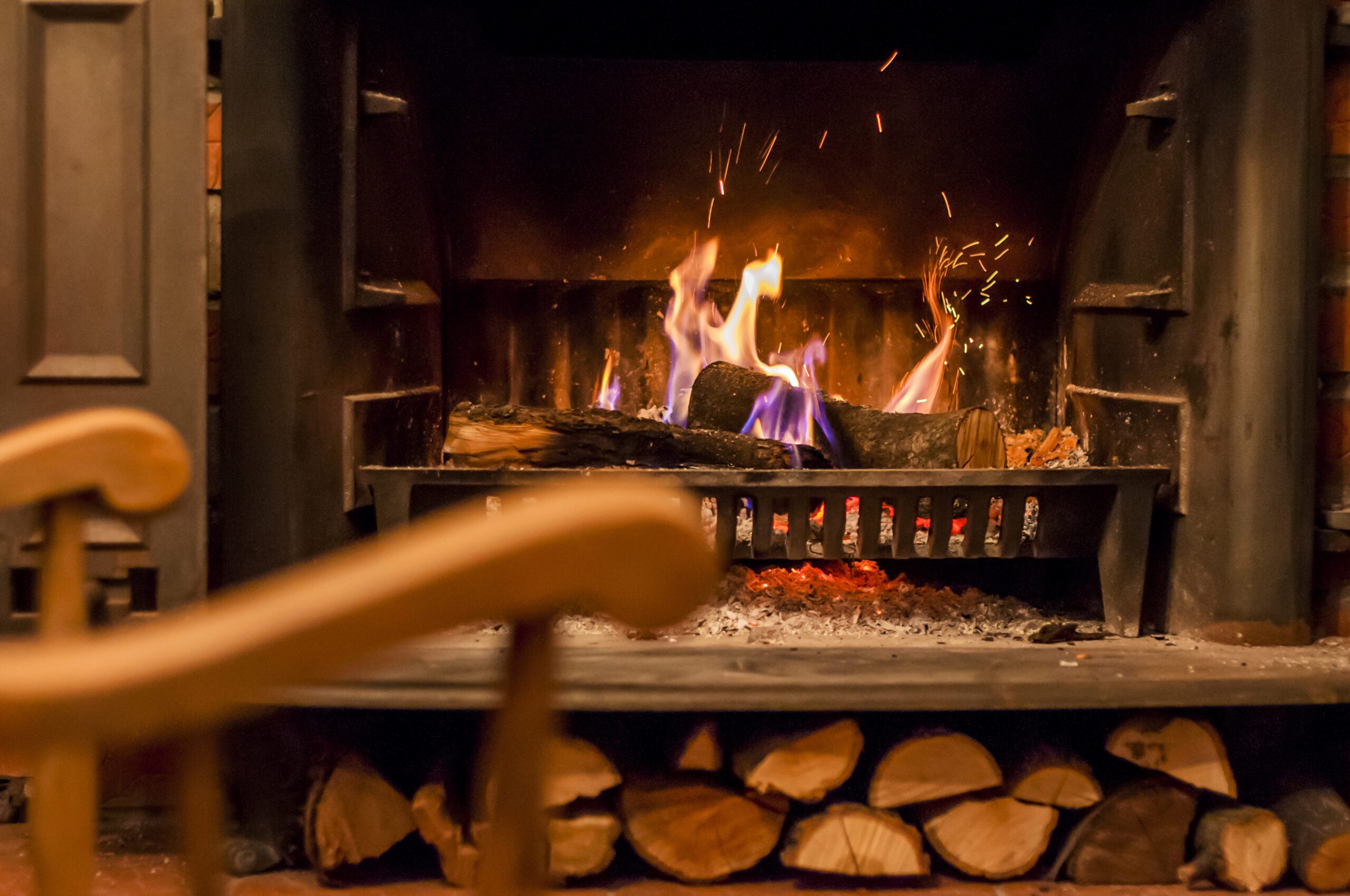
- Wood Fireplaces:Nothing can really equal the sight and sound of burning logs. Imagine sitting with a mug of cocoa, feet up, listening to the snap and pop of the fire. The smell of burning wood brings back memories of campouts and cabins. You get the original, old-school connection to nature.But, just like a good beard, wood fires need attention. They smoke and hiss, can leave bark and ash behind, and require some patience to keep going. Some people wouldn’t give up that feeling for anything.
- Gas Fireplaces:Gas fires do the job with less hassle. They’re neat, easy to use, and you control them with a button or remote. Gas fireplaces come in all kinds of sizes and finishes—modern, rustic, stone, metal—you name it. You won’t get as much of that “campfire” feeling, but you will get steady warmth and a cozy atmosphere as soon as you want it.If “set it and forget it” sounds good, or you don’t want to keep an eye on your fire, gas might be the winner here.
Installation and Set-Up
Let’s get down to the facts. Putting in a fireplace isn’t as easy as picking out a pair of socks. Your room size, vent style, and wallet all matter.
- Wood Fireplaces:
- Need a chimney or a strong vent system.
- Chimney installation or fixing up an old one can be a pretty big project.
- Often need a firebox made from sturdy stuff like brick or stone.
- Local Colorado building rules set where and how these can be installed, especially in newer neighborhoods.
- Gas Fireplaces:
- Can vent through a wall or roof with a smaller, easier-to-install vent, or even have no vent (if your area allows it).
- Inserts are sold that fit into an old fireplace, which is a cool option if you’re switching types!
- Usually takes less work to put in than wood types.
Best idea: Always check local rules and have an expert (like AR Chimney Pros) handle the job to keep things safe and working well.
Cost: Upfront and Down the Road
That “budget” for a project always seems to grow, doesn’t it? Same here. It’s not just about the price to buy a fireplace. Think about fuel costs, maintenance, and repairs, too.
- Wood Fireplaces:
- Usually more expensive to install, because of the chimney and building materials.
- Wood is less expensive than gas in some places, but you have to buy, stack, and store it—or chop it yourself if you like hard work.
- Insurance might be higher for homes with wood fireplaces, since there’s more risk for fire and smoke damage.
- Gas Fireplaces:
- Easier installation means fewer dollars spent. Inserts are a savings if you already have a fireplace.
- More expensive up front than some wood stoves, but usually worth it for the comfort.
- Gas isn’t free, but it burns clean and prices usually stay the same.
- Maintenance costs are generally lower.
Remember, costs change depending on home size, vent requirements, and fuel prices where you live in Colorado.
Heating: Warmth Factor
You’re not just after a pretty flame—you want to thaw those frozen toes, right?
- Wood Fireplaces:
- Can put out a good deal of heat, but a lot of it goes up the chimney. Older fireplaces often pull heated air from the room and send it out with the smoke. That can leave you chilly even with the fire going.
- Newer wood stoves and inserts do much better, keeping more heat inside. The right type can heat a big room or smaller house, but you’ll need to keep feeding it.
- Gas Fireplaces:
- Heats up fast and keeps things warm at a steady pace.
- Direct-vent gas ones are smart—they use outside air to make fire and keep your warm air indoors.
- Most have a fan to move heat more evenly.
- You can set a thermostat to keep your room just how you like it.
The truth is: Both give warmth, but gas is usually easier to control and more effective. Wood can make lots of heat if you keep the fire going, but it changes more.

Maintenance and Cleaning
No one wants to spend their Saturday up to their elbows in ashes (unless you lost a ring in the fire—then you have no choice). Here’s what goes into care for each kind.
- Wood Fireplaces:
- Regularly scoop ashes and clean the glass if you want to see your fire.
- Have your chimney cleaned every year—creosote builds up from wood smoke, and that stuff can cause dangerous chimney fires if not removed.
- Bricks and firebox may need fixing over the years. Soot marks can damage brick if left too long.
- Gas Fireplaces:
- Easier—no ashes, no logs, no dark glass every week.
- Needs to be checked each year so gas lines, vents, and starters work right.
- Sometimes the fake logs or ceramic bits get dusty, but that’s about it.
- No creosote worries, so less chance of chimney fires.
Do you want to clean up after a big holiday feast or just rinse off your plate? That’s kind of the difference here.
Safety: Keeping the Home Fires Safe
Let’s face it: Fire is hot. Safety is a top concern for every Colorado homeowner.
- Wood Fireplaces:
- Burning logs mean real flames, hot coals, and sparks that can jump out if you’re not careful.
- Ashes stay hot for hours, even days—it pays to be careful when you clean up.
- Creosote buildup in chimneys is the biggest danger. A good cleaning routine keeps this risk low.
- Needs a strong spark guard and safe space around it.
- Gas Fireplaces:
- Flames sit behind glass or in a sealed box—better for families with little kids and pets.
- No flying sparks or moving logs.
- Gas leaks are rare but can happen with bad lines or old equipment. This is why yearly inspections are needed.
- Some newer models turn off by themselves if there’s a problem.
Both types should be set up and checked on by experts. If you ever hear hissing or smell rotten eggs (that’s put in gas so you’ll notice), call in help right away!
Environment: Smoky or Clean?
Colorado families love blue skies and crisp air. How do fireplaces compare when it comes to the environment?
- Wood Fireplaces:
- Burning wood makes smoke with tiny bits and gases. It’s fun for s’mores, but not the best for air.
- New EPA-certified wood stoves and inserts are much better, sending up less smoke and fewer pollutants.
- Burning dry, local wood is best—wet wood or trash makes more smoke.
- Gas Fireplaces:
- Burns clean and gives off almost no smoke or soot.
- Natural gas is still a fossil fuel, but it makes much less carbon than burning wood.
- Works better where there are rules against wood-burning or days with air alerts.
Colorado sometimes has days where burning wood is not allowed, to keep the air fresh. Make sure you look up the rules before you buy or install a fireplace.
Fuel: Chopping Wood or Turning a Knob?
Fireplaces need fuel, just like a car. But not everyone wants to swing an axe or haul propane tanks.
- Wood Fireplaces:
- Need a place to store dry firewood—keep it away from bugs, dry, and close enough so you’re not walking through snow to get it.
- Cut your own wood? Good workout and can save a bit of money. But wood has to dry for at least half a year—no fast fix.
- If you buy from a dealer, prices change with the seasons and weather.
- Gas Fireplaces:
- Tied right into your home’s natural gas or propane. Just flip the switch and you’re set.
- No messy piles, no need to carry bundles in and out.
- Price changes with fuel costs, but it’s all automatic.
Is working with wood your kind of thing, or would you rather just push a button and relax? That’s something to consider.
The “Cool Factor”: Which Fits Your Home and Lifestyle?
Do you love modern looks or like the feel of country living? Throwing real logs in the fire makes you feel like a mountain man, while using a thermostat and phone app is perfect for someone who loves gadgets.
- Wood Fireplaces:
- Traditional look, big stone or brick around them, and a mantel for decorations.
- Great for cabins, family rooms, and homes aiming for “mountain lodge” style.
- Some stoves can be used for cooking, roasting marshmallows, or just for looks.
- Gas Fireplaces:
- All kinds of styles—built into walls, stand-alone, two-sided, see-through, or even made for outdoor use.
- Sleek designs for modern houses or inserts that add a classic touch without the mess.
- Some units offer colored flames, fancy lighting, remote controls, and even smart thermostats.
Can’t pick? Some people put in both—a gas fireplace in the living room for everyday use, and a wood stove in a den or garage for special days.
Rules and Restrictions: Colorado Considerations
Colorado is famous for wild weather—sunny in the morning, a snowstorm at noon, wildfire warnings at dinner. The type of fireplace you install can also depend on local rules and your area.
- Wood-burning bans: Sometimes, burning wood isn’t allowed to keep the air clean.
- Building rules: Local laws might decide what you can put in and where.
- Insurance: Some companies may charge more for homes with wood fireplaces since there’s more risk.
Check to make sure your fireplace choice follows county health guidelines, fire department rules, and your insurance company’s needs.
Real Colorado Stories: Who Chose What?
- Dale in Golden:“I grew up splitting logs and building fires. When I bought my place, I wanted a classic stone fireplace. Sometimes it’s work, but I like the routine. There’s nothing like sitting back with a cold drink, watching the fire go.”
- Tom in Highlands Ranch:“I’m busy. My house came with a gas fireplace, and I love walking in after work, pressing a button, and getting heat right away. Plus, my kids can’t get near the flames—much safer for us.”
- Morgan in Boulder:“My old wood fireplace made too much of a mess. I had AR Chimney Pros put in a gas insert—best thing I ever did. The house smells better, and I don’t spend my weekends cleaning.”
Which Fireplace Works for You?
Think about these questions to help you pick:
- How much time do you want to spend taking care of the fire?
- Do you enjoy the smell and sound of real wood, or do you want warmth without the hassle?
- Is easy cleaning important?
- Are you trying to heat one room or the whole house?
- Do you have a good supply of dry wood nearby?
- Do you have small children, pets, or someone who needs more safety?
Both types have their fans. There’s really no wrong answer—just what fits you, your home, and your routine.
AR Chimney Pros: Fireplace Experts, Colorado Proud
Whether you want the crackle of a wood fire or the easy comfort of gas, keeping your fireplace safe and tidy should be a top goal. That’s where AR Chimney Pros steps in. Our crew helps keep homes across Colorado cozy, with helpful, skilled pros who know fireplaces inside and out. We handle installations, cleanings, repairs, and official checks for both wood and gas types.
Fireplaces bring comfort, warmth, and a special feeling to Colorado homes. We want you to enjoy yours—without the headaches or hidden dangers. Our team makes sure your system works safely and smoothly, winter after winter.
Want to make your home cozier and keep your family safe? We’ll help make your fireplace the perfect spot in your home—not a source of worry.
Call AR Chimney Pros at 720-608-7668 or visit https://archimneypros.com to schedule your appointment, ask a question, or start designing your dream fireplace. Your Colorado home deserves the best, so let’s get your fire burning safely and just the way you want!





Leave A Comment