
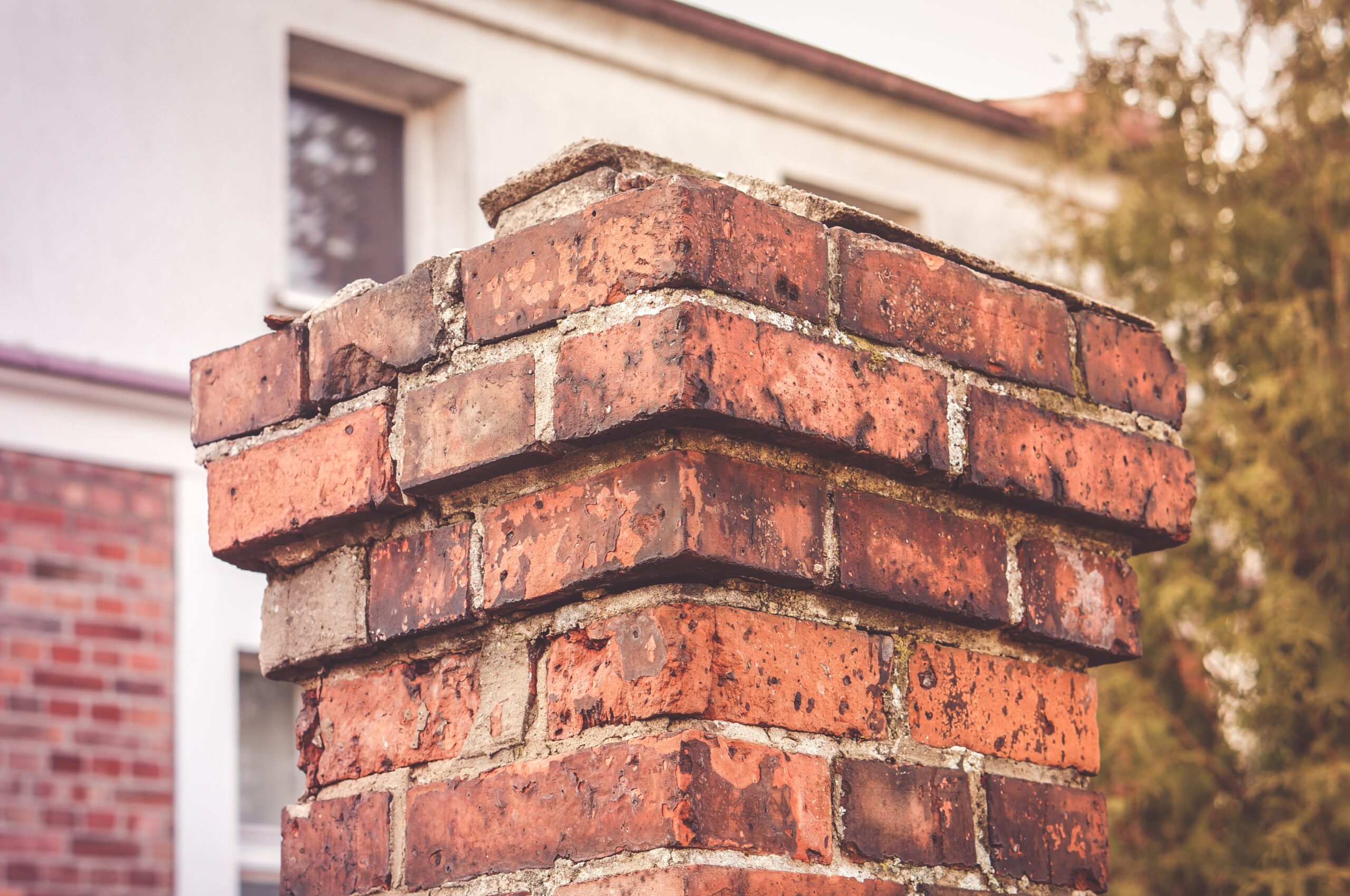
Firebox damage can be simple or serious. Small hairline marks often look worse than they are. Wide cracks, missing mortar, or gaps around panels can point to heat problems or water damage. Spalling, where brick flakes off, can spread fast. This guide shows what to look for, what it means, and when to call for service, so you can enjoy your fire without worry.
What is a firebox and why it matters
Think of the firebox as the fire’s home base. It is the brick, panel, or metal area where the logs sit and burn. It keeps heat and flame contained. It shields nearby framing. If the firebox is hurt, heat can creep where it should not. Small flaws can stay small. Big flaws can spread. Knowing the difference saves time and keeps your home safe.
A quick Colorado story
Last winter in Lakewood, a homeowner waved us in and said, “My firebox is cracking like the Grand Canyon.” He had two hairline marks in a prefab panel. A credit card would not fit in the lines. We replaced one panel because the line reached the edge, then reset the grate height. No more worry. Point is, looks can trick you. Let’s sort it out.
Firebox types and the signs they show
- Masonry firebox, brick and firebrick with mortar joints. These can show cracks, missing mortar, and spalling.
- Prefab or factory-built firebox, metal box with refractory panels inside. These often show panel cracks, panel gaps, warped or brittle panels, and rust at seams.
Common firebox damage signs
- Hairline cracks in firebrick or panels
- Wider cracks you can feel with a fingernail or slide in a card
- Missing or crumbling mortar between bricks
- Spalling, brick faces flaking or popping off
- Gaps around refractory panels or at corners
- Loose or shifted firebrick
- Rust or pitting in a metal firebox
- Smoke stains at joints or corners, showing leaks or poor draw
How weather in Colorado plays a role
Colorado keeps us on our toes. Hot fires on cold nights. Dry air most days, then heavy snow along the Front Range. Freeze-thaw cycles on I-25 can be rough on masonry. Water gets in, freezes, expands, and pushes brick faces off. Big temperature swings shrink and swell panels. Wind can drive snow into a chase. All this strains the firebox.
What we usually see in Colorado
- Freeze-thaw spalling on the front row of firebrick
- Mortar joints that shrank and cracked after a few hot seasons
- Refractory panels with diagonal hairline marks from grate heat
- Gaps at panel seams after minor house settling in areas like Highlands Ranch and Aurora
How to inspect your firebox safely
- Wait until the fireplace is cold. Truly cold.
- Use a bright flashlight. A headlamp helps keep hands free.
- Kneel on a pad, look at bricks, joints, and panel seams from left to right.
- Look up at the back wall and near corners. Cracks love corners.
- Check the floor bricks and under the grate. That spot runs hottest.
- Measure any crack with a photo, a penny for scale, or a credit card.
- Gently tap firebrick with the plastic end of a screwdriver. A hollow sound can mean voids or loose brick.
- Smell for damp or see white powder, called efflorescence. Water has been at work.
Spalling, missing mortar, and panel gaps up close
Spalling
Spalling is the fancy word for brick faces breaking off in thin flakes. It comes from water and freeze-thaw stress. It can also show up when the wrong brick was used long ago. You can spot it by rough, pitted brick, thin chips on the floor, or a face that looks like it burst. Once brick faces start to pop, the wall loses strength fast.
Missing mortar
Mortar is the glue between bricks. When it shrinks, heats, cools, and dries, it can crack or fall out. You might see thin lines, crumbly sand, or even small voids you can push a matchstick into. Missing mortar lets heat and flame get closer to wood framing. It also gives water a path if smoke carries moisture.
Gaps around prefabricated panels
Prefab fireplaces use set panels. They meet at seams. Hairline lines across the middle of a panel can be normal with age. A gap you can fit a credit card into, or a crack that runs to the edge of the panel, calls for repair or replacement. Gaps at corners are key. Heat collects there. If the gap grows, stop using the unit until checked.
What is cosmetic and what calls for service
Cosmetic
- Hairline surface marks in a panel that do not reach the edge
- Tiny mortar craze lines that do not widen with heat
- Light scuffs and smoke stains that brush off
Needs service
- Any crack wide enough for a credit card
- Cracks that run through a brick or panel to an edge
- Missing mortar you can pick out with a key or nail
- Spalling that sheds chips or shows fresh pits
- Loose bricks on the floor or back wall
- Rust-through in a metal firebox, or flakes that expose bare metal
- Panel seams with daylight showing or edges that shift when pressed
- Smoke stains at a joint that return after cleaning
Risk notes
Heat moves in straight lines. A narrow line can be a straight path to wood. If you have a wide crack, a gap at a seam, or flaking brick, pause use. Get it checked. Do not add water to the fire to “cool” it. That shock can crack brick and panels.
Why these flaws show up
- Water and freeze-thaw make spalling and mortar loss
- Overfiring, too much heat, causes panel cracks and loose brick
- House settling adds stress to corners and seams
- Wrong grate height or logs stacked too close to the back wall overheat one spot
- Age and normal wear chip away at the weak spots
A word on grates and fuel
Keep the grate size matched to your firebox. Big grates throw heat at the back wall and floor. Your grate should sit with space on all sides. Burn seasoned wood. Wet wood makes cool smoky fires, then you crank it up, then things expand. That cycle is rough.
Simple tests you can try
- Credit card test. If it slides into a crack or seam, log the spot.
- Pencil test. Press the tip gently along the crack. If it catches in many spots, the line is open.
- Flash test. Turn off the light, shine a bright light at one side seam. If any light pokes through to the chase, stop using it.
- Knock test. Tap bricks. A dull thud can be normal. A sharp hollow ping can mean a void or loose brick.
When to stop using the fireplace
- Any through crack at a corner
- Gaps at panel seams you can feel and see from a few feet away
- Loose floor brick, or bricks that rock
- Spalling that dropped fresh chips this week
- Rust holes, not just surface color
- Smoke rolling into the room with the damper open
What repair may involve
- Tuckpointing lost mortar joints with high temp mix
- Replacing damaged firebrick on the back or floor with correct firebrick
- Setting new refractory panels in a prefab unit, front, back, or sides
- Sealing small panel joints with approved refractory material when allowed by the unit listing
- Adjusting grate height and log placement
- Checking the smoke chamber and damper for related stress marks
- Water entry fixes up top to slow future spalling
Note on codes and listings
Prefab units have rules from the maker. Some cracks are acceptable to a point, then the panel must be replaced. A repair that is fine on a masonry box may not be okay on a factory unit. That is why a tech reads the data plate and follows that path.
How Colorado cold and sun tag team your firebox
A cold night in Boulder can drop fast after a warm day. A very hot fire on very cold brick makes stress. Snow melt drips down a chase, then freezes again. UV and dry air age panels like old dashboard plastic. This mix speeds cracks and gaps if the system has any weak spots.
Simple ways to cut damage
- Use a screen or doors to tame big flame bursts
- Keep fires medium, not blast furnace hot
- Leave a few inches between the grate and the back wall
- Burn seasoned hardwood, split and dry
- Keep water out of the chimney with a cap and proper crown
- Get yearly checks before the first fall burn
Quick troubleshooting steps
- If you see a hairline line on a panel that does not reach the edge, then monitor and take a photo.
- If a credit card fits in a crack, then pause use and schedule service.
- If mortar flakes out when you touch it, then plan for tuckpointing.
- If you spot brick faces popping or fresh chips, then call for spalling repair soon.
- If seams at panel corners open, then replace panels or seal per unit rules.
- If you see rust holes or feel soft metal, then stop use and get a pro to inspect.
- If smoke stains return at the same joint after cleaning, then check for gaps behind that joint.
Common myths and the facts
- Myth: A little crack always means the firebox is done.
Fact: Many small lines are surface marks and can be watched or fixed. - Myth: More heat cleans the system better.
Fact: Overfiring cracks panels and brick. Clean fires come from dry wood and good airflow. - Myth: Mortar joints are only for looks.
Fact: Joints seal heat paths. Missing joints can channel heat to wood. - Myth: If the fire still burns, the box is fine.
Fact: A fireplace burning does not guarantee the system is safe.
Spotting trouble by location
- Floor cracks near the front, often from heavy wood drops. Replace loose bricks, reset the hearth brick if needed.
- Back wall center line, common heat path from a big grate. Check size and replace damaged pieces.
- Vertical cracks at corners, watch closely. If they widen, stop use and repair.
- Panel seams in prefab units, check for steps or shifts when pressed.
What to expect during a service visit
- Visual check of the firebox, smoke chamber, and damper
- Photos of each flaw with simple notes
- Testing joints and bricks for movement
- Moisture checks if water entry is suspected
- A repair plan that matches your unit type
- Tips to prevent the same damage next season
Care schedule
Weekly when in use
- Scoop ash, leave a thin ash bed if you like easy starts
- Quick look at bricks, corners, and panel seams
- Wipe glass and check the screen or doors
Monthly during burn season
- Check mortar and panel seams with a flashlight
- Look for new chips on the floor that point to spalling
- Check the grate fit and keep it centered
Yearly
- Full fireplace and chimney inspection before fall
- Sweep if soot builds up or after heavy use
- Fix small cracks or gaps before the snow season
- Confirm cap, crown, and flashing are keeping water out
A simple talk about panels and cracks
“Is this crack safe?” you ask. We hear that a lot in Denver and Aurora. Here is the plain answer. If it is hairline and does not reach an edge, take a photo and watch it. If it reaches an edge or opens wide enough for a card, change that panel. Panels are like puzzle pieces. A broken piece lets heat slip past the picture.
A note on smoke stains and odors
Smoke stains at joints can mean a leak. Wash them off, run two fires, then check again. If the spot returns, a gap is feeding it. Musty odors hint at water. White powder on brick is salt from water. Fix the water path and you slow the damage.
Do not forget the damper
A damper that sticks can send more heat at the back wall than needed while you fiddle. Keep it moving free. Lube per maker rules if it is a metal blade. If it is cracked or rusted through, replace.
Grout, mortar, and sealers
Use the right high-heat materials in the firebox. Regular grout is not made for flame. The wrong product can fail fast, then you are back to square one. A pro will bring the right fireclay or refractory mix.
What to check outside the firebox
- Chimney cap secure and mesh clean
- Crown free of cracks that let water in
- Siding around the chase not soft or stained
- Flashing at the roof tight and sealed
This stuff feeds the firebox problem. Fix the top and you protect the bottom.
Small fixes you can do right now
- Set the grate in the center, not against a wall
- Stop burning trash, cardboard, or glossy paper
- Keep fires medium, not roaring
- Use dry wood, split smaller to keep heat even
- Space logs so air can move
When repair cannot wait
- You can see daylight where you should not
- Cracks at corners keep growing
- Bricks move when pressed
- Big flakes of brick drop after each fire
- You smell smoke upstairs or in nearby rooms
Why AR Chimney Pros knows Colorado fireboxes
We work on homes from Arvada to Parker. We see what freeze-thaw does on Colfax-facing walls. We see how high sun cooks south walls in Castle Rock. We sort factory unit rules in condos off US 36. We match fixes to the unit and the weather. That local mix matters.
Prevent spalling the simple way
- Keep water out from the top with a solid cap and sound crown
- Seal small crown cracks before winter
- Keep plants and sprinklers from soaking the masonry
- Use modest fires so the face brick does not shock and pop
FAQs
Q: Are hairline cracks in my firebox safe?
A: Often, yes. If the line is thin and does not reach an edge, watch it. Take a photo, check it monthly. If it grows or opens, get service.
Q: How wide is too wide for a crack or seam?
A: If a credit card fits, pause use and schedule repair. Edge-to-edge cracks also need attention.
Q: What causes spalling in my fireplace?
A: Water and freeze-thaw cycles are the main cause. Overheating and wrong brick can speed it up.
Q: Can I patch firebox mortar myself?
A: Small touch-ups with proper refractory mix can work. Big gaps, loose brick, or panel issues need a pro and the right materials.
Q: How do I know if my prefab panels need replacing?
A: Cracks that reach an edge, wide seams, or chunks missing say the panel is done. Check the unit label and follow those rules.
Q: Is it safe to use a fireplace with missing mortar?
A: Small hairline loss may be cosmetic. If you can pick it out with a nail, get it fixed before more heat reaches the framing.
Q: Why do I smell musty odors after a fire?
A: Moisture may be in the system. Check for white powder on brick, stains, or a bad cap. Water control helps the firebox last longer.
Q: Do metal fireboxes crack like brick?
A: Metal fireboxes can rust or warp. You may see flaking finish or pits. Any hole or soft spot calls for service.
Q: How often should I get my fireplace checked in Colorado?
A: Once a year is smart, before fall. After big wind or heavy snow, add a quick look to be safe.
A short checklist before your next fire
- Grate centered and not oversized
- Ash cleared, leave a thin layer if you like
- Flashlight scan for new lines or gaps
- Dry wood ready
- Damper moving free
- Screen in place
Wrap up
Firebox damage tells a story. A tiny line can be a note to watch. A wide gap is a shout to fix. Spalling, missing mortar, and panel gaps are not mystery talk. They have clear causes and clear fixes. With simple checks, smart fires, and timely service, you keep the heat where it belongs and your nights calm.
Need help sorting the lines in your firebox or fixing gaps before winter hits? AR Chimney Pros serves homes across Colorado with inspections and repairs that fit your unit and your weather. Call 720-608-7668 or visit https://archimneypros.com to schedule. We will check the firebox, explain what we find in plain words, and get you back to safe, cozy fires.





Leave A Comment