

Chimney crown vs chimney cap is a simple mix-up with a messy result. The crown is the sloped top surface that sheds water away from brick and mortar. The cap is the cover that sits over the flue to block rain, snow, animals, and sparks. When people swap the names, they often fix the wrong part, and water keeps sneaking in like a raccoon that learned your trash day schedule.

Meet the two parts on your roof
Picture your chimney as a little castle tower.
- The bricks are the tower walls.
- The flue is the opening where smoke exits.
- The crown is the tower roof, it slopes so water runs off.
- The cap is the “hat” over the flue, it keeps stuff out while letting smoke out.
That is the big idea. Now let’s get specific, because details are where leaks hide.
What a chimney crown does
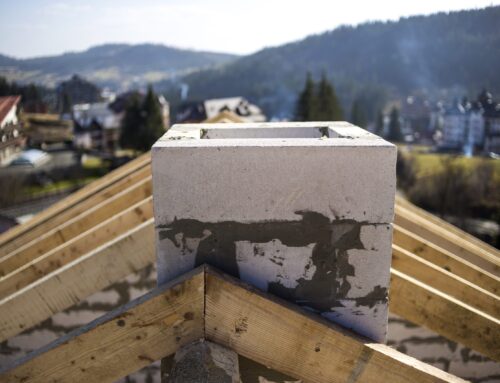
A chimney crown is the masonry top that covers the chimney structure around the flue. It is usually made of concrete or mortar. It should slope away from the flue and past the edge of the chimney, so water drips off instead of soaking in.
A good crown does four jobs.
- Sheds water so it does not sit on top of the chimney.
- Protects mortar joints near the top, which take the worst beating from weather.
- Seals the gap around the flue tile with a flexible joint, so water cannot run straight down the chase.
- Reduces freeze and thaw damage by keeping water from soaking into cracks.
If the crown is flat, thin, or cracked, it becomes a tiny swimming pool. That water seeps into the brick, then cold weather turns it into ice. Ice expands. Brick and mortar do not like that. They pop and crumble.
Learn more about Chimney Crown service options and when Chimney Repair may be needed.
Crown trouble signs you can often spot from the ground
You do not need to play mountain goat on your roof. Use binoculars from the yard.
- Hairline cracks that look like spiderwebs
- Pieces missing near the edge
- A crown that looks flat, with no slope
- Dark stains on the brick just under the top row
If you see these, the crown may be letting water in.
What a chimney cap does
A chimney cap sits over the flue opening. Many caps also include a spark screen and a rain hood. Some are single flue. Some cover multiple flues. Some attach to a clay flue tile. Others mount to a metal liner.
A good cap helps with:
- Rain and snow control so water does not pour straight into the flue
- Animal control so birds, squirrels, and raccoons do not move in rent free
- Spark control to help stop embers from landing on the roof
- Draft help in some cases, depending on cap shape and wind
If the cap is missing, bent, or rusted through, water can drop right into the chimney. That water can damage the damper, firebox, smoke shelf, liner, and even ceilings and walls.
If you are considering installation or replacement, see Chimney Cap options and how a Chimney Inspection can confirm the source of leaks.
Cap trouble signs you might notice without climbing
Some clues show up indoors.
- A “wet campfire” smell after rain
- Drips in the firebox
- Rust on the damper or metal parts
- Animal sounds, scratching, or nesting bits
- A sudden draft change on windy days
If you get these signs, the cap may be the weak link.
Why people mix them up, and why that causes leaks
Both parts live at the top of the chimney. Both deal with water. Both sound like “the thing on top.” So the names get swapped.
Here is the problem. If your crown is cracked, a new cap might help a little with rain that falls straight down. It will not stop water that lands on the crown, soaks in, then slides into cracks and joints.
If your cap is missing, patching crown cracks helps, but rain can still fall right into the flue like a basketball going through a hoop.
When the wrong part gets attention, the leak stays. Then you get a second problem, time. Water does not take weekends off.
A quick tour of how water gets in
Water is sneaky. It has more routes than a delivery driver at rush hour on I-25.
Common entry points include:
- Cracked or thin crown
- Missing or damaged cap
- Gaps at the flue crown joint
- Cracked flue tiles
- Worn mortar joints near the top
- Flashing gaps where chimney meets roof
- Porous brick that soaks up water like a sponge
This post stays focused on crown vs cap, but it helps to know the full map. If you want a pro to pinpoint entry points, a Chimney Inspection is a practical next step.
Colorado weather makes the crown and cap work harder
Colorado throws four seasons at your chimney, sometimes in one week.
- Freeze and thaw is the big one. Water enters small cracks, freezes, expands, and widens the crack.
- Snow loads and melt cycles keep the top of the chimney wet longer.
- Strong sun and dry air can dry materials fast, which sounds nice, but repeated wet to dry cycles stress mortar and sealants.
- Wind can push rain sideways. A cap helps, but wind driven rain can still hit the crown and brick.
If you live near the Front Range and you have had a few hail storms, you already know. Roof stuff takes hits. Chimney tops do too.
Real talk, a short chat you might recognize
Homeowner: “My chimney cap is cracked and leaking.”
Tech: “Do you mean the cap over the flue, or the crown, the concrete top?”
Homeowner: “The cap, the flat part.”
Tech: “That’s the crown. The cap is the metal cover.”
Homeowner: “So I bought the wrong thing online.”
Tech: “Happens all the time. Chimneys have too many hats.”
A little laugh helps, but fixing the right part is what saves the drywall.
What we usually see in Colorado
Around Colorado homes, especially on older brick chimneys and on newer builds with factory fireplaces, these patterns show up a lot:
- Crowns that are thin and cracked from years of freeze and thaw
- Missing caps after wind events, or caps that rusted out
- Gaps at the flue crown joint where old sealant dried and pulled away
- Water staining that shows up after spring snowmelt, not just heavy rain
In neighborhoods with mature trees, you may also see more animal activity at flues. A cap with a screen can stop that before it turns into a chirping soap opera in your living room. If you suspect activity, Animal Removal can help address it safely.
Chimney crown types and common weak spots
Not all crowns are built the same.
Mortar wash “crowns”
Some chimneys have a thin mortar layer on top. It is often too thin and cracks fast. When it fails, water goes right into the chimney.
Concrete crowns
A proper concrete crown is thicker, has slope, and extends past the chimney edge with a drip edge. This type lasts longer when done right.
Precast or custom formed tops
Some systems use formed tops that act like a crown. The key is still slope, thickness, and a good seal at the flue.
Weak spots to watch
- No slope, water sits
- No overhang or drip edge, water runs down the face
- Cracks that reach the flue joint
- Separation at the flue tile, especially if the flue moves a bit with heat
Chimney cap styles and what they solve
Caps come in several shapes. The goal is still the same, keep water and critters out, let smoke out.
Basic single flue cap
Good for a single clay tile flue. Covers rain entry and blocks animals.
Multi flue cap
Covers more than one flue. Often used on masonry chimneys with multiple appliances.
Top sealing damper cap
This mounts at the top and seals the flue when not in use. It can help reduce drafts and block rain. It is not the same as the crown.
Spark arrestor features
Many caps include mesh. Mesh size matters. Too tight can clog with soot faster. Too open may not stop embers well.
Common cap issues:
- Loose fasteners
- Rust holes
- Bent hood from wind or fallen branches
- Screen clogged with creosote, which can reduce draft
Safety note, if you suspect a blocked cap screen and smoke backs up, stop using the fireplace and get it checked. A Chimney Sweep and Chimney Inspection can help identify what is going on.
If you have leaks, use this simple troubleshooting list
Use these “If X, then Y” checks to aim your next step.
- If you see drips inside the firebox after rain, then check for a missing or damaged cap first.
- If the brick near the top looks darker after storms, then suspect crown cracks or failing mortar joints.
- If your damper is rusty or hard to open, then water may be coming down the flue, often a cap issue.
- If you see white powder on chimney brick, then moisture is moving through masonry, often tied to crown, mortar, or waterproofing.
- If ceiling stains show near the chimney but the firebox is dry, then flashing or crown runoff may be part of the story.
- If you hear animals, then a cap with a screen is the fast fix, after the animal is safely removed.
- If leaks happen mainly after snow melts, then crown cracks and porous brick may be soaking up water over time.
These checks do not replace an inspection, but they stop you from guessing blind. If you want help narrowing it down, start with Chimney Leaks or book a Chimney Inspection.
Quick myths and facts people get wrong
Myth: The cap keeps all water out of the chimney.
Fact: A cap blocks direct rain into the flue, but the crown and brick still take water.
Myth: Small crown cracks are no big deal.
Fact: Small cracks grow fast when water freezes inside them.
Myth: If the fireplace smells musty, you just need air freshener.
Fact: Musty odor after rain often points to moisture in the flue or firebox.
Myth: Any metal cover is fine.
Fact: Fit, fastening, and screen style matter for draft, safety, and animal control.
For general background on chimney components, you can also review https://en.wikipedia.org/wiki/Chimney.
How mixing up crown and cap leads to the same leak, again and again
Here is a common chain of events.
- 1. Crown cracks let water into the brick.
- 2. Water runs down, hits a smoke shelf or damper, and causes rust.
- 3. Homeowner sees rust and thinks, “Rain is getting down the flue, I need a cap.”
- 4. Cap goes on, rust slows a bit, but water still enters through crown cracks.
- 5. Next winter, cracks widen, brick starts spalling, and leaks show up in walls.
That is like putting a new hat on while your roof is missing shingles. You look better, but you still get wet.
Care schedule that keeps small problems small
You do not need a huge checklist. You need a steady rhythm.
Weekly during heavy use
- Look for odd smells, smoke roll out, or new stains.
- Listen for animal sounds near the chimney.
Monthly
- Check the firebox for damp spots after storms.
- If safe from the ground, look up at the cap area with binoculars.
Yearly
- Schedule a professional chimney inspection and cleaning as needed.
- Ask for crown condition notes, cap condition notes, and photo proof.
- After winter, do a quick exterior check for new cracks or missing parts.
If you burn wood often, yearly care matters more. If you rarely use the fireplace, water and animals can still cause trouble, so inspections still help. The CDC provides general safety information related to fireplaces and chimneys.
Simple ways to protect the crown and cap
Crown sealing and repair
Minor cracks can sometimes be sealed. Larger cracks or a failing thin crown may need rebuild work. The goal is a sloped, durable top with a good joint around the flue.
For service details, see Chimney Crown and Chimney Repair.
Cap install or replacement
A proper cap fits the flue and is secured well. It should handle wind, block animals, and shed rain.
If you want to review options, visit Chimney Cap.
Waterproofing the masonry
Waterproofing products made for masonry can reduce water absorption while still letting the chimney breathe. This helps the crown and brick work as a team.
Safety note, avoid store bought coatings that trap moisture. Trapped moisture can damage brick over time.
How to tell which part you have, even if you are not “roof handy”
Stand back and look up.
- The crown looks like a slab of cement or mortar, it covers the top of the brick.
- The cap looks like metal, it sits above the flue opening, often with a little roof shape.
If you see only clay tile sticking up, with nothing covering it, you may have no cap.
If you see a metal cap but the cement top is cracked, you may need crown work.
Why leaks show up inside the house in weird spots
Water does not always drip straight down. It can run along masonry paths, soak insulation, then show up as a stain far from the real entry point.
Common indoor clues:
- Brown ceiling spots near the chimney chase
- Peeling paint on walls near the fireplace
- Rust flakes in the firebox
- Damp smell that comes and goes with weather
If you only chase the stain, you are playing whack a mole.
Local notes for Colorado homes
If you live near Denver and you have driven along Wadsworth Boulevard after a spring storm, you know how fast weather flips. Those quick changes matter up on the roof too. Older homes with classic brick chimneys often show crown cracking first. Newer homes with prefab fireplace systems often show cap issues or chase top issues first, especially after high wind days.
Roof pitch and tree cover also matter. A chimney near tall pines can get extra moisture and more critter visits. A chimney on a high ridge line can see stronger wind, which tests cap fastening.
When to call a pro, and when you can just observe
You can observe safely from the ground. You can note smells and stains. You should not climb a steep roof or mess with a cap if you are unsure. Falls are not worth it.
Call a pro sooner if:
- You see active leaks inside.
- You suspect animals in the flue.
- You notice loose parts up top after wind.
- Your fireplace backdrafts or smokes into the room.
A good inspection usually includes photos of the crown, cap, flue tile, and flashing so you can see what is going on. To schedule, use Contact Us or start with a Chimney Inspection.
FAQs
What is the difference between a chimney crown and a chimney cap?
The crown is the sloped concrete or mortar top that sheds water off the chimney. The cap is the metal cover over the flue that blocks rain, animals, and sparks while letting smoke out.
Do I need both a crown and a cap?
Yes. They solve different problems. The crown protects the masonry top surface. The cap protects the flue opening.
Can a chimney cap stop a chimney leak?
It can stop water that falls directly into the flue. It will not fix leaks caused by crown cracks, worn mortar, or flashing issues.
What causes chimney crown cracks?
Freeze and thaw cycles, thin mortar tops, poor slope, and age are common causes. Water gets in, freezes, and spreads the cracks.
How do I know if my chimney cap is missing?
From the ground, you may see an open clay flue tile with nothing covering it. Indoors, you might notice drips in the firebox, animal noise, or a musty smell after rain.
Is it safe to use my fireplace if water is getting in?
If you see dripping, heavy rust, smoke problems, or a blocked screen, stop using it and have it checked. Water can damage liners and dampers, and blockages can cause smoke backup.
How often should a chimney be inspected in Colorado?
Many homeowners schedule an inspection about once a year, often before the burning season. If you have leaks or you just had a big wind or hail event, get it checked sooner.
Does waterproofing brick trap moisture?
Some coatings can trap moisture if they are not made for chimneys. A chimney needs to release water vapor. Use products and methods meant for masonry chimneys.
Need help sorting out a chimney crown vs chimney cap problem at your Colorado home? AR Chimney Pros can inspect the top, pinpoint where water gets in, and handle crown repair, cap install, leak fixes, and chimney waterproofing so you stop chasing stains after every storm. Call (720) 608-7668 or visit https://archimneypros.com to schedule service.






Leave A Comment