
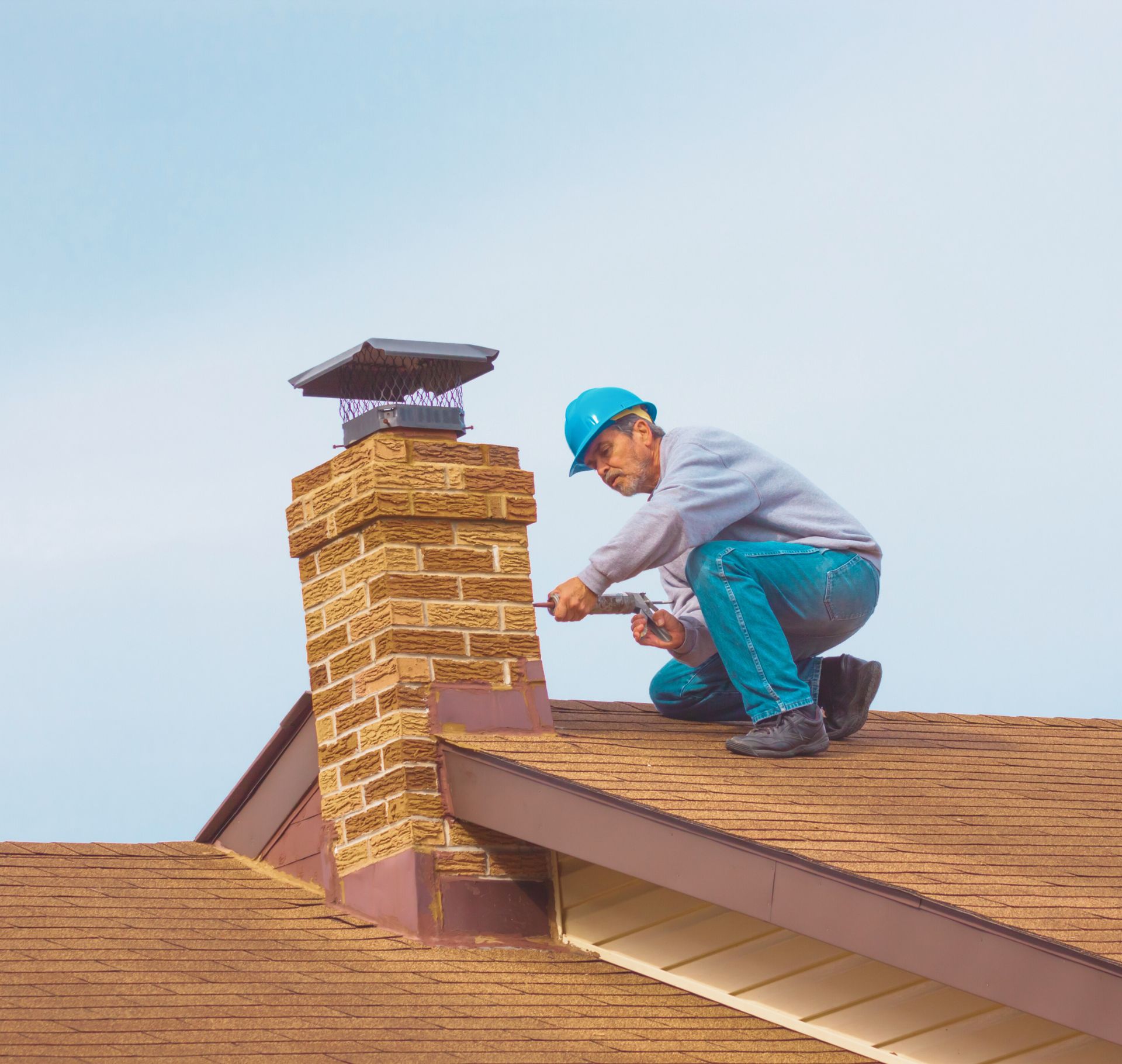
4 Techniques for Repairing Chimney Brickwork: Colorado Homeowner’s Guide
Chimneys are like the quiet workhorses of our homes. They stand tall through blizzards, rain, heat, and even family holidays when extra wood ends up in the fireplace. But even workhorses can experience wear, and that’s where chimney brickwork repair comes into play. If your chimney is starting to resemble a crumbling castle rather than a sturdy spire, don’t worry—you’re not alone. Many homeowners in Colorado have faced similar challenges.
We’ve seen chimneys that look like they’ve survived a stampede of mountain goats. We enjoy sharing our expertise, so grab a cup of coffee and read on for easy-to-follow, expert-backed chimney brickwork repair techniques. By the end, you’ll know what steps to take and when it’s best to call in a professional.
Why Does Chimney Brickwork Break Down?
Anyone who’s watched the weather change quickly in Colorado knows the conditions aren’t gentle. Between snow, rain, hail, relentless sun, and freeze-thaw cycles, even the toughest bricks can show signs of wear.
- Moisture: Bricks and mortar can absorb water. When that moisture freezes and thaws, it can cause cracks and holes.
- Heat: Fires warm your toes, but the heat can stress the chimney, leading to shifting or broken joints.
- Age: Over time, brickwork naturally degrades.
- Critters: Squirrels and birds may nest in loose mortar and cracks.
If your bricks look faded, or you’re finding debris and chunks around your chimney, it’s time for a closer inspection.
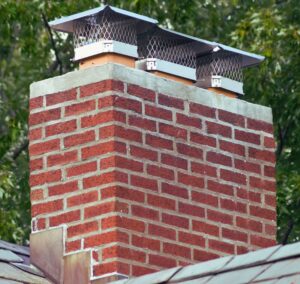
Spotting The Problem: Signs Your Chimney Needs Repair
Chimneys don’t always make their damage obvious, but they leave plenty of hints. Watch for:
- Bricks that flake apart or crumble
- Gaps in mortar – missing mortar between joints
- Leaning or tilting chimneys
- White powder (efflorescence) on bricks
- Dampness or water stains inside or outside near the chimney
- Rust on the damper or around the fireplace
Heed these signs early—small cracks can turn into bigger issues if ignored.
Gathering the Tools
Before starting any chimney work, gather your materials:
- Mortar mix (match it to the original for best results)
- Replacement bricks (if needed)
- Trowel for spreading mortar
- Chisel and hammer for removal
- Wire brush for cleaning debris
- Bucket for mixing
- Safety gear: gloves, safety glasses, and a reliable ladder
If you’re not comfortable working at heights, consider professional assistance.
4 Basic Techniques For Chimney Brickwork Repair
1. Tuckpointing: Patching Up the Gaps
Tuckpointing is the process of renewing the mortar joints between bricks. It seals out moisture and restores structural integrity.
- 1. Clean Out Old Mortar: Use the chisel and hammer to remove damaged or loose mortar, about an inch deep.
- 2. Brush Away Debris: Use your wire brush to clear out dust and particles.
- 3. Mix New Mortar: Prepare mortar according to instructions; it should have a peanut butter consistency.
- 4. Fill the Joints: Use your trowel to press in fresh mortar. Pack it tightly.
- 5. Smooth It Out: Shape the mortar to blend with existing joints using a jointing tool.
- 6. Let It Cure: Allow mortar to set completely before using your fireplace.
2. Replacing Damaged Bricks
If you find cracked or protruding bricks, replacement is necessary:
- 1. Remove the Damaged Brick: Carefully chip away mortar around the brick and remove it.
- 2. Clean the Pocket: Remove old mortar and clean out debris.
- 3. Lay New Mortar: Apply mortar inside the space and on the new brick’s sides.
- 4. Insert the Brick: Position the new brick to match the others.
- 5. Fill the Joints: Pack gaps with mortar and smooth them out to blend.
- 6. Let It Set: Wait several days before using the chimney.
3. Waterproofing: Guarding Against Colorado’s Wild Weather
Waterproofing, also known as chimney sealant, adds significant protection for your chimney brickwork.
- Choose a siloxane-based brick water repellent (not a non-breathable sealer).
- Apply during dry weather with a pump sprayer or brush—cover all exposed brickwork.
- Let it penetrate and, if necessary, apply a second coat.
Waterproofing is preventative and should be done on sound masonry.
4. Crown Repair: Don’t Neglect the Chimney’s Cap
The chimney crown is the sloped concrete top that sheds water. If it’s cracked or damaged, quick repairs will help prevent more serious issues.
- Remove debris or moss from the crown.
- Seal small cracks with crown patching material (available at most hardware stores).
- For major damage, recasting the crown or contacting a professional may be necessary.
DIY or Call the Pros?
Not every chimney issue is suitable for a do-it-yourself project. If your chimney is tall, unusually shaped, or displays significant structural cracks, it’s wise to leave the repairs to professionals. For large repairs, leaning stacks, or peace of mind, AR Chimney Pros brings expertise, safety, and reliable repairs.
Why Timely Chimney Repairs Matter
Small issues can quickly escalate if left unaddressed. Prompt repairs are essential to prevent:
- Expensive rebuilds
- Structural issues
- Animal intrusion
- Water damage to your home
Tackling minor repairs now protects your home and saves you money long-term.
Ready for Trouble-Free Fires? AR Chimney Pros Has Your Back
Chimney repairs can seem daunting, but you don’t have to tackle them alone. AR Chimney Pros understands Colorado masonry and is always ready for any chimney challenge. Our experience covers every variety of brickwork issue.
Why choose AR Chimney Pros?
- We fix brickwork properly the first time
- Our repairs enhance home safety and fireplace performance
- We offer honest assessments and fair pricing
Don’t deal with loose bricks or leaks. Call us at 720-608-7668 or visit archimneypros.com. We’ll help your chimney stay strong, no matter how wild Colorado’s weather gets. Your home, your fireplace, our job. Let’s keep you cozy, safe, and ready for your next fire, without any worries about the brickwork overhead.








Leave A Comment